The "Infinite" energy of the 90s (and why it still hits)
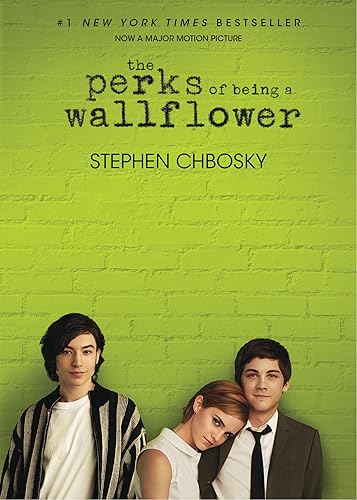
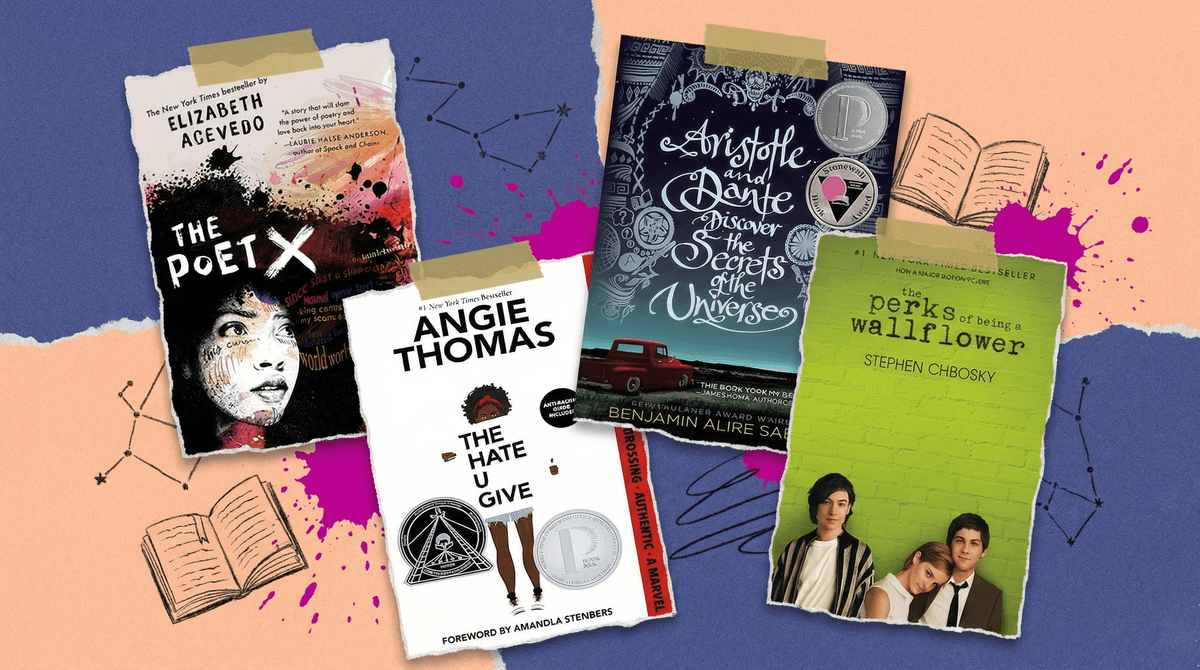
Even though this book was written decades ago, it remains the ultimate blueprint for the "emotional damage" subgenre of young adult fiction. It’s the book that taught a generation of kids that being observant—a wallflower—is a valid way to exist. If your teen is currently obsessed with books for John Green fans, they are essentially reading the descendants of this novel.
The story is told through letters Charlie writes to a nameless "friend." This format is the book’s greatest strength because it feels like you’re reading a private diary you shouldn't have found. It makes the heavy stuff—the "Rocky Horror" shadow casts, the awkward first dates, and the internal spirals—feel intensely personal. It’s not just a story about high school; it’s a story about the specific, vibrating loneliness of being fifteen.
Why it stays on the banned list
You’ve likely seen this title pop up in news cycles about banned books and school library controversies. It isn't being challenged because it's poorly written; it's being challenged because it doesn't blink. Charlie’s world includes a casual proximity to drugs, a frank depiction of a high school abortion, and a slow-burn revelation about repressed sexual abuse.
For some parents, that’s an immediate "no." But for many teens, this is the first book that treats their real-world anxieties with respect rather than a lecture. It’s a core entry in the canon of coming-of-age books for teens because it captures that terrifying transition where you realize your parents and heroes are just flawed people.
The specific friction of Charlie’s voice
Charlie is an "unreliable narrator" in the most heartbreaking sense. He isn't lying to the reader; he just doesn't have the tools to understand his own trauma yet. This creates a specific kind of reading experience where the reader often understands what’s happening—like why Charlie is dissociating or why a certain family member’s behavior is "off"—long before Charlie does.
If your kid is used to fast-paced fantasy or plot-heavy thrillers, they might find the first fifty pages slow. There’s no "ticking clock" here. The momentum comes entirely from the characters. But once the friendship between Charlie, Sam, and Patrick clicks, the book shifts from a character study into something that feels like a warm, albeit very sad, hug.
How to handle the "aftermath"
This isn't a book a kid finishes and then immediately goes to do their math homework. It’s designed to linger. If you have a kid who tends to "absorb" the emotions of the media they consume, be ready for a few days of introspection. It’s the kind of read that turns into a philosophy session about who gets to be "cool" and how we decide who to love.
It’s a heavy lift, but for the right kid—the one who feels a little out of sync with their peers—it’s often the exact book they need to find at exactly the right time.