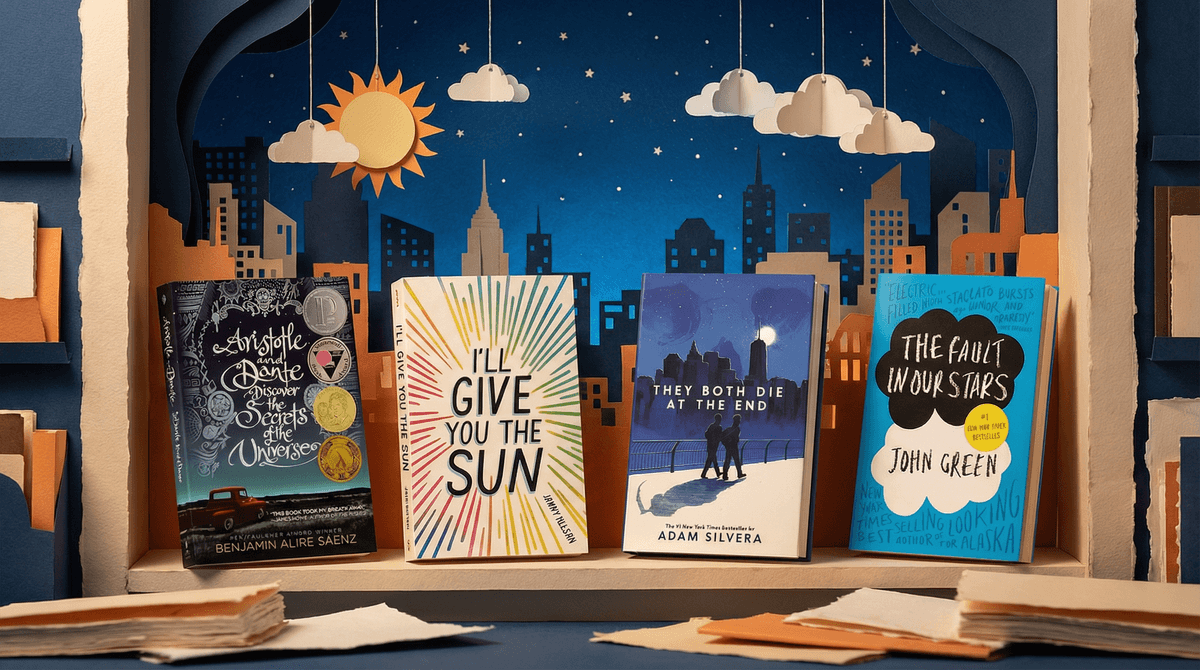
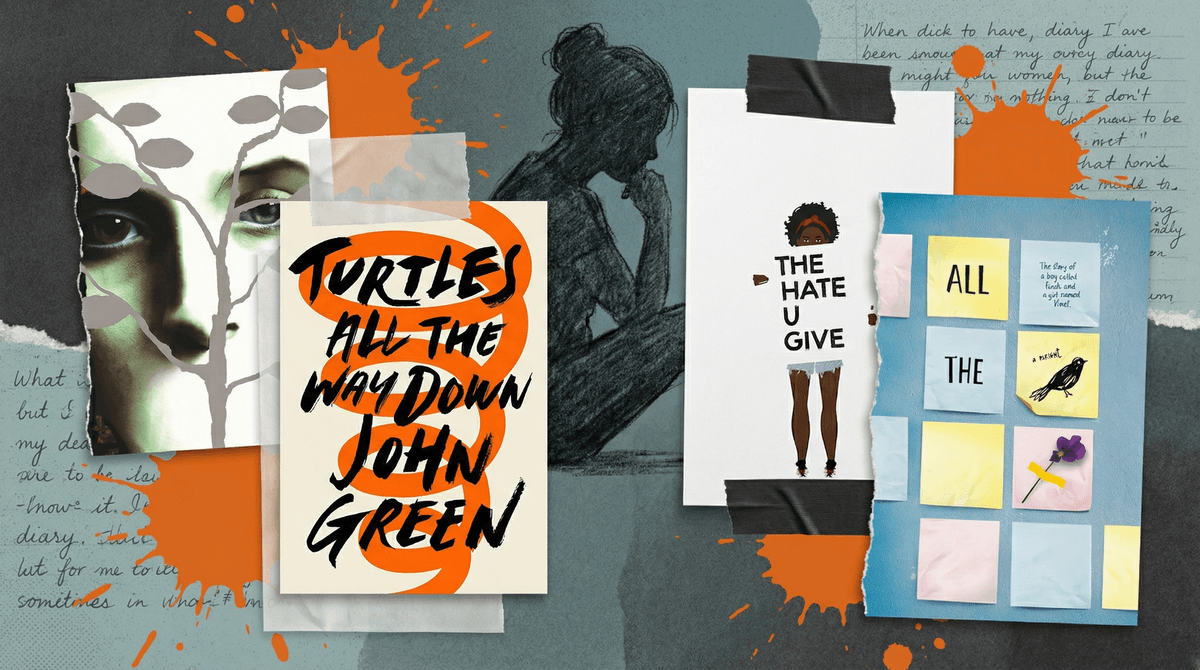
If your teen has spent any time on BookTok, they’ve seen this cover. It sits right next to The Fault in Our Stars in the "books that will absolutely wreck your life" starter pack. It’s a staple for a reason. Jennifer Niven captures that specific high school feeling where everything is either a life-changing epiphany or a total disaster, with very little middle ground. If your kid is already deep into books for John Green fans, this is the inevitable next step. It’s smarter than your average teen romance, but it’s also much heavier.
The "Sick-Lit" legacy
There was a massive wave of these "sad teen" books a few years back, and while many felt like cheap emotional manipulation, this one holds up because the characters feel like actual people instead of just walking symptoms. Finch isn't just "the depressed kid"; he’s a guy who names a stray cat and obsesses over obscure Indiana landmarks. Violet isn't just "the grieving sister"; she’s a writer who lost her voice.
The "wandering" project—their school assignment to find the "natural wonders" of Indiana—is the best part of the book. It gives the story a sense of movement and discovery that keeps it from feeling like a 400-page funeral. It’s a great example of realistic fiction for teens that uses a quirky hook to explore some seriously dark corners.
The friction you’ll actually face
Here is the thing no one tells you: the book is arguably more intense than the movie. Because it’s a dual narrative, you are stuck inside Finch’s head while he’s spiraling. You see the logic of his depression from the inside, which is why it’s so effective—and why it’s so polarizing.
Some critics and parents argue the book romanticizes the "suicidal artist" trope. I don’t think it does, but I see why people get nervous. The story starts on a bell tower with a "who is saving whom?" moment. That’s a heavy burden to put on a teen romance. If you have a kid who tends to take on the emotional weight of everyone around them, this book might hit a little too close to home. It’s a prime candidate for our guide on navigating mental health and BookTok trends because it requires a level of emotional distance that not every fourteen-year-old has yet.
Why it’s worth the heartbreak
We tend to want to shield teens from "sad" media, but for a lot of kids, these books are a release. There is a certain catharsis in reading something that acknowledges that life can be unfair and that sometimes love isn't enough to fix a chemical imbalance. It’s a "cold shower" kind of read.
If your teen is asking for this, they’re likely looking for a story that respects their intelligence and their capacity for big, messy feelings. It’s not a "safe" book, but it is a meaningful one. Just be ready for the aftermath. This isn't a book they’ll finish and then immediately go do their homework. They’re going to need an hour to stare at the ceiling and process the ending. If you’re looking for a way to bridge the gap between "just a story" and a real conversation about mental health, this is your opening. Use the "wandering" project as a prompt: if they had to find something "bright" in your own town during a rough week, where would they go?