

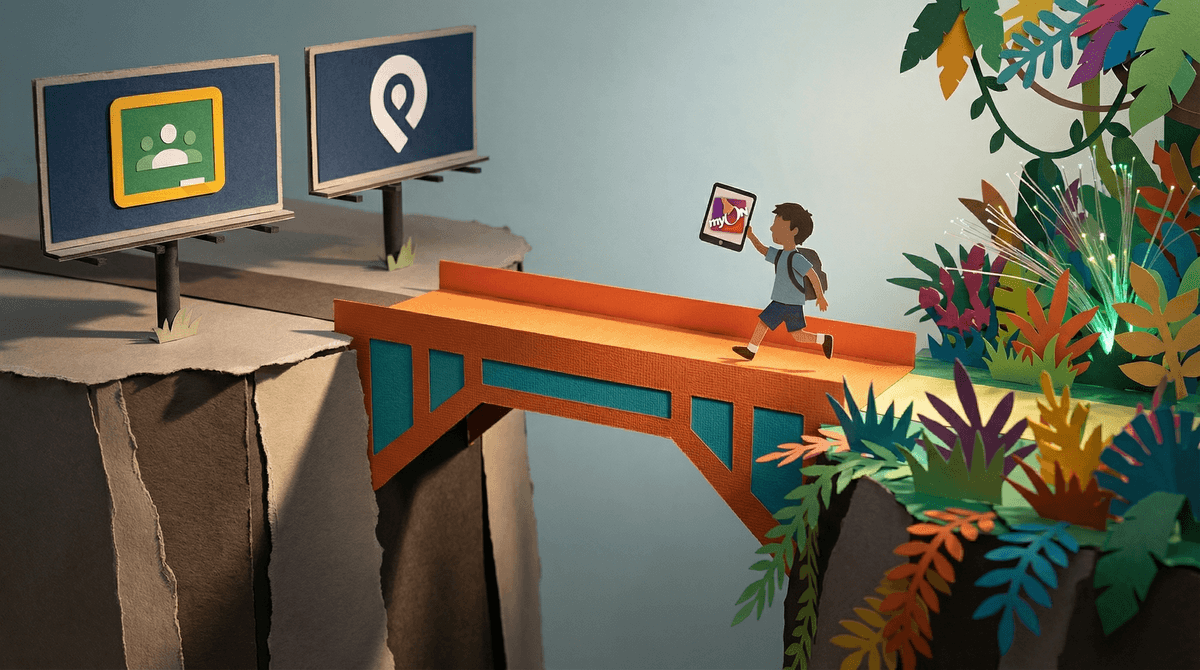
The digital divide isn't just about who has a laptop and who doesn't anymore. It's way more complex than that. It's about quality of access, digital literacy, home internet speeds, device sharing, and honestly—whether kids have a quiet space to actually use tech for learning.
In 2026, most families have some form of internet access, but there's a massive gap between a kid doing homework on their phone with spotty data versus a kid with a dedicated workspace, fiber internet, and a parent who can troubleshoot when Google Classroom inevitably breaks.
And here's the thing: this divide isn't just affecting kids' grades. It's shaping their future opportunities, their ability to learn coding or digital art, their access to online communities and mentorship, and even their understanding of how to navigate the internet safely.
The pandemic made this crystal clear—when school went remote, we saw exactly who had what. But even now, with kids back in classrooms, the digital divide is still playing out every single day.
Kids without reliable home internet are submitting assignments late or not at all. Kids sharing one family device with three siblings are getting less practice time with educational apps. Kids whose parents aren't digitally literate are missing out on help with online research projects or navigating new platforms.
And it's not just about school. The digital world is where kids are learning to create, building friend groups, discovering interests, and developing skills that'll matter in their future careers. When some kids are locked out of that world—or only getting a limited, phone-based version of it—we're creating a two-tier system.
Beyond the obvious hardware and connectivity issues, there are subtler divides that are just as important:
Digital literacy gaps: Some kids grow up in homes where parents are comfortable with technology, can teach them keyboard shortcuts, explain how algorithms work, or help them spot misinformation. Other kids are figuring it all out alone—or worse, learning from whatever YouTube rabbit hole they fall into.
Quality of devices: A 10-year-old Chromebook that takes five minutes to load a webpage is technically "access," but it's not the same as a device that actually works. Kids notice when their tech is slower, clunkier, or more limited than their classmates'.
Data caps and speed: Unlimited high-speed internet versus a mobile hotspot with a 10GB monthly limit? Completely different experiences. One kid can stream educational videos, join Zoom study groups, and download large files. The other is constantly rationing their usage.
Tech support at home: When something breaks or doesn't work, some kids have a parent who can troubleshoot. Others are stuck, falling behind on assignments because they literally can't figure out why the PDF won't open.
Okay, so what can we do about this? Because "the digital divide" can feel like this massive systemic problem that requires government intervention (which, yes, it does). But there are also real things families and communities can do right now.
Start With Honest Assessment
Figure out where your own family stands. Do your kids have:
- Reliable internet that actually works when they need it?
- Their own device, or are they sharing?
- A space to work without constant interruptions?
- An adult who can help when tech problems come up?
- Access to educational platforms their school uses?
If you're answering "no" to several of these, you're not alone—and there are resources that can help.
Tap Into Community Resources
Libraries are absolutely clutch for this. Most offer free internet access, device lending programs, and tech literacy classes. Some even have mobile hotspots you can check out like books.
School districts often have device lending programs or partnerships with internet providers for low-cost home internet. It's worth asking, even if they don't advertise it loudly.
Community centers, churches, and nonprofits sometimes offer free tech access or classes. Organizations like EveryoneOn and PCs for People specifically focus on closing the digital divide.
Advocate for Better Access
If you're in a position to advocate (at school board meetings, with local representatives, in your community), push for:
- Universal device programs where every student gets a working device to take home
- Subsidized internet programs that actually work (looking at you, programs with impossible eligibility requirements)
- Tech support that's accessible to families who don't speak English as a first language or aren't tech-savvy
- Digital literacy curriculum starting in elementary school
Build Informal Support Networks
This is where families can really make a difference for each other:
Share knowledge: If you're comfortable with tech, offer to help other parents in your community troubleshoot issues or understand new platforms their kids are using.
Device swaps: When you upgrade, consider passing working devices to families who need them (properly wiped and reset, obviously).
Internet sharing: In some neighborhoods, families have worked out arrangements to share WiFi access or costs. This requires trust and good boundaries, but it's happening.
Study groups with tech access: If your home has good internet and space, consider hosting study sessions where kids can work together on homework that requires connectivity.
Access to devices and internet is only half the battle. Kids also need to know how to use technology effectively and safely. This includes:
- Basic troubleshooting skills (have you tried turning it off and on again? Actually works.)
- Understanding how to evaluate online sources
- Knowing how to protect their privacy and spot scams
- Learning to create content, not just consume it
- Developing healthy habits around screen time and digital wellness
If you're able to teach these skills to your own kids, consider how you might share that knowledge more broadly—through volunteering, mentoring, or just being available to help when other families have questions.
The digital divide isn't going away on its own, and it's not just someone else's problem. Every kid who falls behind digitally is losing opportunities—and our communities are losing their potential contributions.
But here's what's hopeful: this is a problem we can actually make progress on. Through a combination of policy advocacy, community resources, and families helping families, we can ensure more kids have meaningful access to digital learning and opportunities.
Start by understanding where your own family stands, tap into available resources, and look for ways to help close the gap in your community. Because in 2026, digital access isn't a luxury—it's a basic requirement for participating fully in education and society.
- Check your local library for device lending programs and free internet access
- Ask your school district about device programs and subsidized internet options
- Look into EveryoneOn for low-cost internet and devices
- Consider volunteering to teach digital literacy skills in your community
- Talk to other parents about creating informal support networks for tech help
The digital divide is big, but it's not insurmountable. And every kid who gets better access is a win worth celebrating.