

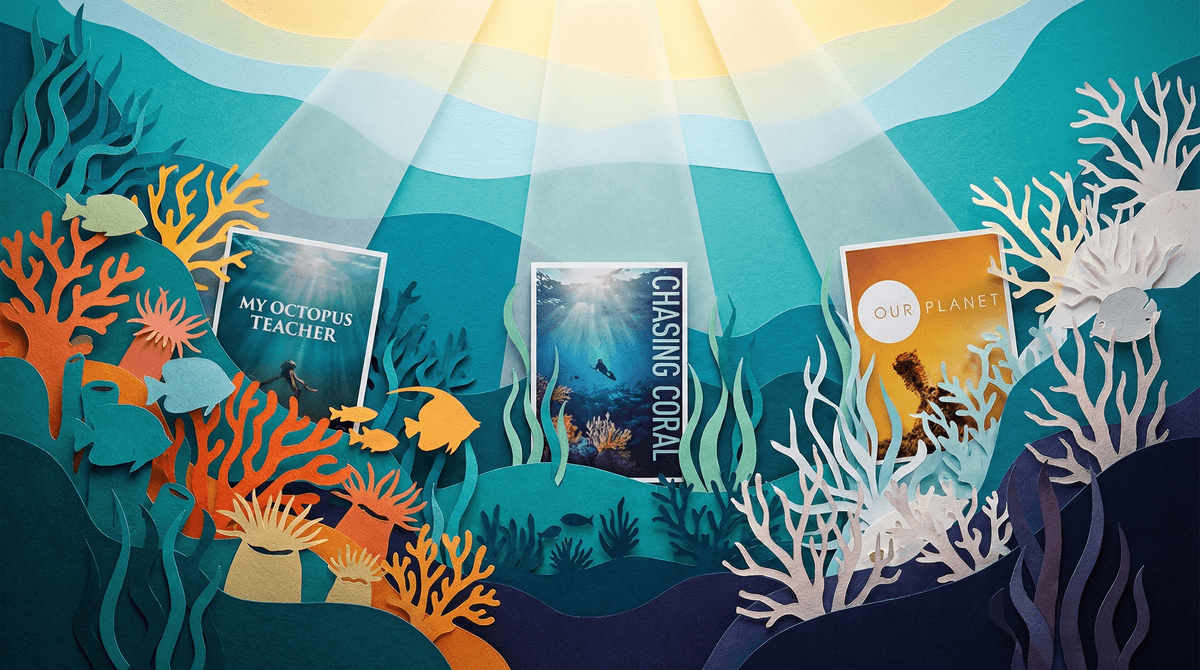
Chasing Coral is a 2017 Netflix documentary that follows a team of divers, photographers, and scientists as they document the devastating loss of coral reefs around the world. It's visually stunning—think Planet Earth but with a specific, urgent mission—and it captures something that's usually invisible: coral bleaching happening in real time.
The film uses time-lapse photography to show how vibrant, colorful coral reefs turn ghostly white and then die, all within weeks. It's beautiful and heartbreaking at the same time, which is exactly what makes it such a powerful conversation starter with kids.
Here's the thing: about 40% of families in our community use Netflix regularly, and another 40% have kids who use it. So chances are, you've got access to this documentary sitting right there in your queue, waiting to spark a conversation that actually matters.
Most climate change content for kids falls into two traps: it's either so dumbed down that it feels patronizing, or it's so doom-and-gloom that it leaves everyone feeling helpless. Chasing Coral walks a different path.
It's visually captivating. The underwater footage is genuinely gorgeous. Kids who wouldn't sit through a lecture about ocean acidification will absolutely watch this because it looks incredible.
It has real people with real emotions. The documentary follows Richard Vevers, a former ad executive turned underwater photographer, and his team. When they witness a massive bleaching event, you see grown adults cry. That emotional authenticity resonates with kids—they can tell when something actually matters to the people on screen.
It shows the problem AND the people trying to solve it. The film doesn't just document destruction; it shows scientists and activists working to understand and communicate what's happening. That's huge for kids, who need to see that caring about something can translate into action.
The science is accessible but not simplified. The film explains coral bleaching clearly—rising ocean temperatures stress the coral, causing them to expel their algae and turn white—without talking down to viewers.
Ages 8-11: This is probably the sweet spot. Kids this age are old enough to understand the concepts and emotionally process what they're seeing, but not so young that the sadness feels overwhelming. You'll want to watch together and pause for questions. The time-lapse sequences showing coral dying can be intense—not scary, but sad in a way that might need some processing.
Ages 12+: Absolutely. Middle schoolers and teens can handle the full emotional weight of the documentary and engage with the bigger questions it raises about human impact on the planet. This age group might also appreciate the filmmaking itself—the technical challenges of capturing these images.
Under 8: Probably skip it for now. The concepts are a bit abstract, and the emotional tone might be more confusing than educational for younger kids. Stick with something like Octonauts if you want ocean content for this age group.
Content considerations: There's no violence, no inappropriate language, nothing that would typically concern parents. The "intensity" comes purely from the subject matter—watching something beautiful die is sad, full stop. Some kids might have questions about death and loss in a broader sense.
Runtime: 89 minutes. That's a commitment, but it moves quickly enough that most kids who are interested won't get bored.
The emotional impact is real. Don't underestimate how much this might affect your kid. Some children will watch and move on; others will become mini-activists overnight. Both reactions are normal and healthy.
It's not preachy. The documentary presents the science and lets the images speak for themselves. There's no finger-wagging at viewers, which makes it easier to have open conversations afterward without kids feeling defensive or overwhelmed.
Before watching: Frame it as "we're going to watch something beautiful and important." Set expectations that parts might be sad, but that's okay—feeling sad about things that matter is part of being human.
During: Let them react naturally. If they want to pause and ask questions, great. If they want to sit in silence and process, that's fine too.
After: Ask open-ended questions:
- What surprised you the most?
- How did it make you feel?
- What do you think we can do?
Connect it to action. Kids need to feel like they can do something. That might mean learning more about climate change , choosing reef-safe sunscreen for your next beach trip, or writing to representatives about ocean protection. The action doesn't have to be huge—it just has to feel real.
Don't catastrophize. Yes, the situation is serious, but kids need hope more than they need despair. Talk about the scientists and activists in the film who are working on solutions. Talk about how awareness is the first step to change.
Chasing Coral is one of those rare documentaries that works on multiple levels: it's educational, it's beautiful, it's emotionally resonant, and it's age-appropriate for most school-age kids. In a media landscape full of mindless content, this is 89 minutes that will actually stick with your family.
Is it going to solve climate change? No. But it might be the thing that helps your kid understand why this stuff matters, and that's worth way more than another episode of whatever they're binge-watching this week.
- Watch it together. Seriously, don't just send your kid off to watch alone. The conversations that happen during and after are where the real value lives.
- Follow up with action. Whether that's exploring more environmental documentaries, finding local conservation projects, or just having ongoing conversations about how your family can make more sustainable choices.
- Check out related content. If your kids respond well to this, My Octopus Teacher and Our Planet are both excellent next steps for ocean and nature content that matters.