

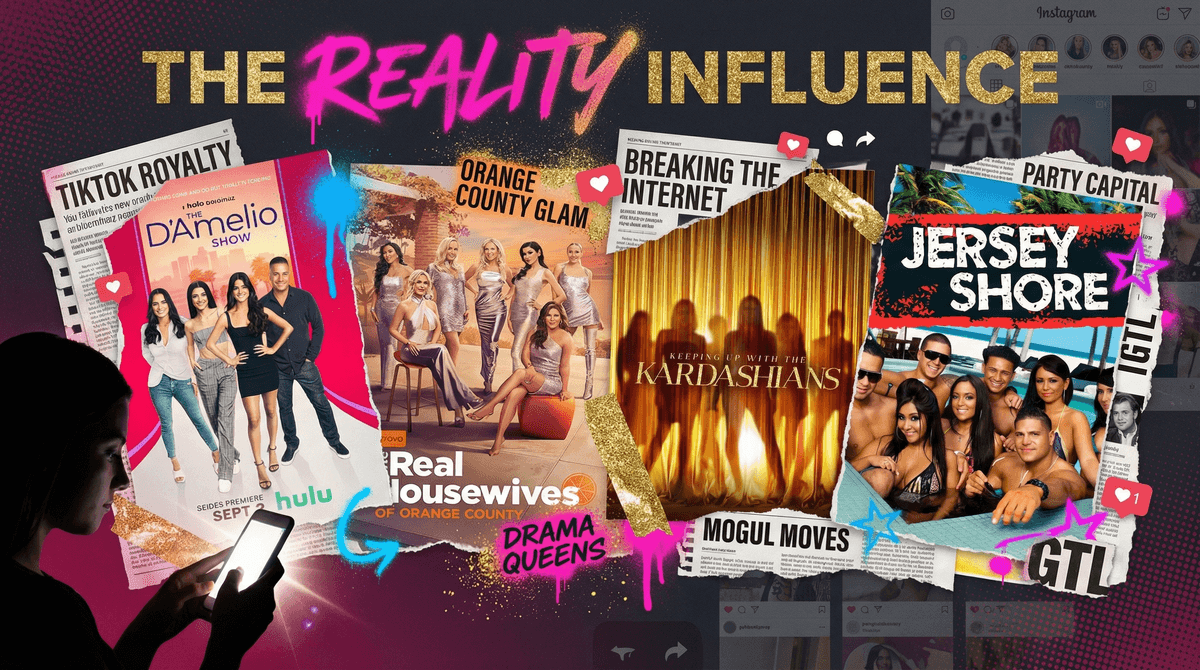
Look, we need to talk about the fact that a significant chunk of kids today are growing up watching the Kardashians navigate "real life" (heavy quotes on that one) alongside their Saturday morning cartoons. Celebrity reality TV—shows like Keeping Up with the Kardashians, The Real Housewives franchise, Jersey Shore, and newer entries like The D'Amelio Show—presents supposedly unscripted glimpses into famous people's lives.
The thing is, these shows have become background noise in many households. Kids are absorbing them during family TV time, catching clips on TikTok, or binging episodes when they're home sick. And unlike scripted shows where kids can more easily separate fantasy from reality, these programs present themselves as "real life"—just, you know, with better lighting, strategic editing, and production teams.
They're everywhere. That's the simple answer. These shows dominate streaming platforms, generate endless social media content, and the stars are often the same influencers kids already follow online. The Kardashians alone have spawned multiple spinoffs, beauty empires, and a cultural influence that's genuinely hard to escape.
The parasocial relationship is strong. When kids watch these families over multiple seasons, they feel like they know them. They've "been there" for pregnancies, breakups, business launches, and family drama. It creates an intimacy that makes the content feel more relatable than it actually is.
Drama is compelling. Let's be honest—conflict, gossip, and high-stakes emotions are engaging to watch. These shows are edited to maximize tension and keep viewers hooked. Kids are drawn to the same narrative techniques that work on adults, they just have fewer critical viewing skills to recognize the manipulation.
Here's where it gets complicated. These shows aren't neutral entertainment—they're teaching lessons, whether we want them to or not.
Wealth as baseline normal. When the "everyday problems" on screen involve which luxury car to buy or planning a $100K birthday party, it skews kids' perception of what normal life looks like. The casual wealth display—designer everything, private jets, spontaneous international trips—becomes the reference point for success and happiness.
Body image messaging. The amount of cosmetic procedures, filters, and body-focused content in these shows is staggering. And it's rarely discussed honestly. Kids see the results without understanding the work (surgical and otherwise) that went into them. Research shows that exposure to idealized body images, especially when presented as "natural" or achievable, directly impacts kids' body satisfaction and self-esteem.
Conflict resolution (or lack thereof). Many of these shows reward dramatic confrontation, public call-outs, and holding grudges. Genuine apologies are rare. Productive conflict resolution? Almost nonexistent. Instead, kids see that drama gets attention, that public feuds are entertaining, and that emotional manipulation is just part of relationships.
Fame as the ultimate goal. The meta-message of celebrity reality TV is that being famous is an end in itself. These families are often "famous for being famous," and the shows reinforce that visibility, followers, and attention are valuable currencies. For kids already marinating in influencer culture, this just amplifies the message.
Gender roles and relationship dynamics. A lot of these shows present pretty regressive relationship models—women defined by their romantic relationships, men as emotionally unavailable, constant jealousy and possessiveness framed as passion. The Kardashians have made some progress here, but the broader genre? Not great.
Under 10: Probably skip it. These shows aren't made for young kids, and the content—relationship drama, body focus, materialism—isn't developmentally appropriate. If it's on during family time and you can't avoid it, at least be ready to do some serious co-viewing and commentary.
Ages 10-13: Co-viewing is essential. If your middle schooler is watching, watch with them. Use it as a conversation starter about editing, wealth, relationships, and body image. Ask questions like "Do you think their life is really like this?" or "How do you think they make money?" Help them develop critical viewing skills.
Ages 14+: Critical media literacy. Teens can handle more complex content, but they still benefit from conversation. Talk about production choices, the business model behind these shows, and how "reality" is constructed. Discuss the difference between someone's public persona and their actual life.
The clips are everywhere. Even if you don't allow these shows at home, your kids are seeing clips on TikTok, YouTube, and Instagram. The most dramatic, most problematic moments get amplified and decontextualized on social media.
It's not just "harmless entertainment." The cumulative effect of these shows—the materialism, the body standards, the relationship dynamics—does shape values and expectations. That doesn't mean you need to ban them entirely, but it does mean being intentional about consumption and conversation.
Your kids are comparing themselves. When kids watch these families' lives, they're not just entertained—they're measuring their own families, bodies, and lives against what they see. That comparison is often unconscious but powerful.
The business model matters. These shows exist to sell products, build brands, and generate social media engagement. The stars are entrepreneurs first, reality TV participants second. Understanding that context helps kids see the content more clearly.
Watch an episode together. You don't need to become a superfan, but watching one episode gives you shared reference points for conversation. Ask your kid what they like about it, what seems realistic, what seems staged.
Talk about editing. Explain that these shows are shot over months and edited down to 45 minutes. Producers choose what to include, how to sequence events, and what music to add. "Reality" is constructed.
Discuss the money. Ask your kid how they think these families make money. Talk about sponsorships, product placement, and how being on the show itself is a business strategy. This helps demystify the lifestyle.
Address body image directly. If you notice your kid commenting on appearances, talk about cosmetic procedures, filters, and the teams of people (stylists, trainers, surgeons) involved in creating these looks. Make it clear that what they're seeing isn't natural or easily achievable.
Compare to your family values. Ask how the show's portrayal of relationships, conflict, and success compares to your family's values. This isn't about judging the TV families—it's about helping your kid articulate what matters to them.
Celebrity reality TV isn't going anywhere, and trying to completely shield kids from it is probably futile. The better approach is helping them become critical viewers who can enjoy the entertainment while recognizing the construction, the business model, and the values being promoted.
These shows can actually be useful tools for media literacy conversations—they're so obviously produced and edited that they're great examples of how "reality" gets shaped for television. Use them as teaching moments rather than forbidden fruit.
That said, if you find that watching these shows is negatively impacting your kid's body image, materialism, or relationship expectations, it's completely reasonable to limit or eliminate them. Not every conversation needs to be a teachable moment. Sometimes the answer is just "this isn't great for our family right now."
Set some boundaries. Decide what works for your family—maybe it's co-viewing only, maybe it's limiting to certain shows or certain ages, maybe it's a hard pass entirely.
Check in regularly. Ask your kid what they're watching and what they think about it. Keep the conversation open and judgment-free so they'll actually tell you.
Offer alternatives. If your kid is drawn to the behind-the-scenes family dynamics, there are better options. The Repair Shop offers heartwarming real stories, Queer Eye has genuine emotional depth, or check out our guide to family-friendly reality shows for more ideas.
Build media literacy skills. This applies beyond reality TV—help your kids understand how all media is constructed, who benefits from it, and how to consume it thoughtfully. Learn more about teaching media literacy at different ages.