

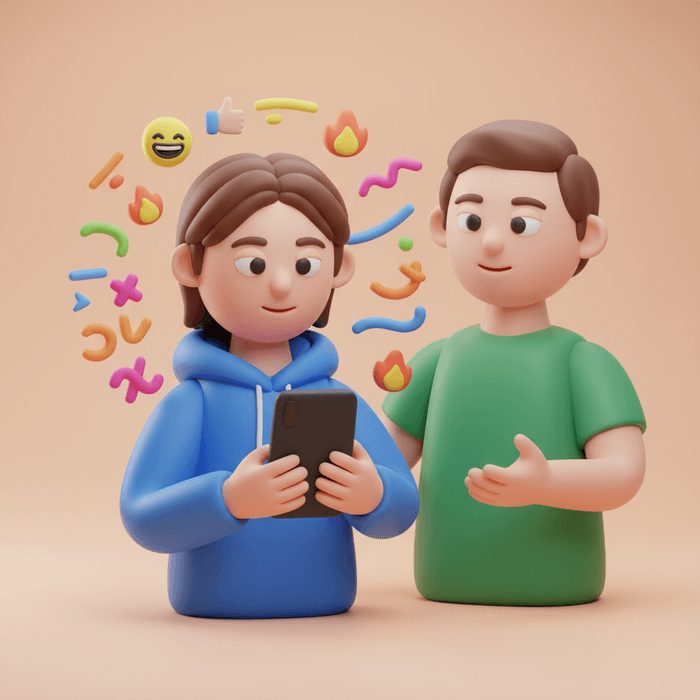
TL;DR: "Brainrot" is the self-deprecating term Gen Alpha uses for the hyper-stimulating, absurd, and often nonsensical content they consume on YouTube and TikTok. While the vocabulary sounds like gibberish, it’s mostly a new form of "inside joke" culture. If you want to swap the "rot" for something higher quality, check out Mark Rober, Kurzgesagt, or Storyline Online.
If you’ve recently heard your ten-year-old shout "Skibidi!" before "taxing" a chicken nugget off your plate, you aren’t losing your mind, and they aren't having a medical emergency. You’ve just entered the world of Brainrot.
As parents, we’ve survived the Era of the Floss and the Reign of Fidget Spinners, but this current wave of Gen Alpha culture feels different. It’s faster, weirder, and intentionally nonsensical. The term "brainrot" itself is actually used by the kids themselves to describe content that is so high-energy and low-substance that it feels like it’s melting your brain.
But here’s the thing: while it looks like chaos, there is a logic to it. Let’s break down what’s actually happening in your kid’s feed, which apps are the main culprits, and how to steer them toward content that actually feeds their brain instead of just "rotting" it.
At its core, brainrot refers to a specific aesthetic of internet content. Think of it as the "junk food" of the digital world. It’s usually characterized by:
- Hyper-stimulation: Fast cuts, loud noises, and multiple things happening on screen at once (like a Minecraft parkour video playing underneath a clip of a cartoon).
- Absurdism: Jokes that make zero sense to anyone over the age of 15.
- Repetitive Slang: Words like rizz, gyatt, sigma, and fanum tax used in every other sentence.
It’s mostly found on YouTube Shorts and TikTok, where the algorithm is designed to keep kids scrolling by hitting their dopamine receptors every six seconds.

To understand the culture, you have to know the players. Some of these are creative but weird, while others are—to put it bluntly—just loud, low-effort noise.
This is the "Citizen Kane" of brainrot. Created by animator Alexey Gerasimov on his channel, DaFuq!?Boom!, it started as a weird clip of a head popping out of a toilet singing a mashup song. It has since evolved into a massive, wordless war saga between "Toilets" and "Camera Heads."
- The Verdict: It’s bizarre and violent in a cartoonish way, but it’s actually a feat of independent animation. It’s not "educational," but it’s also not the end of the world. Just be prepared for your bathroom to become a stage for reenactments.
If Skibidi Toilet is the creative side of brainrot, LankyBox is the commercial side. These guys are the kings of high-energy, high-pitched reaction videos. They scream, they use bright thumbnails, and they churn out content at a dizzying rate.
- The Verdict: Honestly? This is the "junk food" parents find most annoying. It’s loud, it’s repetitive, and it’s designed to exploit the YouTube algorithm. It’s not "evil," but it has the nutritional value of a bag of sugar.
While Roblox is a platform for millions of games, it’s also the birthplace of many brainrot memes. Kids use the "dress up" features to look like "Sigmas" or "Skibidi Toilets" and roleplay these viral trends.
- The Verdict: Roblox can be great for creativity, but it’s also where kids are most likely to be exposed to the latest "brainrot" slang.
Learn how to set up Roblox parental controls to limit exposure
If you want to impress (or more likely, embarrass) your kid at the dinner table, here is a quick translation guide:
- Fanum Tax: Stealing a bit of someone’s food. (Named after streamer Fanum who "taxes" his friends' meals).
- Ohio: Used to describe something weird or "cringe." (e.g., "That’s so Ohio.")
- Rizz: Short for "charisma." Your ability to flirt or be charming.
- Sigma: Originally meant a "lone wolf," but now just means someone who is cool, stoic, or "alpha."
- Mewing: A "tongue exercise" meant to define your jawline, but mostly used as a joke where kids point to their jaw and put a finger to their lips to say "I can't talk, I'm being too cool/handsome right now."
It’s easy to dismiss this stuff as "trash," but for kids, it’s about community. These words and characters act as a secret language. When they say "Fanum Tax" and their friend laughs, they feel like they belong to the same "in-group."
It’s also about the speed of the internet. Gen Alpha is the first generation to have high-speed, algorithm-driven video in their pockets from birth. Their "funny" is just faster and more layered than ours was. We had SpongeBob and Animaniacs; they have a toilet head fighting a man with a television for a face.
If you feel like your child's attention span is shrinking to the size of a TikTok clip, it might be time to introduce some "Whole Food" content. These are creators and platforms that use the same high-energy editing style but actually teach something or tell a meaningful story.
The gold standard. He’s a former NASA engineer who builds crazy contraptions (like glitter bombs for package thieves). It’s fast-paced and exciting, but it’s rooted in physics and engineering. It’s the perfect "gateway drug" away from brainrot.
Beautifully animated videos that explain complex topics like black holes, evolution, or medicine. It’s visually stunning and incredibly educational without being boring.
If you want to pull them away from the screen entirely, this book (and the movie) is a masterpiece. It deals with technology, nature, and belonging in a way that resonates deeply with this generation.
For car rides where you want to kill the "brainrot" talk, this podcast is fantastic. It’s science for kids, but it’s funny and engaging enough that you won't want to drive into a ditch while listening.
Check out our guide to the best educational YouTube channels
The real danger of "brainrot" isn't the slang; it's the algorithm.
- The Rabbit Hole: A kid starts watching a "funny" Skibidi Toilet video, and within three clicks, the algorithm might serve them something much darker, more violent, or inappropriate.
- The Sensory Overload: Constant exposure to 15-second clips can make it harder for kids to focus on "slow" tasks, like reading a book or sitting through a math lesson.
- The Commercialism: Many "brainrot" creators are essentially walking advertisements for toys, Robux, or questionable merchandise.
Don't be the parent who bans the word "Skibidi." You’ll just become "low rizz" (sorry, I had to). Instead, try this:
- Ask for a "Deep Dive": "Hey, I keep seeing these toilet videos. What’s the actual story? Who are the camera guys?" Usually, kids love explaining things they are experts in.
- Set "Dopamine Boundaries": Allow the "rot" for a set amount of time, but balance it with "slow" media. "You can watch 20 minutes of YouTube Shorts, but then we’re doing 20 minutes of Minecraft (which requires more sustained focus) or reading."
- Call out the "Why": Talk about how these videos are made to keep them watching. "Do you notice how that video ended right when the next one started? That’s because they don’t want you to put the phone down."
"Brainrot" is a silly name for a very real shift in how kids consume media. It’s loud, it’s weird, and it’s often annoying. But it’s also just the latest version of kids being kids in a digital world.
The goal isn't to eliminate it entirely—that's a losing battle. The goal is to be the "intentional parent" who provides context, sets boundaries, and ensures that for every "Skibidi" they watch, they’re also getting a little Mark Rober or National Geographic Kids in their diet.
Take the Screenwise Survey to see how your family's digital habits compare to your community
- Audit their feed: Sit with them for 10 minutes while they scroll YouTube. What is the algorithm actually showing them?
- Introduce one "High-Quality" creator: See if they like MrBeast (who is a middle ground) or Mark Rober.
- Learn one slang word: Use it incorrectly on purpose. It’s the fastest way to make a trend "uncool" and reclaim your household.