

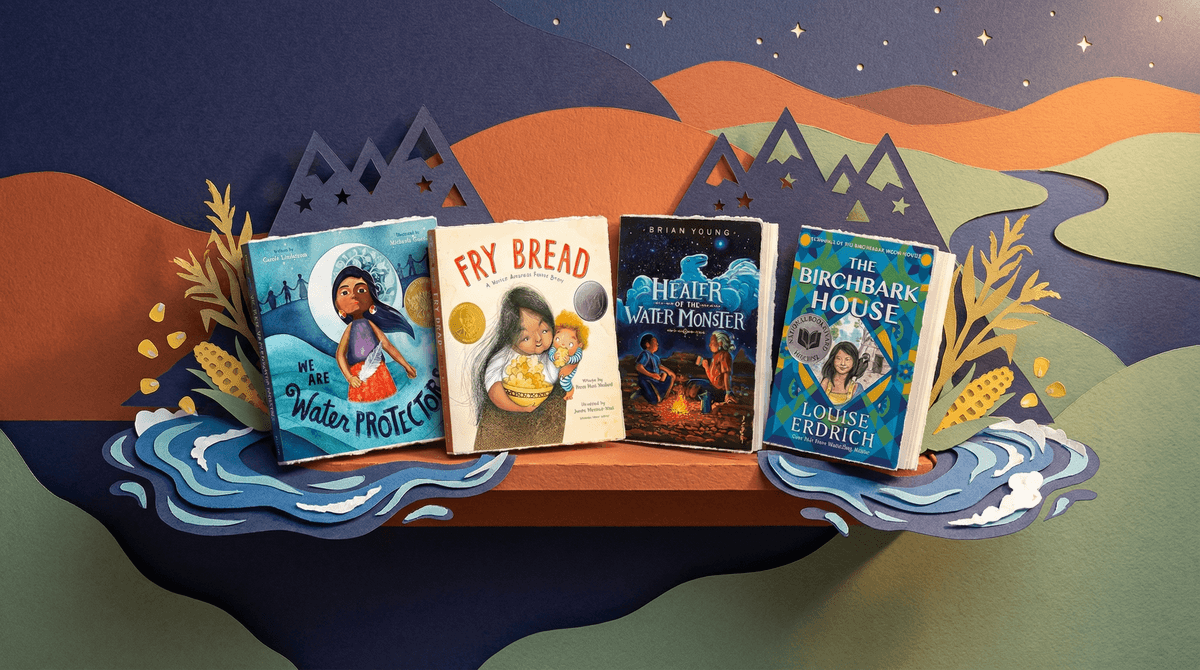
We're talking about books that feature Indigenous characters, stories, and perspectives — but here's the thing: not all books with Native American characters are created equal. There's a huge difference between authentic stories written by Indigenous authors that honor Native cultures and experiences, versus outdated, stereotypical portrayals written by non-Native authors who got everything wrong.
The good news? There's an incredible wealth of beautiful, authentic Indigenous literature out there for kids of all ages. The challenge? Navigating past the problematic stuff that's still sitting on library shelves and showing up in search results.
Let's be real: representation in children's books matters. Like, really matters. Kids need to see themselves in stories, and they also need to see people who are different from them portrayed authentically and with dignity.
For Indigenous kids, seeing their cultures, languages, and experiences reflected accurately in books is huge. For non-Native kids, reading authentic Indigenous stories helps counter the stereotypes and misconceptions that are everywhere in American culture — from sports mascots to Thanksgiving pageants to old Westerns.
Here's what makes this tricky: a lot of the "classic" books about Native Americans are... not great. Many were written by non-Native authors who perpetuated harmful stereotypes, portrayed Indigenous people as historical relics rather than contemporary humans, or just got basic cultural facts completely wrong. Some are straight-up offensive.
Green Flags:
- Written by Indigenous authors — This is the gold standard. Look for author bios that mention tribal affiliation
- Published by Native-owned publishers like Heartdrum (HarperCollins' Native-focused imprint) or Seventh Generation Books
- Contemporary stories that show Native kids in modern settings, not just historical or "traditional" contexts
- Specific tribal representation — Stories that name and honor specific Nations rather than treating all Indigenous people as one monolithic group
- #OwnVoices recommendations from Native educators, librarians, and organizations
Red Flags:
- Books written by non-Native authors about Native experiences (with rare exceptions where Native consultants were deeply involved)
- Stories that only show Native people in the past or in stereotypical roles
- Books with "Indian" in the title (unless it's reclaimed by a Native author)
- Illustrations that show generic "Native" aesthetics rather than specific tribal traditions
- Stories where the Native character exists mainly to teach white characters a lesson
Picture Books (Ages 3-7)
We Are Water Protectors by Carole Lindstrom (Anishinaabe/Métis) is stunning — both visually and in its message about environmental activism. It won the Caldecott Medal for a reason.
Fry Bread: A Native American Family Story by Kevin Noble Maillard (Muskogee Creek/Seminole) is a gorgeous celebration of food, family, and identity.
Early Readers (Ages 6-9)
The Birchbark House series by Louise Erdrich (Ojibwe) is often described as "Little House on the Prairie, but from the Indigenous perspective" — and it's so much richer and more nuanced than that description suggests. Start with The Birchbark House.
Middle Grade (Ages 8-12)
Indian No More by Charlene Willing McManis and Traci Sorell explores what happens when Regina's family is forced to relocate from their Umpqua tribal community. It's about identity, belonging, and what "home" means.
Healer of the Water Monster by Brian Young (Navajo) is a fantastic adventure story rooted in Navajo tradition — think Percy Jackson vibes but with Diné culture and mythology.
Young Adult (Ages 12+)
The Marrow Thieves by Cherie Dimaline (Métis) is a dystopian thriller that's both gripping and deeply meaningful. It's dark but important.
Firekeeper's Daughter by Angeline Boulley (Ojibwe) is a thriller about an 18-year-old who becomes an FBI informant in her tribal community. It's intense, well-researched, and impossible to put down.
Start with Indigenous voices. Organizations like American Indians in Children's Literature (AICL) and We Need Diverse Books maintain excellent lists of recommended titles. Follow Native educators and authors on social media for real-time recommendations.
Be prepared to retire some old favorites. That book you loved as a kid? It might not hold up. Little House on the Prairie has some deeply problematic content about Indigenous people. Island of the Blue Dolphins was written by a non-Native author and has accuracy issues. It's okay to acknowledge that times change and we know better now.
Look beyond the Thanksgiving shelf. Native stories shouldn't only come out in November. Indigenous people are contemporary, diverse, and living full lives right now — not just in historical contexts.
Support Native authors directly. Buy books from Native-owned bookstores when possible, or request that your library order more books by Indigenous authors.
Building a reading list with authentic Native American characters isn't about checking a diversity box — it's about giving kids access to incredible stories, countering harmful stereotypes, and honoring the fact that Indigenous people are the original storytellers of this land.
The key is centering Indigenous voices. When you're choosing books, ask: Who wrote this? Who illustrated it? Who benefits from this story being told? Is this culture being portrayed by insiders or outsiders?
There's no shortage of amazing Indigenous authors creating brilliant work for kids right now. The challenge is just making sure we're seeking them out and elevating their voices above the outdated, problematic stuff that still dominates library shelves.
Ready to build your family's reading list? Start by exploring books with diverse characters to see how authentic Indigenous stories fit into a broader approach to inclusive reading.
Want recommendations based on your child's age and interests? Check out our guide to age-appropriate books for kids or Get book recommendations .
.