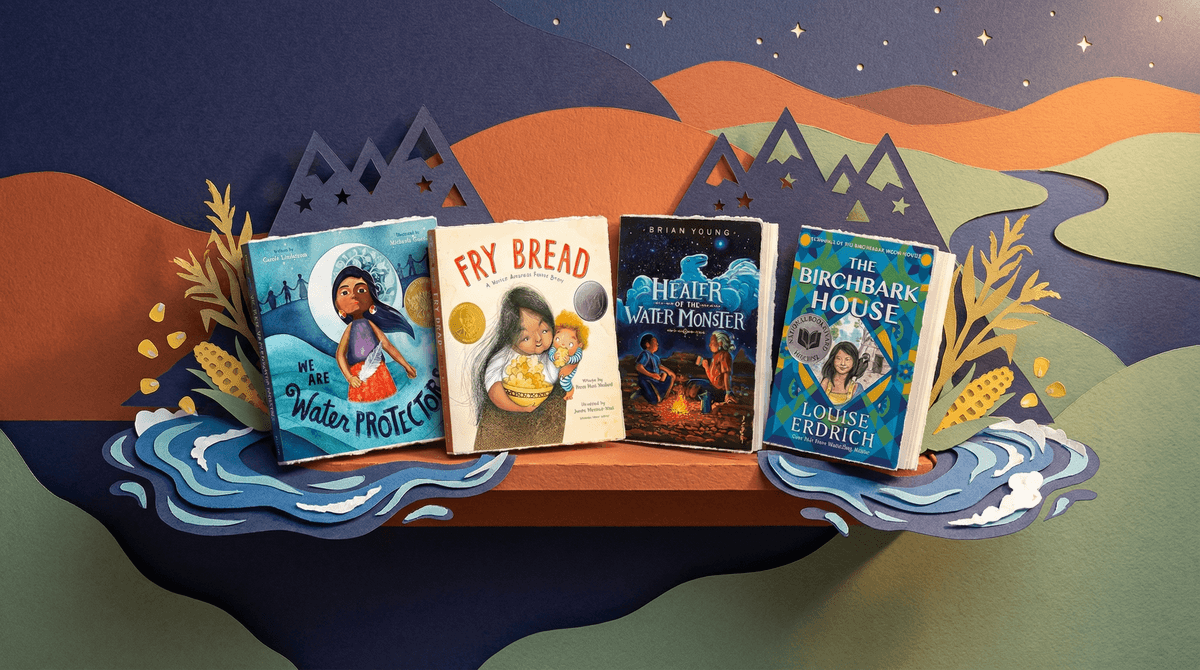
The "Anti-Chosen One" adventure
If your kid has burned through the Percy Jackson series or the Aru Shah books, they’re probably used to the "Chosen One" trope—the idea that you’re only a hero if a prophecy says so or a god is your dad. Brian Young takes a much more interesting pivot here. Nathan is just a kid. He doesn't have a magic sword or super strength; he has curiosity and a sense of responsibility.
The stakes are high—saving a Holy Being from the Navajo Creation Story—but the solution isn't a CGI-style battle. It’s about empathy and doing the legwork. It’s refreshing to see a middle-grade novel where the heroism is rooted in being a "healer" rather than a warrior. If you’re looking to diversify your home library with books with Native American characters, this is the gold standard because it refuses to treat Indigenous culture as a historical artifact. It’s contemporary, messy, and alive.
The forced digital detox
A lot of middle-grade books use "I lost my phone" as a cheap plot device to keep characters from calling for help. In Healer of the Water Monster, the lack of electricity and cell service at Nali’s mobile home isn't just a gimmick—it’s the atmosphere.
For a generation of kids who feel a phantom limb itch when they’re away from a screen, Nathan’s summer is a great thought experiment. The desert isn't empty; it’s crowded with spirits and history that Nathan only notices because he isn't staring at a tablet. It’s a subtle "touch grass" message that actually works because the world Brian Young builds is more vivid than anything on a screen.
Real-world weight
While the Water Monster (whom Nathan calls Pond) provides the fantasy hook, the emotional anchor is Uncle Jet. The book doesn't look away from the fact that Jet is carrying significant pain. It’s handled with a level of grace you don’t often see in books for ten-year-olds.
This isn't just a "save the monster, save the world" story. It’s a "save the monster, help your family" story. The parallel between the Water Monster’s physical ailment and Uncle Jet’s internal struggle gives the book a layer of sophistication that justifies its 368-page length. It’s a long read, but it isn't bloated.
Why the 4.7 rating matters
You’ll see that Amazon score and think it’s just parents being nice. It’s not. The book earns that hype because it manages to be an "educational" experience without ever feeling like a lecture.
The Heartdrum imprint is specifically designed to showcase Native kids as heroes of their own stories in the present day, not just figures in a myth. By the time Nathan is navigating the complexities of Navajo Holy Beings, your kid will be right there with him, not because they’re studying for a test, but because they’re invested in the mission. If your reader likes a story that treats them like they're smart enough to handle big themes, this is the one to buy.