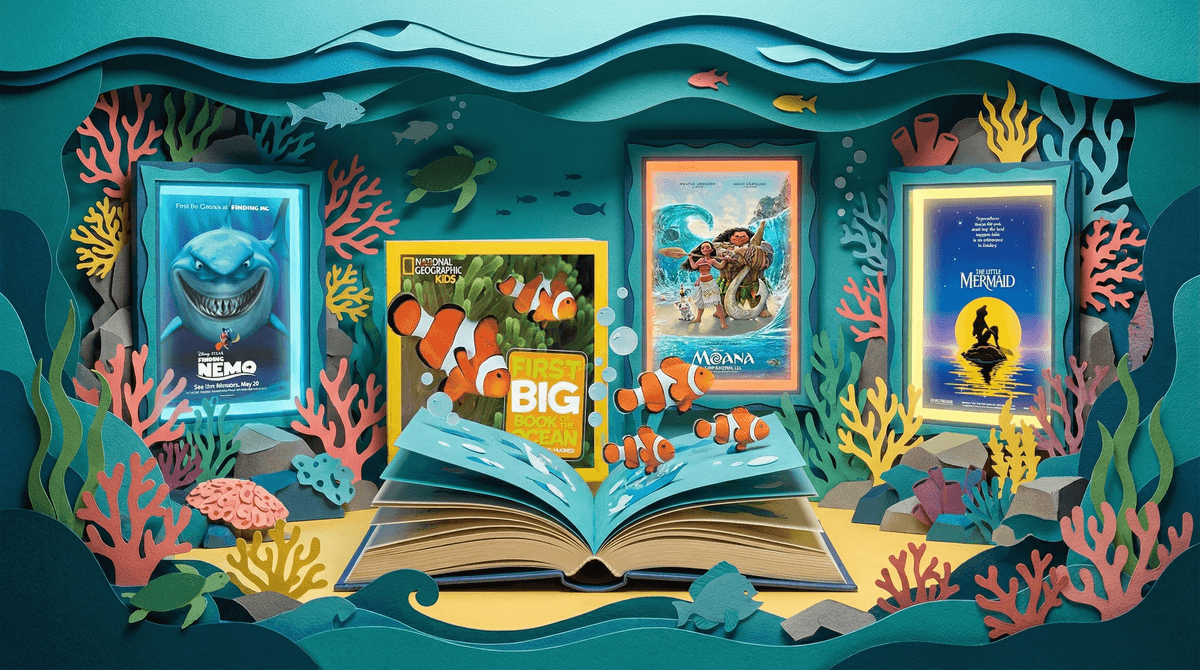
If your kid is coming off a Moana or Avatar binge and wants more island adventure, this is the gritty, solitary reality check. While those movies lean into magic and destiny, Island of the Blue Dolphins is about the logistics of staying alive when everyone you love is gone. It is the foundational text for survival stories that build real-world grit, but it trades high-octane stunts for a slow, rhythmic focus on craft and patience.
The "Hatchet" comparison
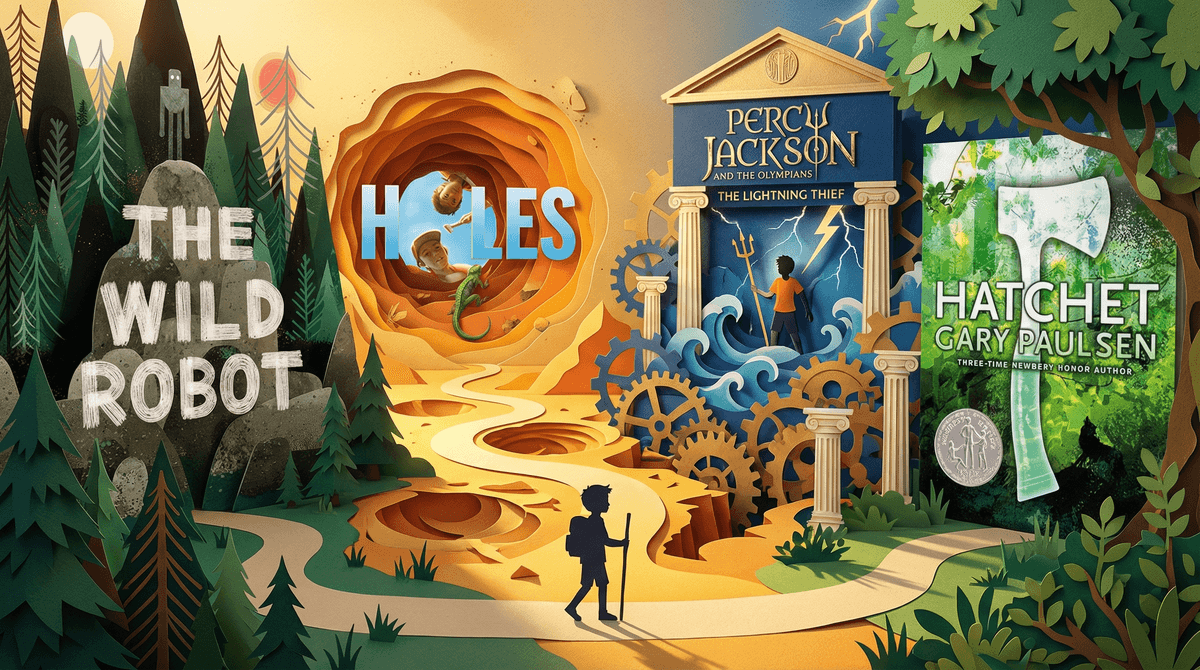
Most parents point to Gary Paulsen’s Hatchet as the gold standard for survival fiction. If Hatchet is about the frantic adrenaline of a plane crash, Island of the Blue Dolphins is about the endurance of a life lived in isolation. Karana doesn't just survive a weekend; she builds a multi-decade existence.
If your reader loved Hatchet and the Art of Growing Up Unplugged, they’ll recognize the "resourcefulness porn" here—the detailed descriptions of fashioning fishhooks from bone and building a fence out of whale ribs. It satisfies that specific kid-itch to know exactly how a person would survive on their own. However, Karana’s journey is much more meditative. There are long stretches where the "action" is just the changing of seasons or the observation of a tide pool.
The Ramo factor
We have to talk about the brother. The moment Karana jumps off the ship to stay with her young brother, Ramo, is a peak "hero" moment. But the book doesn't reward her bravery with a fun sibling adventure. Ramo’s death by wild dogs happens quickly and brutally. It’s the pivot point that turns this from a survival story into a study of solitude.
This isn't a "sad book" in the way a terminal illness tear-jerker is. It’s more of a "heavy" book. Karana’s grief is expressed through her work. She doesn't have a volleyball named Wilson to talk to; she has the island. For a kid who is used to the constant chatter of YouTube or group chats, the silence in these chapters can feel profound.
Ethics and the 1960 lens
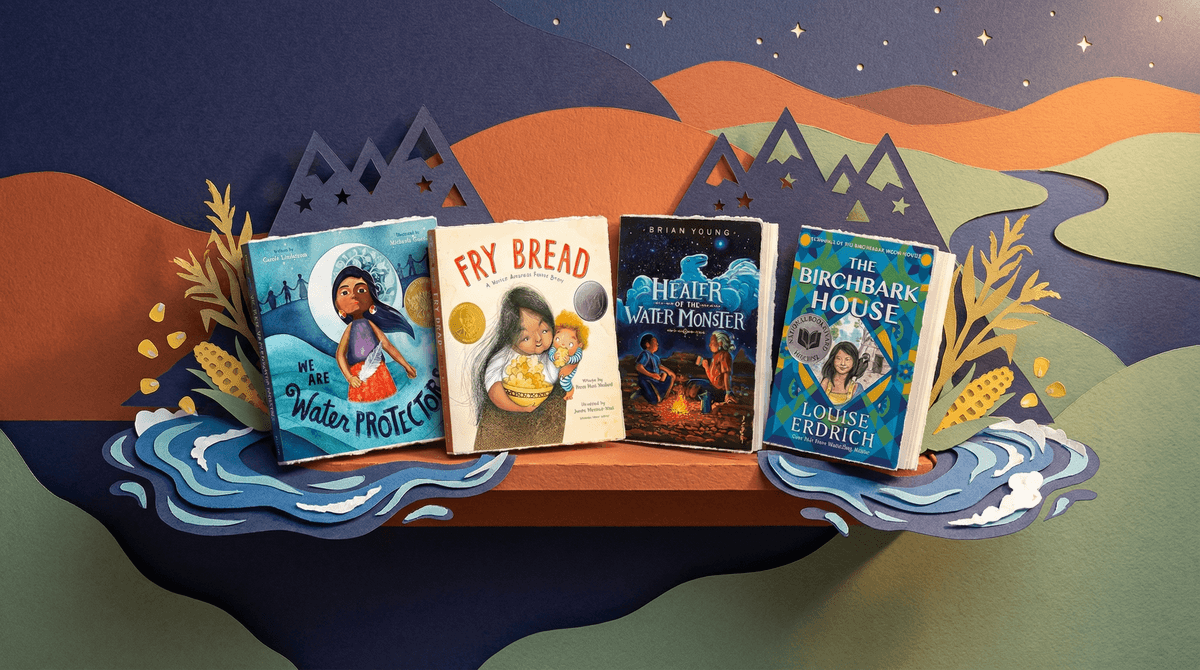
Since this was originally published in 1960, it occupies a complicated space in the world of books with Native American characters. Scott O’Dell was writing from a white perspective about a real historical Indigenous woman. While the 2010 edition includes a thoughtful introduction by Lois Lowry, the book is very much a product of its time. It treats the "Aleuts" (the antagonists) with a fairly broad brush.
The most interesting evolution, though, is Karana’s relationship with the natural world. She starts by hunting for survival and revenge, but she ends the book as a protector of the island’s animals. It’s a sophisticated arc that moves past "man vs. nature" and into something more like stewardship. If you have a kid who is sensitive about animals, the early chapters involving the wild dogs will be a hurdle, but the payoff of Karana befriending the leader of the pack is the emotional heart of the story.