Our reviews and ratings are 100% unbiased. Screenwise is a Bookshop.org affiliate and an Amazon Associate, so if you buy a book through one of our links, we may earn a commission. Bookshop.org purchases also support independent bookstores.
Screenwise Verdict
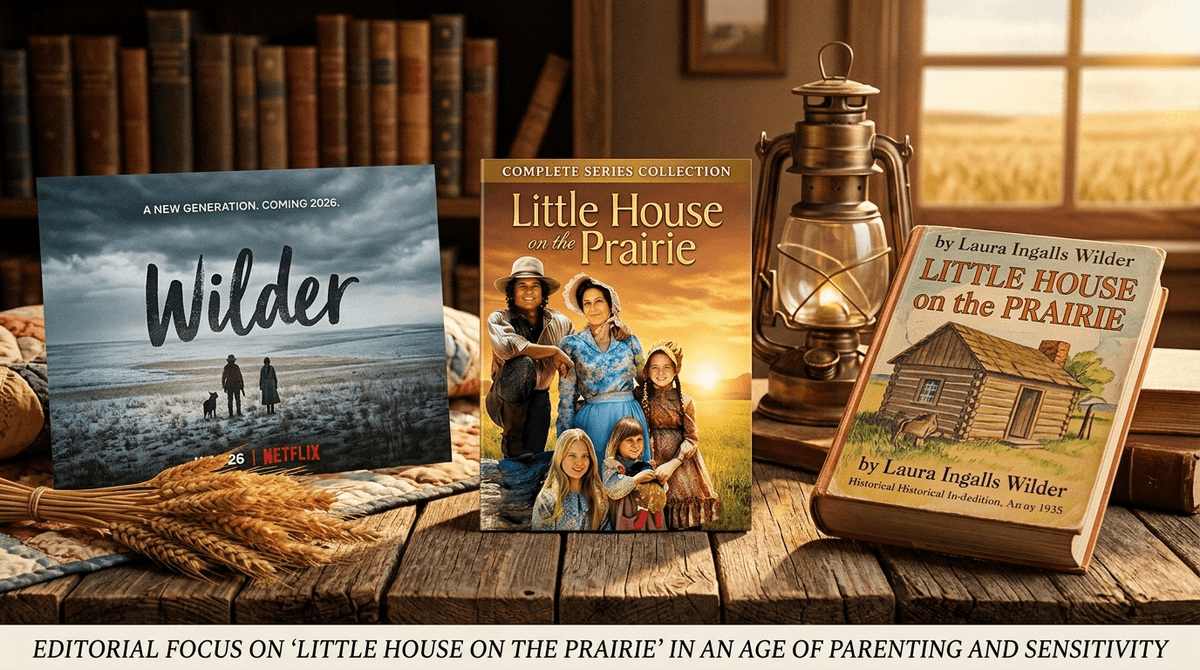
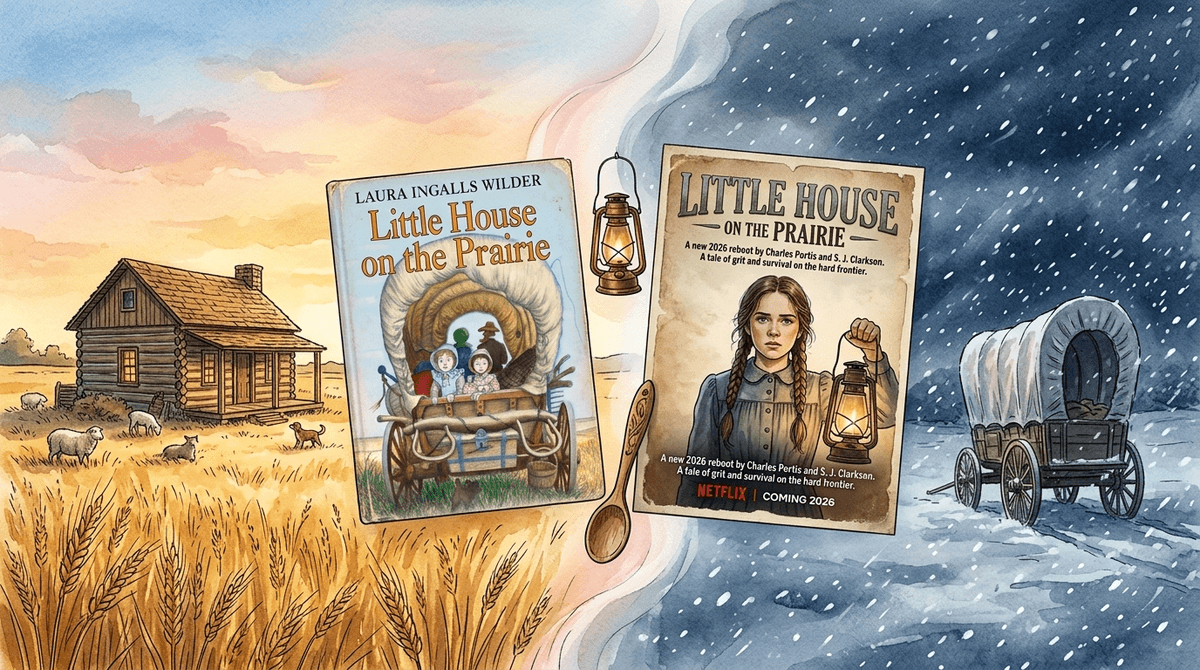
Here's the truth: Little House on the Prairie is a cultural touchstone that many parents remember fondly, but it's a harder sell to modern kids than you might hope. The writing is lovely but slow, the daily-life descriptions are fascinating but require patience, and the racism toward Native Americans is baked into the narrative in ways that can't be ignored.
If you're willing to read it aloud and pause for context ("Remember, Laura's family is moving onto Osage land without permission, and the Osage have every right to be upset"), it offers genuine historical value and beautiful family moments. But if you hand it to a 7-year-old expecting them to devour it independently the way kids did in 1975, you'll likely get a shrug and a request for Dog Man.
The WISE score reflects reality: it's enriching and mostly wholesome, but the outdated attitudes and old-fashioned pacing mean it won't crack many modern kids' top-ten lists without serious parental scaffolding.
Age Fit
Best as a read-aloud for ages 6-10, where parents can provide historical context and discuss the problematic Native American portrayal. Independent readers 8+ can handle it but will need conversations about the dated attitudes. Teens and adults won't find it engaging unless they're nostalgic or studying historical literature.
WISE Breakdown
Wholesome
82
Models strong family bonds, resilience, cooperation, and self-reliance. The Ingalls family works together through hardship with kindness and determination. Some outdated attitudes toward Native Americans are present (they're depicted as threatening 'others'), which mars an otherwise wholesome depiction of frontier family life.
Imaginative
71
Vivid descriptions of frontier life spark curiosity about pioneer experiences—building a house from scratch, hunting for food, managing without modern conveniences. The journey west and settling new land invites imagination about a radically different way of living. However, it's more observational than interactive; readers absorb Laura's world rather than being prompted to create their own.
Safe
78
No graphic violence, sexual content, or profanity. Some scary moments (fever, wolves howling, tension with Native Americans, near-starvation) but handled with restraint appropriate for middle-grade readers. The dated and problematic portrayal of Native Americans as threats is the main concern—they're called 'Indians' throughout and depicted as dangerous obstacles rather than people with their own perspective.
Enriching
76
Offers genuine historical insight into 1870s American frontier life—how families survived without electricity, grocery stores, or doctors. Builds appreciation for resourcefulness, hard work, and resilience. The detailed descriptions of daily tasks (making bullets, building chimneys, doctoring livestock) teach practical pioneer skills. However, the one-sided historical perspective and lack of Native American humanity limits its educational value without adult context.
Parent Info
✓
Why It Might Be Great
Incredibly detailed window into 1870s pioneer life—how families actually survived on the prairie without modern anything
Models resilience, resourcefulness, and family teamwork through genuine hardship
Wilder's sensory descriptions make you feel the creak of the wagon, smell the prairie grass, hear Pa's fiddle
Generations of readers have connected with Laura's curiosity and spunk
Excellent read-aloud for families who want to discuss historical context together
⚠
What to Watch For
Native Americans are portrayed as threatening obstacles rather than people—they're consistently called 'Indians' and depicted from a settler-colonial perspective that erases their humanity and land rights
The pacing is slow and contemplative; modern kids raised on fast-cut media may find it genuinely boring without parental enthusiasm
Some scary moments (fever, wolves, near-starvation) that sensitive kids might find distressing
Pa's attitudes reflect 1870s settler mentality—this needs context about whose land they're actually on
Conversation Starters
"The Ingalls family is settling on land that belonged to the Osage people. What do you think it was like for the Osage to see settlers moving onto their territory?"
"How would your daily life be different if you had to make everything from scratch like Laura's family did?"
"Pa says 'the only good Indian is a dead Indian' at one point (quoting a common saying). Why do you think people said things like that, and why is that so wrong?"
"What would be the hardest part of pioneer life for you? What might actually be kind of cool?"