The "Little House" correction
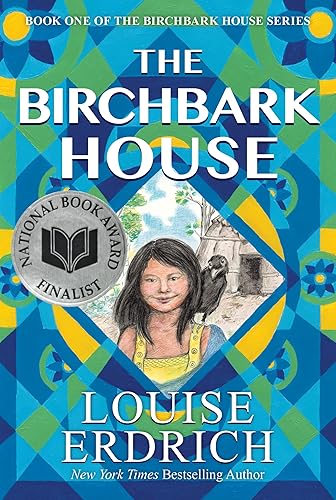
If you grew up on Laura Ingalls Wilder, you probably have a specific mental map of 1800s frontier life: log cabins, maple sugar, and a vague sense of "wilderness" that was somehow empty and available. Louise Erdrich’s series is the necessary, brilliant correction to that narrative. It covers similar ground—seasonal survival, family bonds, the grueling work of making a life from the land—but it centers the Ojibwe people who were already there.
This isn't just about "representation" in a checklist sense. It’s about perspective. While many historical novels treat Indigenous characters as obstacles or tragic background actors, The Birchbark House makes Omakakiins’ world the center of the universe. If you are trying to build books with Native American characters into your kid's library, this is your cornerstone. It doesn't feel like a history lesson; it feels like a life.
The smallpox pivot
Most of the book is a "cozy" survival story. You learn how to build a birchbark house, how to dry berries, and how to navigate the social hierarchy of a big family. But there is a specific moment when a visitor arrives at the lodge, and the story shifts from a seasonal slice-of-life into a survival tragedy.
The smallpox epidemic is handled with incredible grace, but it is devastating. Characters die. The grief is heavy and lingering. This is the moment that usually prompts a Google search from parents: "Is this too much for a nine-year-old?" Generally, no. Erdrich is a Pulitzer winner for a reason; she knows how to write about trauma without being exploitative. But if your kid is particularly sensitive to "family peril," you might want to read those middle chapters together. The payoff is seeing Omakakiins discover her strength as a healer, but the cost is high.
A different kind of momentum
Don't expect the breakneck speed of a modern middle-grade thriller. This book moves at the pace of the seasons. There are long stretches where the "plot" is simply surviving the winter or dealing with a pesky crow. For kids who are used to the joke-per-minute style of some middle-grade series, the first fifty pages might feel slow.
However, for the kid who loves details, this is a goldmine. The 2021 edition features Erdrich’s own pencil drawings, which help ground the descriptions of Ojibwe tools and traditions. It’s a "sink-in" book. If your child likes building things in Minecraft or is obsessed with survival shows, they will likely connect with the granular details of how Omakakiins’ family actually lives.
The fact that this is the start of a nine-book series is the real selling point. If the rhythm of this first book clicks, your kid has a decade-by-decade roadmap of this family’s life waiting for them. It’s a massive achievement in historical fiction that manages to be both educational and deeply personal.