Our reviews and ratings are 100% unbiased. Screenwise is a Bookshop.org affiliate and an Amazon Associate, so if you buy a book through one of our links, we may earn a commission. Bookshop.org purchases also support independent bookstores.
Screenwise Verdict
This is the rare picture book that's both gorgeous and genuinely important. It introduces environmental activism and Indigenous wisdom without talking down to kids or spiraling into climate despair.
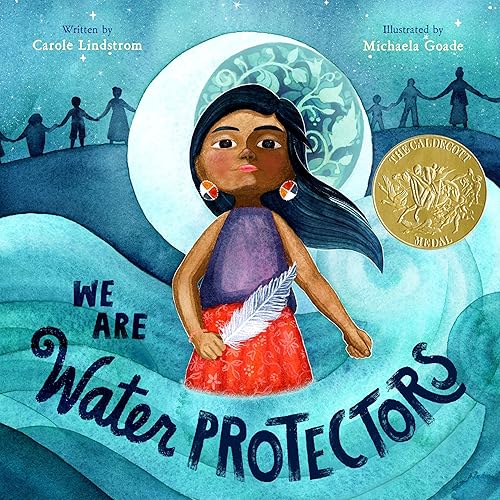
The Caldecott Medal is well-deserved—Michaela Goade's illustrations are breathtaking, blending traditional Indigenous art with contemporary storytelling. And Carole Lindstrom's text is spare but powerful, turning the fight against the Dakota Access Pipeline into something a 4-year-old can understand and feel inspired by.
Yes, you'll need to explain what a pipeline is. Yes, some kids will ask why people want to hurt the water. But those are good conversations to have, and this book gives you a gentle, age-appropriate entry point. It's activism without anxiety, empowerment without overwhelm.
A must-have for any family raising kids who care about the planet.
Age Fit
Perfect for ages 3-8, especially kids ready to think about the environment beyond 'reduce, reuse, recycle.' The poetic language and metaphor work for preschoolers, while early elementary kids can dig into the real-world activism it represents.
WISE Breakdown
Wholesome
92
Models environmental stewardship, Indigenous wisdom, and collective action in age-appropriate language. The tone is empowering without being preachy, celebrating water as sacred and positioning young readers as capable protectors. Emotionally grounded in care for the earth and community.
Imaginative
88
Caldecott Medal-winning illustrations by Michaela Goade create stunning visual storytelling. The metaphor of the 'black snake' (representing oil pipelines) is poetic and invites interpretation. Blends Indigenous symbolism with contemporary activism in ways that spark curiosity about both culture and environmental science.
Safe
95
Picture book format with no concerning content. The 'black snake' metaphor might briefly worry very young kids, but it's presented as something that can be fought against, not a nightmare-inducing threat. No violence, scary imagery, or mature themes. Age 3-7 reading level confirmed by multiple sources.
Enriching
94
Introduces Indigenous perspectives on environmentalism, the Dakota Access Pipeline protests, and water rights activism. Builds empathy, cultural awareness, and civic engagement. The companion book about real activist Autumn Peltier extends learning. Meaningful without being didactic—kids learn that their voices matter.
Parent Info
✓
Why It Might Be Great
Stunning illustrations that won the Caldecott Medal—this book is genuinely beautiful to look at
Introduces environmental activism and Indigenous perspectives in language that 4-year-olds can grasp
Empowering message that kids can make a difference, without the doom-and-gloom climate anxiety
Culturally authentic—written by Carole Lindstrom (Anishinaabe/Métis) and illustrated by Michaela Goade (Tlingit)
The 'black snake' metaphor is poetic enough to work on multiple levels as kids grow
⚠
What to Watch For
Very young kids might need reassurance that the 'black snake' (oil pipeline) can be stopped—it's not a literal monster
Will likely prompt questions about pollution, pipelines, and why people protest
Some families may want to discuss Indigenous land rights and treaty violations, which the book alludes to but doesn't explicitly detail
Conversation Starters
"Why do you think the author calls water 'the first medicine'? What does water do for us?"
"The book talks about a 'black snake'—what do you think that represents? (Spoiler: it's an oil pipeline)"
"Have you ever seen people working together to protect something important? What was it?"
"What are some ways we can protect water in our own community?"