

Let's be real: finding quality Black history content for kids can feel overwhelming. You want something that's historically accurate, age-appropriate, engaging enough that they'll actually watch it, and ideally not something that treats Black history like a side note or trauma highlight reel.
The good news? There's actually a ton of excellent content out there now—way more than even five years ago. The challenge is knowing where to look and what's actually worth your time. Because let's face it, not all "educational content" is created equal, and some of it is... let's just say it won't hold anyone's attention for more than 30 seconds.
Here's the thing: Black history shouldn't be relegated to 28 days in February. It's American history. It's world history. And kids—all kids—benefit from learning about the full, complex, inspiring, sometimes difficult stories of Black Americans and the African diaspora.
For Black children, seeing themselves reflected in history builds identity and pride. For all children, learning accurate, comprehensive history builds empathy and understanding. Plus, honestly, so much of Black history is just objectively fascinating—from hidden figures in science and math to the Harlem Renaissance to the brilliance of code-switching during the Underground Railroad.
The digital format—videos and podcasts—can bring these stories to life in ways that dusty textbooks often don't. You get primary sources, music, actual voices, visual storytelling. When done well, it's powerful stuff.
Ages 3-7: Foundation Building
For younger kids, you want content that introduces concepts of fairness, diversity, and basic historical figures without overwhelming them.
Brains On! has several episodes that touch on Black scientists and inventors in their signature fun, accessible style. Their episode on George Washington Carver is genuinely delightful.
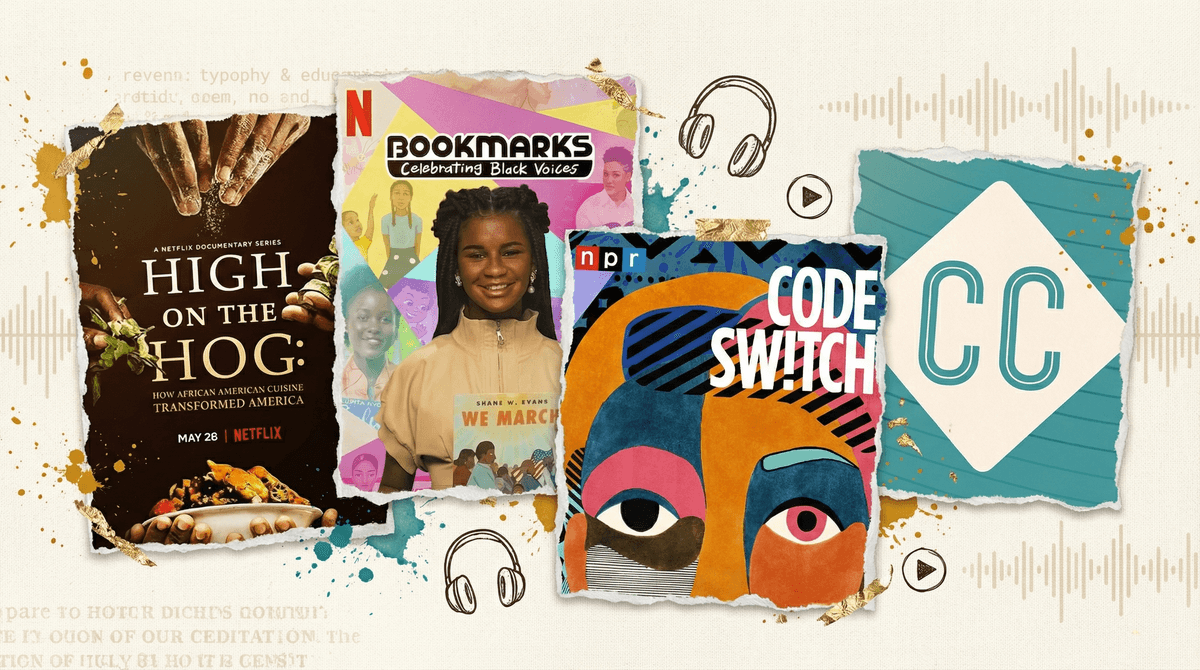
Bookmarks: Celebrating Black Voices (Netflix) features celebrities reading children's books by Black authors. Each episode is short (under 15 minutes), beautifully animated, and perfect for this age group. The books themselves are worth tracking down too.
Little Leaders: Bold Women in Black History isn't technically a video series, but the book has inspired several YouTube read-alouds that work great for this age. Look for read-alouds by teachers or librarians rather than auto-generated content.
Ages 8-12: Going Deeper
This is the sweet spot for a lot of excellent content. Kids are old enough to understand historical context but still engaged by dynamic storytelling.
Crash Course Black American History (YouTube) is fantastic. Hosted by Clint Smith, it covers everything from pre-colonial Africa to present day. Episodes are about 15 minutes, well-produced, and actually entertaining. Fair warning: it doesn't shy away from difficult topics like slavery and Jim Crow, but it handles them thoughtfully and age-appropriately for upper elementary and middle school.
Short Circuit (Disney+) has an episode called "Just a Thought" that's a beautiful, kid-friendly exploration of what it means to be Black in America through animation. It's only 4 minutes but packs a punch.
Wow in the World occasionally features episodes on Black scientists and inventors. Their episode on Lonnie Johnson (inventor of the Super Soaker) is both educational and hilarious—exactly what you want for this age group.
The Who Was? Show (Netflix) is based on the popular book series and includes episodes on Harriet Tubman, Muhammad Ali, and other historical figures. It's goofy and irreverent but historically solid. Some kids find it a bit cringe, others love it—know your audience.
Ages 13+: Complex Narratives
Teens can handle—and benefit from—more nuanced, challenging content that doesn't sanitize history.
13th (Netflix) is Ava DuVernay's documentary about mass incarceration and the 13th Amendment. It's powerful, important, and appropriate for high schoolers. Watch it with them and be ready to discuss.
High on the Hog: How African American Cuisine Transformed America (Netflix) is a gorgeous docuseries that traces Black food culture from Africa to America. It's a different lens on history—through food—and it's absolutely riveting. Also, you'll get hungry.
Code Switch (NPR podcast) isn't specifically for teens, but mature teens who are interested in race, culture, and identity will find it fascinating. Episodes vary in topic but are always thoughtful and well-reported.
Amend: The Fight for America (Netflix) uses historical footage, expert interviews, and celebrity narration to explore the 14th Amendment and the fight for equal rights. It's accessible but doesn't dumb things down.
Not all "educational" content is actually good. Here's what to avoid:
Trauma porn: Content that focuses exclusively on suffering without context, resilience, or the full humanity of the people involved. Black history includes trauma, yes, but it's not only trauma.
Whitewashed narratives: Content that centers white saviors or glosses over systemic racism to make everyone feel comfortable. Discomfort is sometimes part of learning accurate history.
Outdated language and framing: Some older documentaries use terminology or perspectives that haven't aged well. Doesn't mean you can't watch them, but be ready to add context.
Auto-generated YouTube garbage: You know the ones—weird animation, robot voices, questionable facts. Stick to established creators and channels.
Don't just press play and walk away. The best learning happens when you watch or listen together and talk about it afterward. Ask questions like:
- What surprised you?
- How do you think that person felt?
- Why do you think we didn't learn this in school?
- What would you have done in that situation?
Make it ongoing, not a one-time thing. Rotate these videos and podcasts into your regular media diet throughout the year, not just in February.
Follow up with books, museums, or local history. Digital content is a great starting point, but there's no substitute for holding a primary source document or visiting a historical site.
Let kids lead sometimes. If they get interested in a particular person or time period, help them dig deeper . YouTube has entire channels dedicated to specific topics.
There's legitimately great Black history content available for every age group. The key is being intentional about what you choose and how you engage with it. Look for content that's historically accurate, age-appropriate, and presents the full complexity and humanity of Black experiences—the joy, creativity, resilience, and brilliance alongside the struggles.
Your kids don't need perfection; they need exposure to diverse stories and the tools to think critically about history. Start with one podcast episode or one short video this week. Talk about it over dinner. See where it leads.
Take the Screenwise survey to get personalized recommendations based on your kids' ages and interests. The platform can help you build a media plan that includes educational content like this alongside entertainment.
Bookmark a few options from this list and try one this weekend. Seriously, just pick one and press play.
Check your local library for companion books or ask librarians for recommendations—they're usually thrilled when parents ask for this stuff.
And if you're wondering about specific content or need help navigating conversations about race with your kids, Get guidance on navigating conversations about race.