

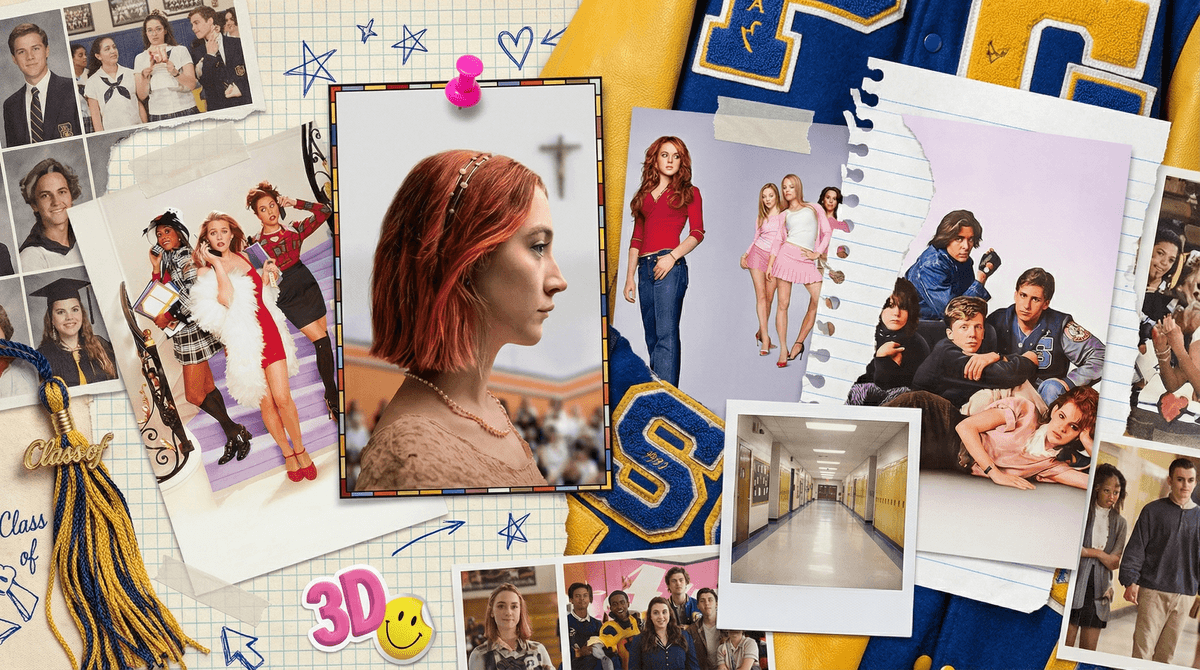
The Best High School Movies of All Time: A Parent's Guide to Teen Cinema Classics
High school movies are having a moment with teens rediscovering classics on streaming, and honestly? Some of these films are genuinely great entry points for conversations about identity, peer pressure, and growing up. But they range wildly from wholesome to "wait, people thought this was okay in the 80s?" Here are the ones worth watching together, organized by what you're ready to tackle:
Safe Starting Points: The Breakfast Club, Ferris Bueller's Day Off, Clueless
For Mature Conversations: Heathers, Dead Poets Society, Mean Girls
Modern Takes Worth Your Time: The Edge of Seventeen, Booksmart, Lady Bird
Your teen is watching these anyway—either because they've gone viral on TikTok, because their friends reference them constantly, or because they're genuinely curious about what high school "used to be like" (ouch). The good news? Many of these films tackle timeless themes: finding yourself, questioning authority, navigating social hierarchies, and figuring out who you want to be versus who everyone expects you to be.
The not-so-good news? Some haven't aged well. Casual homophobia, sexual harassment played for laughs, and wildly outdated attitudes about consent show up in films we remember as "harmless comedies." This doesn't mean you should skip them—it means they're opportunities for media literacy conversations.
The Breakfast Club (1985)
Ages 13+
Five stereotypes walk into Saturday detention and discover they're actual humans with complex inner lives. Shocking!
This is the gold standard for a reason. The dialogue holds up, the performances are genuine, and the central message—that the boxes we put people in are bullshit—remains relevant. Yes, there's some outdated language and Bender's treatment of Claire is problematic by today's standards, but those moments become teaching opportunities rather than dealbreakers.
Watch it if: Your teen is starting to notice how rigid social hierarchies are at school, or if they're struggling with feeling like they have to perform a certain identity to fit in.
Ferris Bueller's Day Off (1986)
Ages 11+
The ultimate fantasy of ditching responsibility for pure joy. Ferris is either an inspirational free spirit or an entitled nightmare depending on your mood, and that's what makes this interesting.
The movie is genuinely funny, surprisingly sweet, and—here's the thing—it's really about Cameron, not Ferris. Cameron's journey from anxious people-pleaser to someone who finally stands up for himself is the actual story. Ferris is just the chaos agent who makes it happen.
Watch it if: Your teen needs permission to not be perfect all the time, or if they're the friend who always goes along with what everyone else wants.
Clueless (1995)
Ages 12+
A loose adaptation of Jane Austen's Emma set in Beverly Hills, and somehow it works perfectly. Cher seems vapid but is actually kind, uses her privilege to help others, and grows throughout the film without losing what makes her her.
The fashion is back (Gen Z is obsessed), the slang is iconic, and the movie is way smarter than it pretends to be. Plus it handles the romance subplot in a way that's sweet rather than creepy, which is rarer than it should be in 90s teen films.
Watch it if: Your teen needs a reminder that you can be feminine and smart, that growth doesn't require completely changing who you are, or if they're just discovering classic rom-coms.
Heathers (1988)
Ages 15+
This pitch-black satire about teen suicide, murder, and the toxicity of high school social hierarchies is... a lot. It's also brilliant, but you absolutely need to watch this one together and talk about it.
The film was controversial when it came out and remains so today. It doesn't glorify violence—it satirizes how adults respond to teen tragedy with empty platitudes—but the subject matter is heavy. School shootings weren't part of our cultural consciousness in 1988 the way they are now, which changes how the film lands.
Watch it if: Your teen is mature enough for dark satire and you're ready to have conversations about social cruelty, mental health, and how we talk about teen problems. Here's how to approach these conversations .
.
Dead Poets Society (1989)
Ages 13+
Robin Williams plays an English teacher who inspires his students to "seize the day" and think for themselves, which goes about as well as you'd expect when you're dealing with an oppressive prep school in the 1950s.
This one hits different depending on where your teen is emotionally. For some, it's inspirational. For others, particularly those dealing with parental pressure or depression, the ending can be devastating. Know your kid before queuing this up.
Watch it if: Your teen is struggling with parental expectations, feeling pressure to pursue a path they don't want, or questioning what success actually means.
Mean Girls (2004)
Ages 13+
They've already seen it. They quote it constantly. You might as well watch it together so you understand what "fetch" isn't going to happen and why "On Wednesdays we wear pink" is a thing.
The movie is genuinely smart about how girls police each other, how social hierarchies work, and how easy it is to become the thing you hate. Yes, there are some dated jokes, but the core message about authenticity and female friendship holds up.
Watch it if: Your teen is navigating friend drama, dealing with cliques, or you want to talk about relational aggression.
The Edge of Seventeen (2016)
Ages 14+
Finally, a movie that captures how genuinely awful and confusing being a teenager can feel without making it precious or romanticized. Hailee Steinfeld is perfect as Nadine, a girl who's prickly, self-absorbed, anxious, and completely relatable.
The teacher-student relationship (platonic, mentorship-based) is one of the best depictions of how adults can actually help teens without being preachy. And it's funny! Like, actually funny, not "funny for a teen movie."
Watch it if: Your teen feels like everyone else has it figured out except them, or if they're dealing with friendship changes and feeling left behind.
Booksmart (2019)
Ages 15+
Two overachieving best friends realize the night before graduation that they could have had fun AND gotten into good colleges, so they attempt to cram four years of partying into one night.
This is Superbad but better in every way—smarter, kinder, more inclusive, and actually interested in its female characters as full humans. The friendship at the center is genuine and complex, and the movie doesn't punish anyone for their choices.
Watch it if: Your teen is the "good kid" who's starting to feel resentful about it, or if you want to talk about work-life balance and what success actually means.
Lady Bird (2017)
Ages 14+
Greta Gerwig's semi-autobiographical film about a high school senior in Sacramento who desperately wants to leave for the East Coast and escape her "boring" life. It's really about the relationship between Lady Bird and her mother—complicated, loving, frustrating, and so painfully real.
The movie gets the specific weirdness of being 17 and simultaneously thinking you know everything and knowing you know nothing. Plus it's set in 2002-2003, which means your teen gets to see flip phones and be horrified.
Watch it if: You and your teen are in a rough patch, if they're dealing with wanting to leave home, or if you want to cry together about mother-daughter relationships.
Look, Sixteen Candles has some genuinely sweet moments, but it also has a sexual assault played for laughs and a character literally named "Long Duk Dong" with every racist stereotype you can imagine. Fast Times at Ridgemont High has great performances but treats statutory rape as a minor plot point.
These movies shaped teen comedy as a genre, but watching them now requires constant pausing to say "this was wrong then and it's wrong now." That's exhausting. There are better options that don't require quite so much deprogramming.
If your teen wants to watch these because they're "classics," fine—but go in prepared to have conversations about consent, racism, and how "it was a different time" isn't actually an excuse for harmful content.
Ages 11-12: Stick with Ferris Bueller and Clueless. Both have some language and mild innuendo but nothing that will keep you up at night.
Ages 13-14: Add The Breakfast Club, Mean Girls, Dead Poets Society, and Lady Bird. Be prepared for questions about sex, drugs, and whether you were actually that dramatic as a teen (you were).
Ages 15+: Everything's on the table, but watch Heathers together and be ready for heavy conversations. Booksmart has more sexual content and drug use than the others but handles it maturely.
These movies are time capsules. Part of their value is showing your teen how much has changed (and how much hasn't) in terms of social dynamics, gender roles, and acceptable behavior. Use the dated parts as conversation starters rather than reasons to skip entirely.
Your teen is comparing their life to these movies. High school in films is heightened, dramatic, and resolved in 90 minutes. Real high school is boring, confusing, and lasts four years. Talk about the difference between cinematic storytelling and actual teenage experience.
The parties in these movies are not realistic. No, there aren't massive unsupervised ragers every weekend where everyone looks 25 and nobody's parents ever come home. Your teen knows this intellectually but might feel like they're missing out anyway. Here's how to talk about FOMO and social pressure.
Watch for what resonates. If your teen is obsessed with Dead Poets Society, they might be feeling academic pressure. If they're rewatching The Edge of Seventeen, they might be struggling socially. Pay attention to what they connect with—it's often a window into what they're processing.
High school movies are a genre unto themselves, and the best ones transcend their era to say something true about growing up. They're also a relatively low-stakes way to have high-stakes conversations about identity, belonging, peer pressure, and values.
Watch them together. Pause when something feels off. Ask questions. Let your teen explain why certain scenes are funny or meaningful to them. These movies aren't just entertainment—they're a shared cultural language, and understanding them helps you understand what your teen is navigating.
And if your teen insists that Heathers is "just a dark comedy" or that The Breakfast Club is "totally unrealistic," congratulations—they're thinking critically about media. That's exactly what you want.
Start with what they already know. Ask your teen which high school movies they've heard about or seen clips of on TikTok. Start there rather than forcing your favorites on them.
Make it a movie night series. Pick one a week and rotate who chooses. This gives you regular built-in time to hang out and talk without it feeling like a Big Conversation.
Explore related content. If your teen loves these films, they might enjoy coming-of-age books or TV shows about high school that tackle similar themes with more modern sensibilities.
Use Screenwise to dig deeper. Check out individual media pages for detailed content warnings, parent reviews, and age recommendations for any of these films. And if you want to explore alternatives to typical teen movies or how to talk about problematic content in older films, we've got you covered.