The mall as the center of the universe
If you grew up on the polished, synth-heavy teen movies of the mid-to-late 80s, this might feel like a different genre entirely. It lacks the "everyone is a secret poet" vibe of later classics. Instead, it captures the specific, sweaty reality of being sixteen and bored in a SoCal suburb. This is a movie about employment as much as it is about romance. The characters spend more time in the food court or clocking into dead-end jobs than they do in a classroom.
It’s that "lived-in" quality that makes it worth watching today. Most teen movies feel like they were written by adults trying to remember what it was like to be young. This one feels like it was written by someone who never left. If your teen is used to the hyper-stylized, high-stakes drama of modern streaming shows, the low-stakes, observational pace of this film might be a shocker. Nothing "huge" happens for long stretches, yet it feels more honest than a dozen "very special episodes" combined.
Where the "1982" of it all hits hardest
There are two specific plot points that will likely trigger a "wait, what?" from a modern viewer. First is the subplot involving a teacher and a student. In 1982, this was framed as a "lucky break" for the kid—a trope that has aged like milk. Today, we recognize it as predatory, and the film’s breezy, comedic take on it is the most dated thing about the movie.
Second is the abortion storyline. While the film was praised for being matter-of-fact about the procedure, the way the aftermath is handled—or rather, not handled—is striking. The character goes back to her life almost immediately. There’s no grand moralizing, which was revolutionary at the time, but it might feel glib to a modern audience used to more emotional weight in these stories.
How to frame the watch
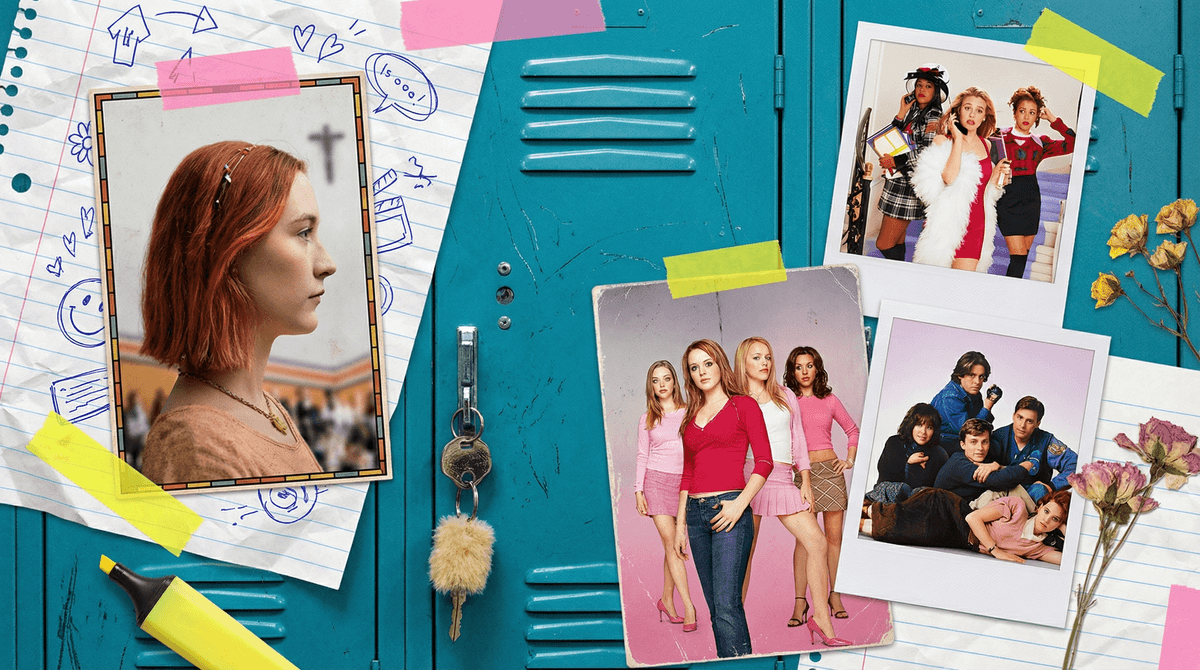
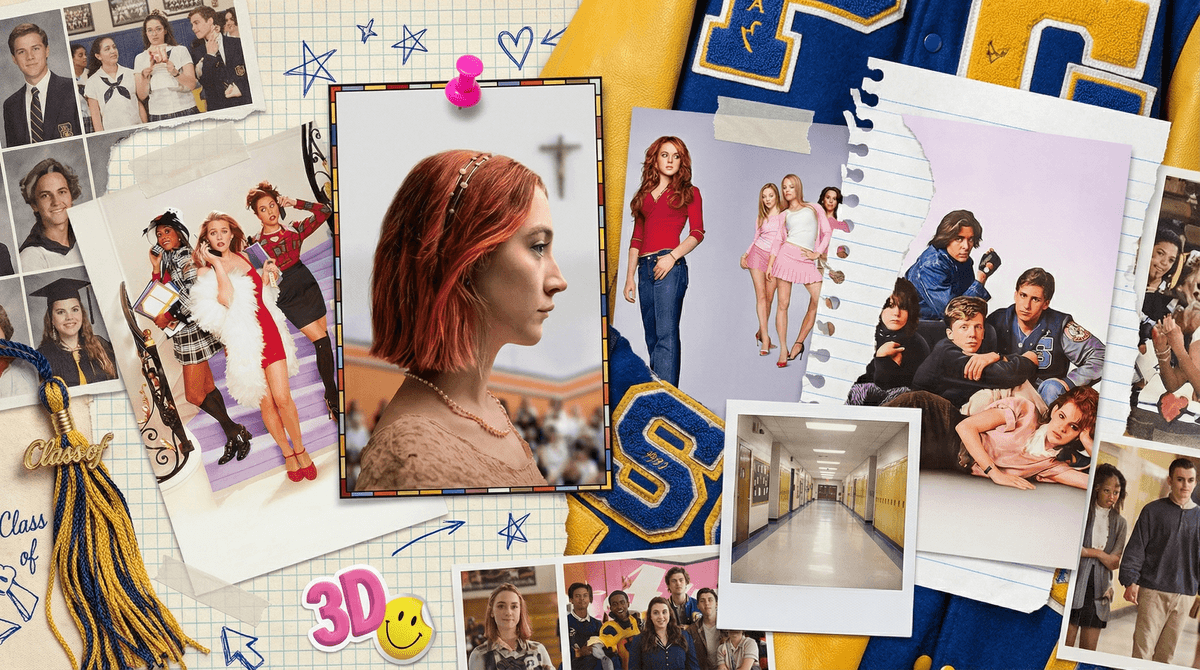
If your kid has already worked through the most popular high school films of all time and wants something that feels less like a "movie" and more like a time capsule, this is the pick. It’s the direct ancestor of movies like Dazed and Confused or Lady Bird—films that care more about character beats than plot points.
It’s also a great way to talk about how much independence has changed. These kids are essentially raising themselves, navigating sex and work with zero parental input. If you’re looking for a broader list of what to prioritize in this genre, check out the best high school movies of all time: a parent's guide to teen cinema classics.
Don't expect your teen to find the "stoner" character as legendary as you might. To a 2026 audience, that archetype is a trope they’ve seen a thousand times. The real value now is in the awkwardness of the younger characters trying to figure out how to be adults while working at a pizza shop. It’s messy, it’s often uncomfortable, and it’s a reminder that being a teenager has always been a bit of a disaster.