The PG rating trap
The single most important thing to understand about Sixteen Candles in 2026 is that the PG rating is a lie. This movie was released just two months before the MPAA created the PG-13 rating, largely because films like this and Indiana Jones and the Temple of Doom were traumatizing kids who expected something more akin to The Muppets.
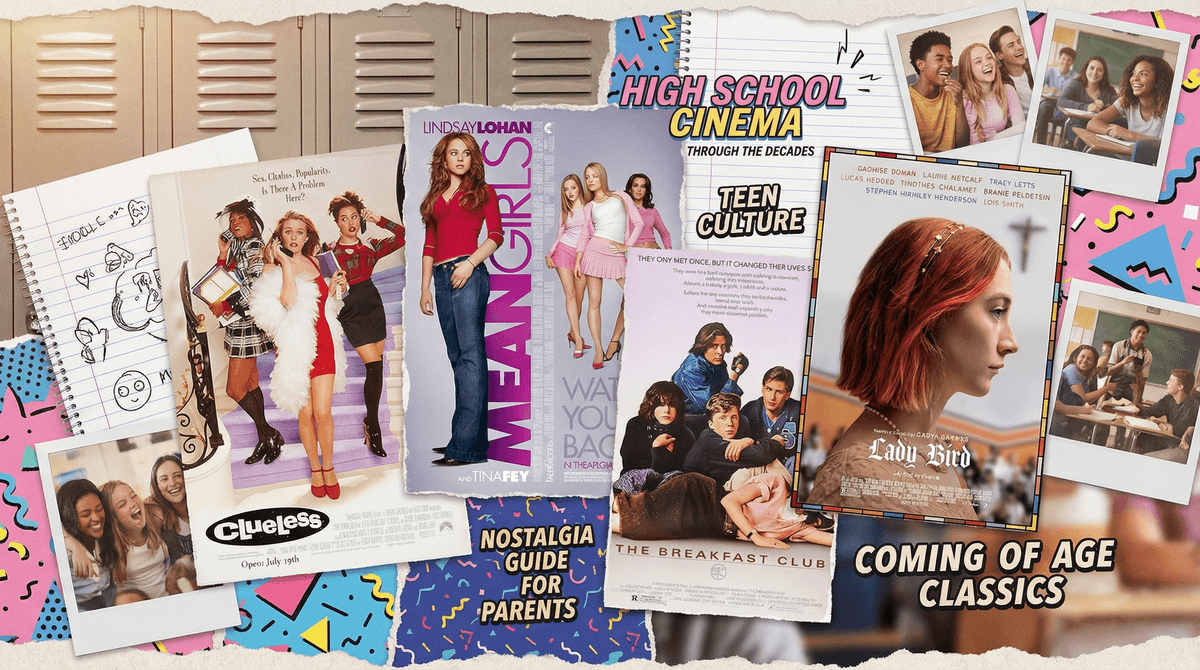
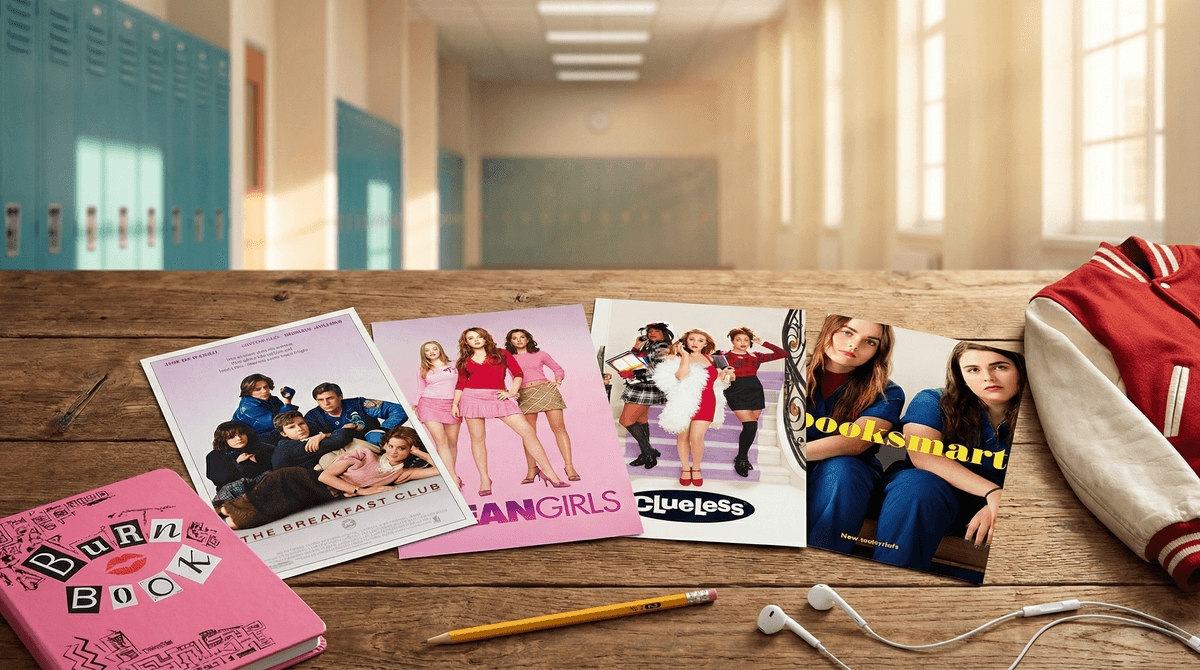
If you sit down with a ten-year-old expecting a quirky birthday story, you’re going to be hit with casual nudity, heavy drinking, and a plot point involving a non-consensual sexual encounter that the movie frames as a victory for the "nerd" character. In a modern context, that scene isn't just dated; it’s a total dealbreaker for most families. If your teen is interested in the 80s nostalgia media your kids are discovering through TikTok or Pinterest aesthetics, they need to know that the actual content of these movies rarely matches the "clean" retro vibe of the posters.
The John Hughes paradox
John Hughes had a preternatural ability to capture the feeling of being invisible. That core premise—a girl whose entire family forgets her sixteenth birthday because of her sister’s wedding—is still a potent bit of storytelling. It taps into that specific adolescent fear that your life is a footnote in everyone else's drama.
However, the movie surrounds that relatable core with some of the most aggressive "othering" in 80s cinema. The character of Long Duk Dong is the primary example. He isn't just a poorly written character; he is a collection of every racist trope available in 1984, punctuated by a literal gong sound. While critics at the time gave the film an 81% on Rotten Tomatoes, viewing it now feels like a constant exercise in cringe. If you want to introduce your teen to this era of filmmaking, you are much better off starting with our John Hughes teen movies guide to find titles that manage to be poignant without being quite so toxic.
Navigating the "Cringe"
If you do decide to watch this as a cultural artifact, it requires a very specific approach. You can't just let it play in the background. It works best as a "look how much has changed" case study. You’ll find yourself pausing to explain why the "Geek" taking a photo of an unconscious girl is predatory, not funny.
For parents who want the "80s high school" experience without the baggage, there are better paths. You’re looking for movies that capture the fashion, the synth-pop, and the independence without the punching-down humor. Check out our guide on what 80s movies hold up to find films that your kids will actually enjoy rather than just find offensive. Sixteen Candles might have the iconic ending with the cake and the table, but the ninety minutes leading up to it are a minefield that most modern families will want to avoid.