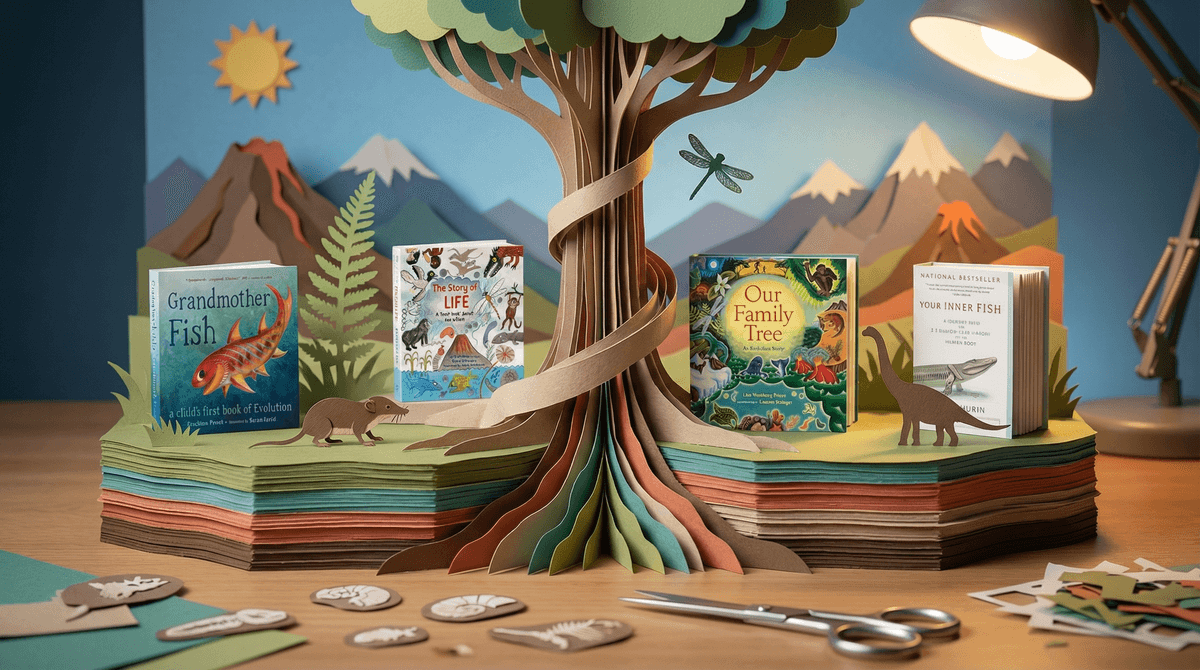
Most science books for this age group feel like a long walk through a museum where you aren't allowed to touch anything. Your Inner Fish is different because Neil Shubin writes like a guy who just found a treasure map in his own attic. He isn't just listing facts about fossils; he’s explaining why your body is a clunky piece of hardware that’s been upgraded too many times.
The "Aha" Moments
The real hook for a teenager or a curious middle-schooler isn't the paleontology—it’s the realization that their own body is a walking museum of "good enough" engineering. Shubin connects the dots between a shark's head and our own cranial nerves in a way that makes you realize your anatomy isn't a masterpiece; it’s a remix.
When he explains that hiccups are essentially a neurological glitch left over from our amphibian ancestors, or that our knees are basically fish parts trying to do a job they weren't designed for, the science becomes personal. It turns biology from a list of terms to memorize into a detective story where the reader is the evidence.
Navigating the Academic Friction
While Shubin is an excellent storyteller, this is still a book written by a professor of anatomy. There are chapters where he goes deep into DNA sequences and embryonic development. For a kid who lives for Jurassic Park style action, these sections might feel like a slog.
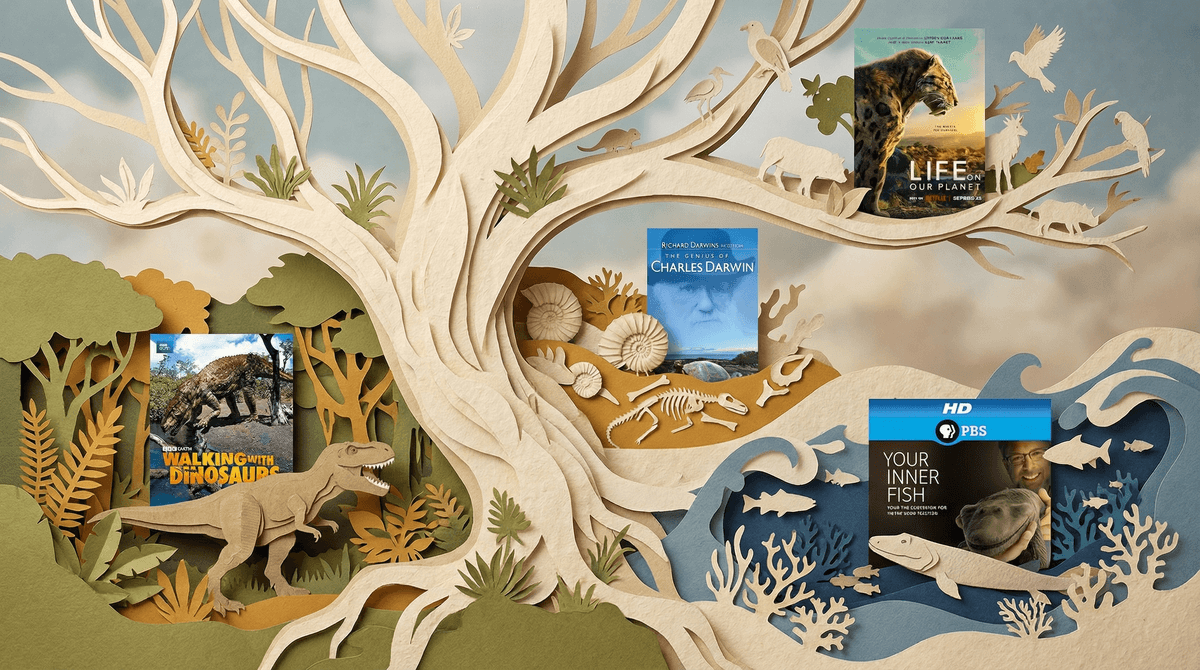
If your reader starts to glaze over during the genetics talk, don't be afraid to treat this as a "greatest hits" book. You can jump straight to the chapters on the "fish with hands" (Tiktaalik) or the history of our eyes without losing the thread. If the text feels too dense for a younger reader, you might start with some interesting movies or documentaries about evolution for 8-12 year olds to build the visual context first.
Where This Fits in the Library
This is the "gateway drug" to more serious science writing. If your kid has already burned through every animal encyclopedia in the house and is starting to ask deeper questions about why humans look the way we do, this is the logical next step. It’s a foundational pick for any family science library.
For the best experience, keep a laptop or tablet nearby. When Shubin describes the specific bone structure of a 375-million-year-old fin, being able to pull up a high-res photo of the Tiktaalik fossil makes the text pop. If the book sparks a genuine obsession, there is a companion guide to the PBS series that can help bridge the gap between the page and the screen. It’s one of the few instances where the book and the documentary feel like two halves of a whole rather than a redundant repeat.