The Volcano Lair and the Death of Logic
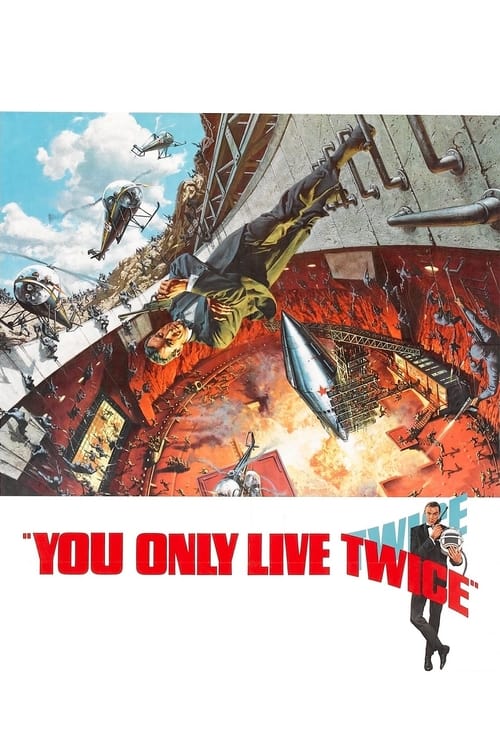
If you want to understand why people still talk about this movie, skip the first hour and go straight to the volcano. The set design by Ken Adam is the real protagonist here. It’s a massive, practical masterpiece that makes modern CGI backgrounds look like cheap wallpaper. Seeing a full-scale rocket base hidden inside a mountain is spectacular, and it’s the primary reason the film hasn't been buried by history.
But here’s the friction: to get to that volcano, you have to sit through a plot that is essentially a series of loosely connected travelogue segments. The story about space capsules being "swallowed" in orbit was high-stakes in 1967, but today it feels thin. If your kid is used to the relentless pacing of a Mission: Impossible or a Marvel movie, they are going to be bored for long stretches. Bond spends a surprising amount of time just walking around Japan, looking at things, and having very slow conversations.
The Blueprint for Every Parody
You can’t watch this movie without seeing Austin Powers. This is the film that gave us the "Dr. Evil" archetype. When Blofeld finally reveals himself—complete with the facial scar, the Nehru jacket, the white cat, and the pool of piranhas—it’s impossible not to laugh. It has crossed the line from serious spy thriller into pure camp.
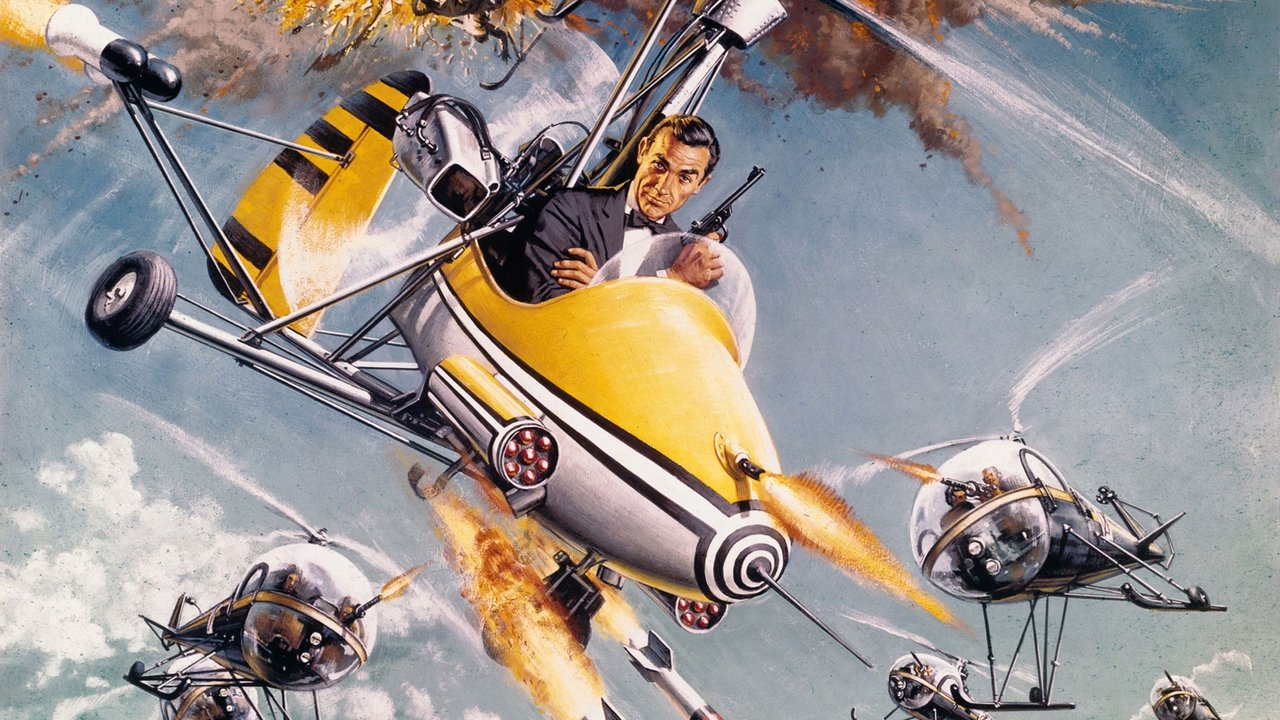
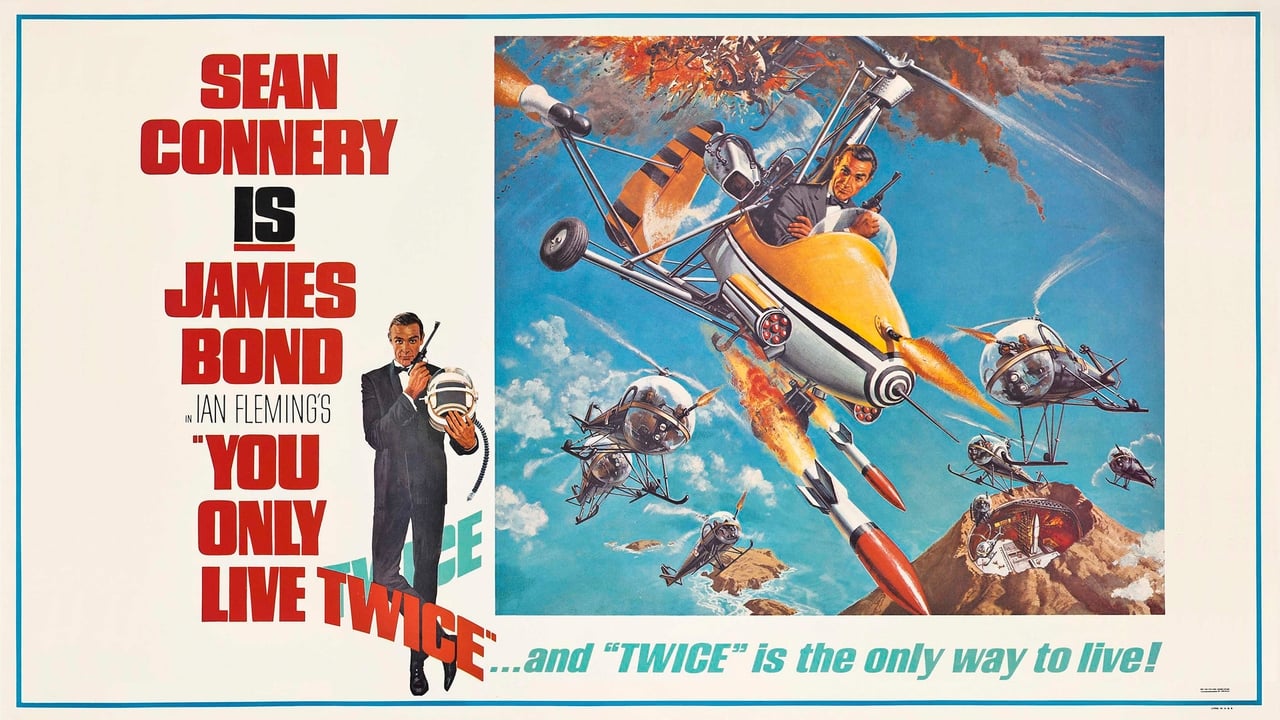
For a teenager, this can actually be a fun way to engage with the movie. It’s a lesson in how tropes are born. We see the gadgets, like the "Little Nellie" autogyro (a tiny one-man helicopter), and the over-the-top villainous lair that would eventually become a cliché. If you’re trying to decide if 007 is okay for your middle schooler, keep in mind that the "cool" factor here is very retro. It’s more about the style and the hardware than the actual tension.
The Cultural Friction
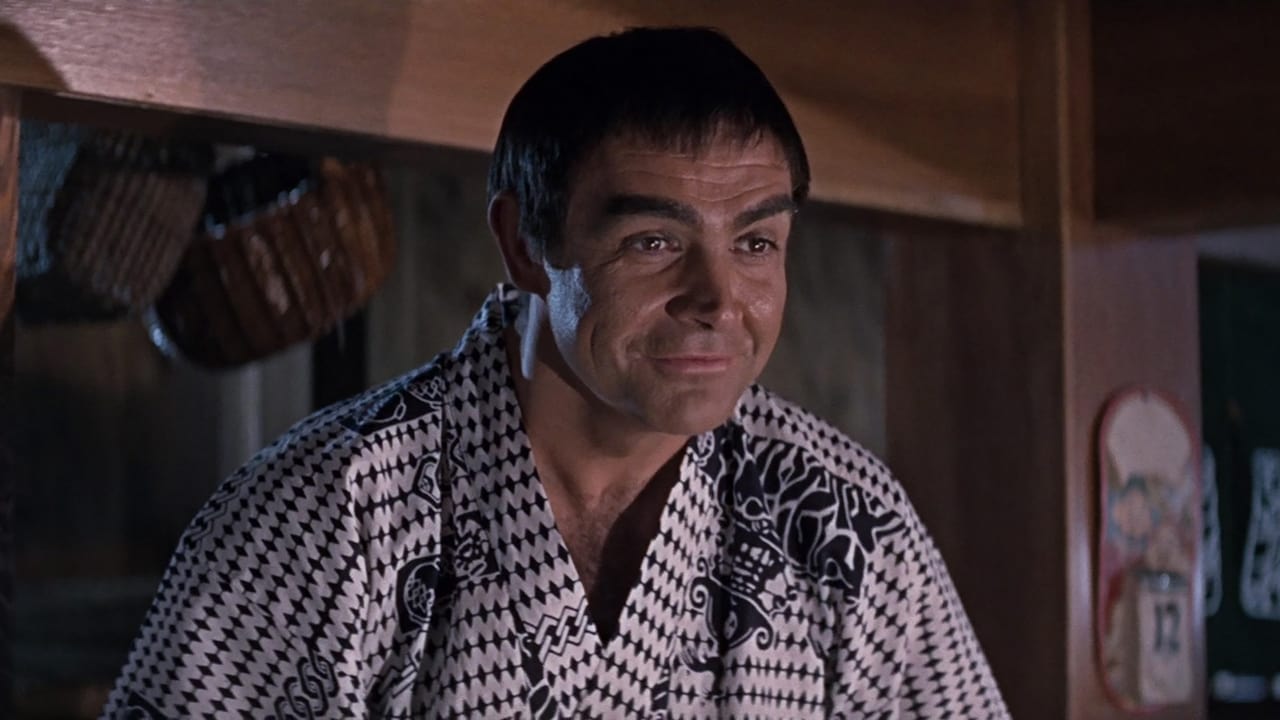
We have to talk about the middle act. The sequence where Bond goes "undercover" as a Japanese fisherman is the biggest hurdle for a modern audience. It isn't just the offensive makeup; it’s that the entire subplot is useless. It adds nothing to the mission and drags the movie to a screeching halt.
When you’re watching this with a teen, this is the moment where the "intentional" part of Screenwise parenting kicks in. You don't need to give a lecture, but it’s worth pointing out how the movie treats Japan as an "exotic" backdrop rather than a real place. The film is obsessed with the idea of being modern—showing off gadgets and space tech—yet it’s anchored in some very regressive ideas about race and gender.
If Your Kid Liked...
If your kid grew up on The Incredibles, they will recognize the DNA of Syndrome's island here. That movie was a love letter to this specific era of Bond. However, the transition from modern animation back to 1960s live-action is a steep one.
- For the tech geek: The "Little Nellie" aerial dogfight is still a great piece of practical filmmaking. It’s one of the few moments where the movie’s energy actually matches its ambition.
- For the historian: This is a peak Cold War artifact. The idea that a third party could trick the US and the USSR into nuclear war was a very real fear, and seeing it played out with ninjas and space-grabbers is a trip.
Ultimately, this is a "vibe" movie. If you can appreciate the 1960s aesthetic and the incredible production design, there’s enough here to justify a viewing. But if you’re looking for a tight, coherent action movie, you’re better off looking elsewhere in the franchise. This one is for the completionists who want to see where the extravagance of the series truly began.