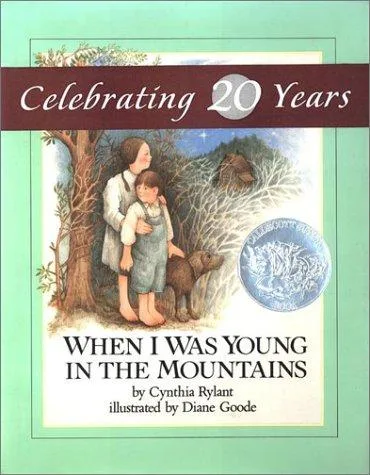
Cynthia Rylant’s prose in When I Was Young in the Mountains is a masterclass in how to write for children without talking down to them. She uses specific, concrete details—the taste of cornbread, the feel of the swimming hole, the sound of the pump—to create a world that feels lived-in.
For parents following the Reading Rope framework, this book is a heavy hitter for the 'background knowledge' strand. Most kids today have no concept of life without indoor plumbing or electricity, and this book introduces those concepts through a lens of abundance rather than lack. It shows a family that is 'rich' in the ways that matter to a child: presence, safety, and shared rituals.
Why the art matters
Diane Goode’s illustrations are what earned this the Caldecott Honor. They have a misty, nostalgic quality that matches the text perfectly. They aren't sharp or neon; they are soft and пригласительный (inviting). In a media landscape that is often hyper-saturated and loud, sitting down with a book that looks like a watercolor dream is a genuine nervous-system reset for both the parent and the kid.
How to use it
Don't rush through this one. It’s meant to be read slowly. Point out the details in the kitchen scenes or the General Store. It’s a great bridge to talking about your own family history—ask your kid what they think you did when you were young, or better yet, have a grandparent read it to them. It’s one of those rare books that actually earns its 'classic' status by being genuinely pleasant to return to.