The Power of Wordless Literacy
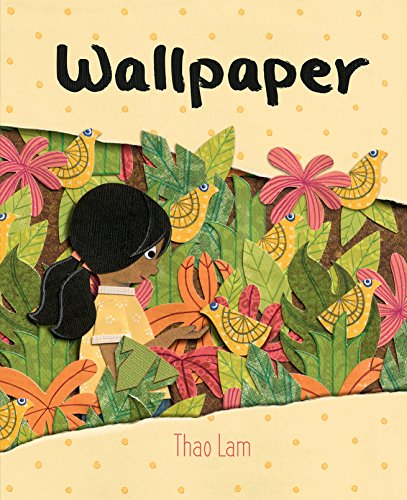
We often fall into the trap of thinking 'reading' only happens when eyes hit text. But according to the Reading Rope framework, language comprehension—understanding narrative, vocabulary, and structure—is just as vital. Wallpaper is a prime example of how a wordless book builds these strands. When a child 'reads' this book to you, they are practicing high-level storytelling skills: interpreting character motivation, predicting plot twists, and connecting visual metaphors.
A Visual Treat
Thao Lam's style is distinct. The book uses a paper collage technique that gives the pages a physical, 3D depth. The contrast between the muted, somewhat lonely 'real world' and the explosion of color in the 'wallpaper world' is a great way to talk to kids about how our internal lives can feel much bigger than our external ones.
It’s also a fantastic tool for kids with dyslexia or those who find decoding text frustrating. It keeps the desire to engage with books alive while their technical reading skills catch up. Instead of struggling with phonics, they get to be the expert on the story.
Navigating the 'New Kid' Jitters
The emotional arc here is subtle. The girl isn't just bored; she's paralyzed by the social barrier of being new. Watching her literally tear down a wall (the wallpaper) to find her own voice is a beautiful way to handle a topic that usually gets a much more heavy-handed treatment in children's literature. It’s quiet, it’s intentional, and it’s one of the best picture books released in the last decade.