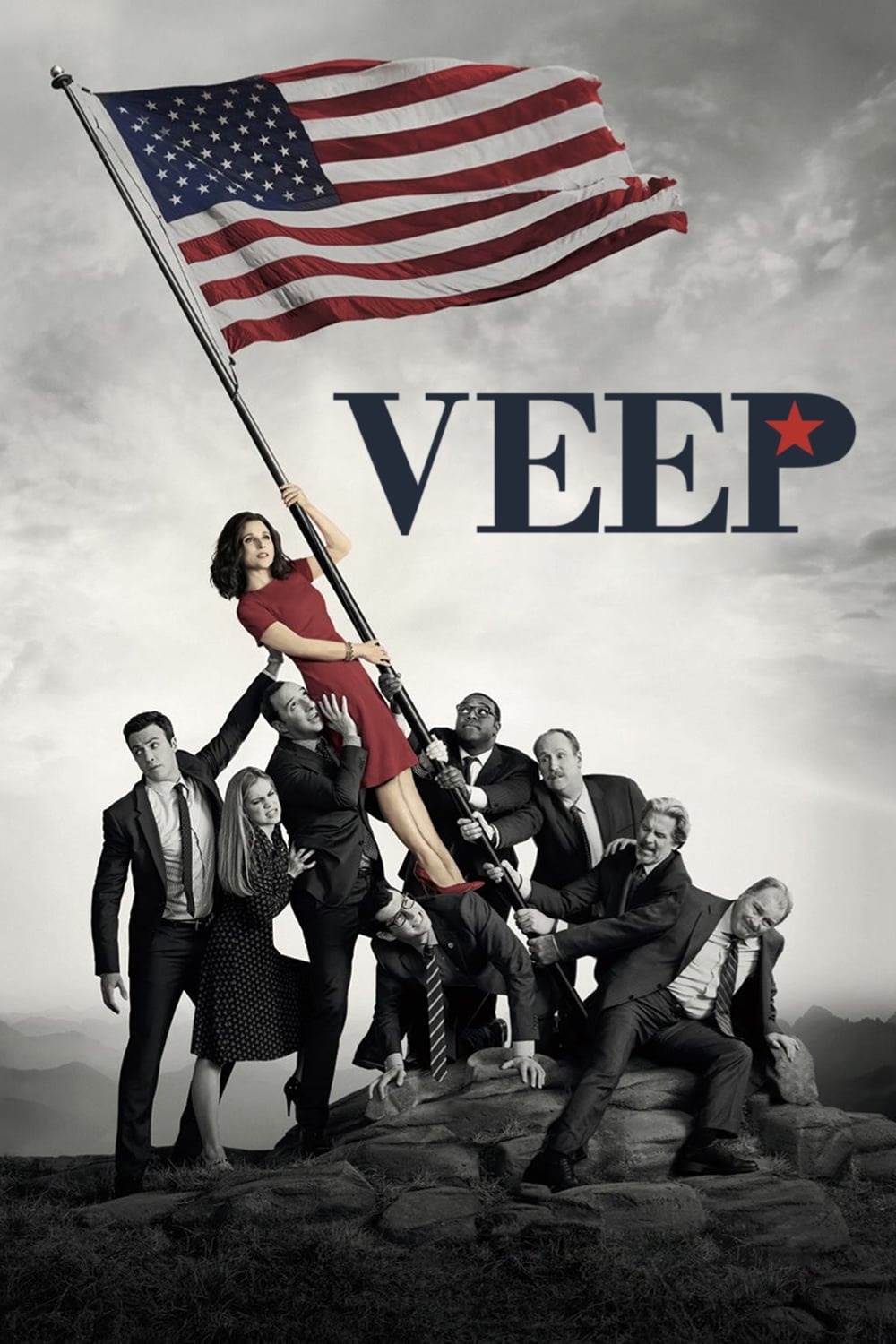
The Anti-West Wing
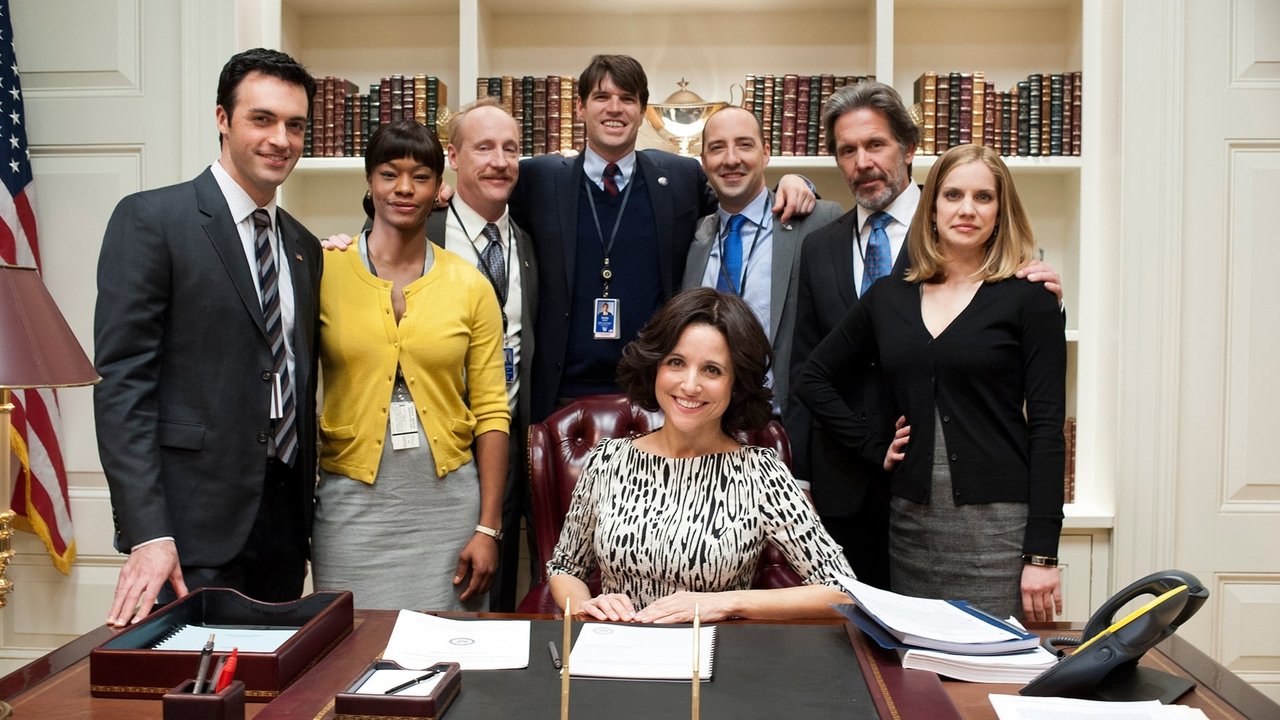
Aaron Sorkin gave people the fantasy of Washington: brilliant, hyper-articulate public servants walking quickly down hallways while arguing about constitutional ideals. Armando Iannucci and Julia Louis-Dreyfus gave us the reality: neurotic operatives huddled in cubicles trying to figure out which pastry choice won't alienate the midwest.
Veep works because it understands that modern politics is rarely an ideological battle. It is a communications crisis management firm run by people who desperately want to stay in the room where the cameras are pointed.
The Mechanics of the Insult
What sets the show apart from standard political sitcoms is its velocity. The scripts read like dense comedic poetry, weaponizing insults that are shockingly specific and deeply cruel. It turns bureaucratic frustration into an art form. Characters like Jonah Ryan exist purely to be verbally dismantled by everyone from senior strategists to the building security staff.
For a teenager interested in public policy or media literacy, watching Veep alongside the evening news is an eye-opening exercise. It deconstructs the stagecraft of politics—how a speech is hollowed out until it says nothing, how an apology is focus-grouped, and how easily genuine human concern evaporates the moment the polling numbers shift.
"I've met some of these people. They're not evil masterminds. They're just trying to survive until Friday."
When to Hit Play
Save this for older teens who have already grasped basic American civics and can appreciate satire without concluding that civic engagement is entirely pointless. The language is intense, the sexual references are blunt, and nobody learns a wholesome lesson at the end of the half-hour. But as an autopsy of modern political vanity, it remains untouched.