The Starchild and the Soap Opera
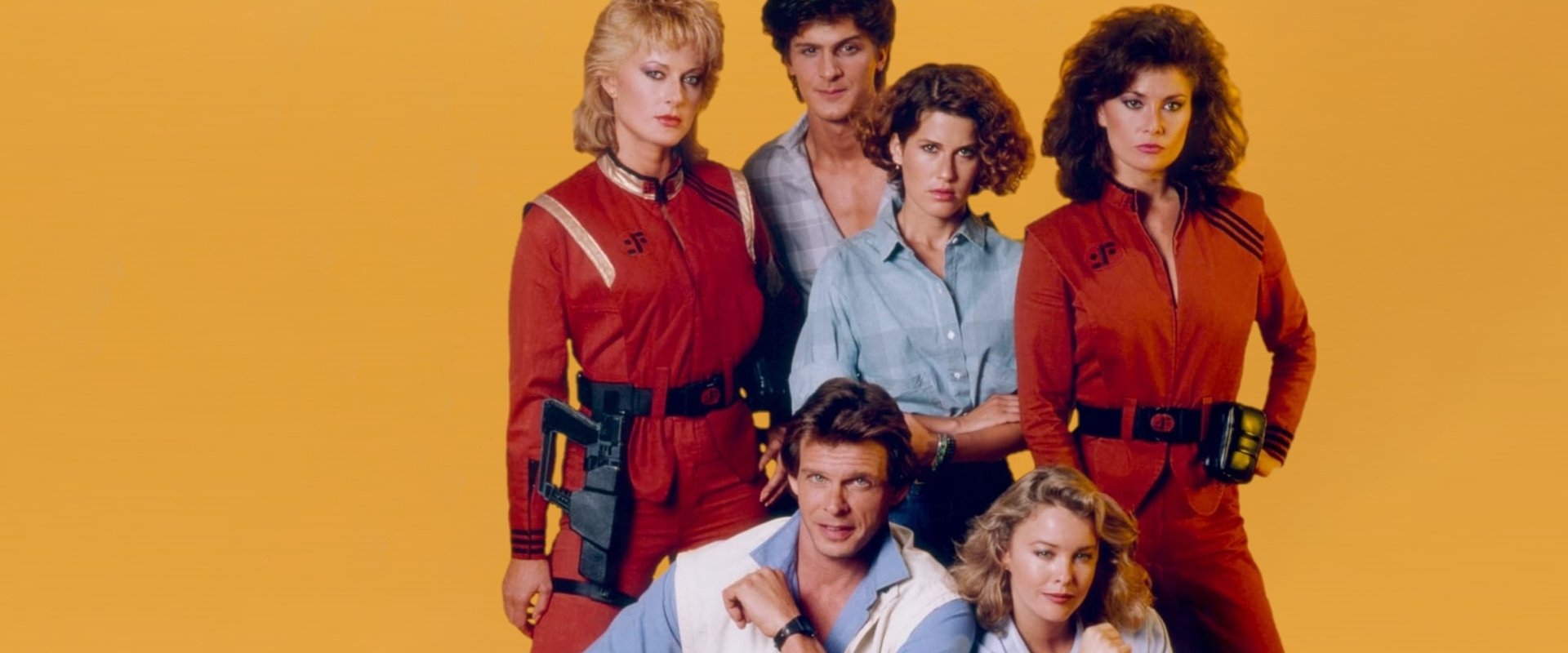
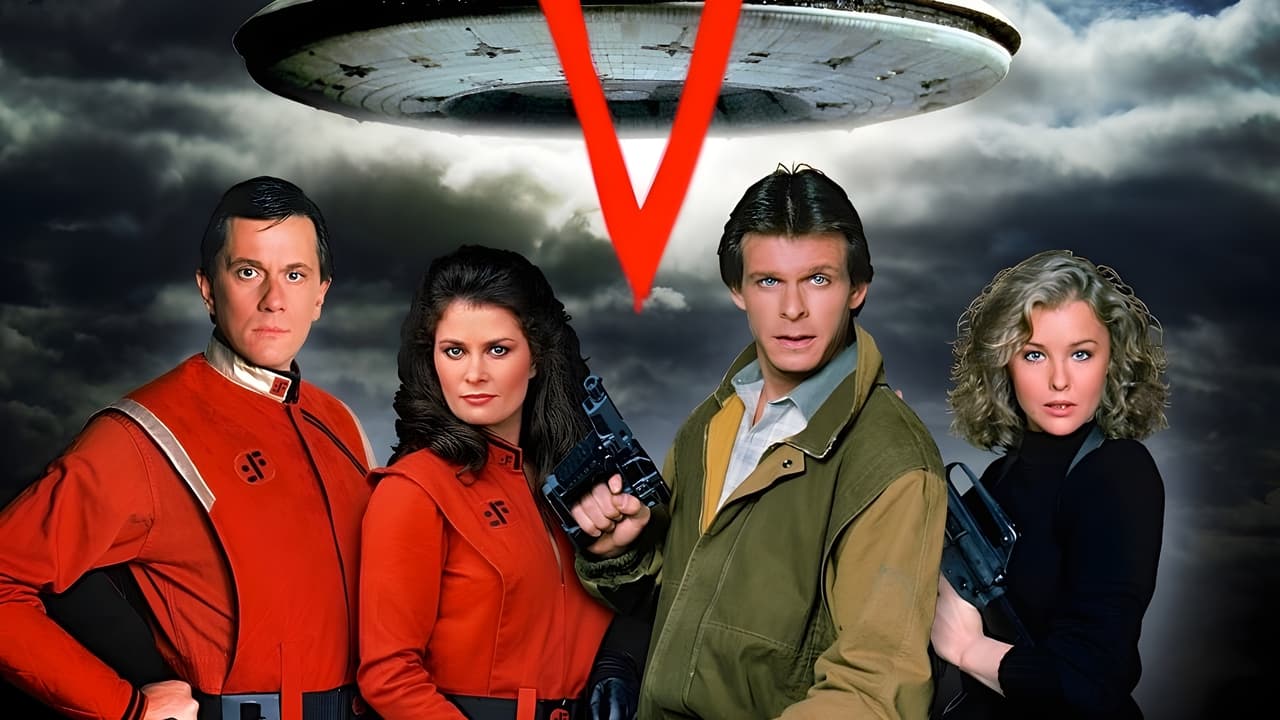
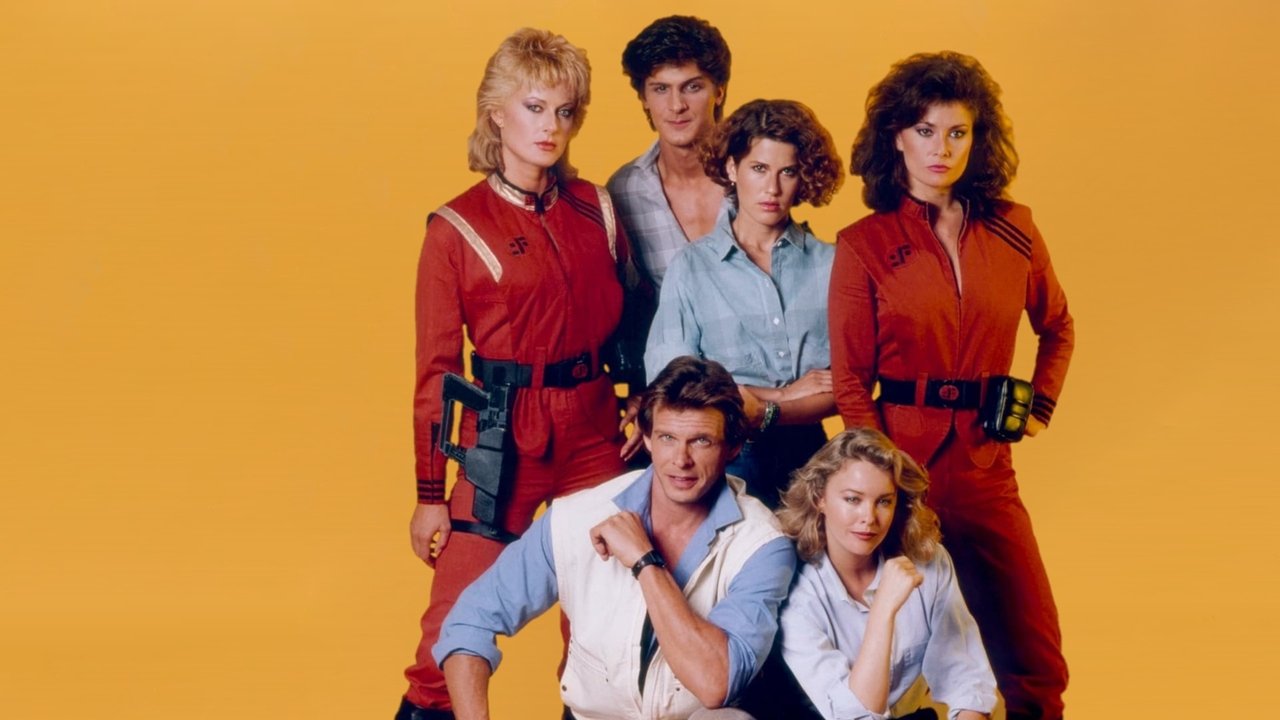
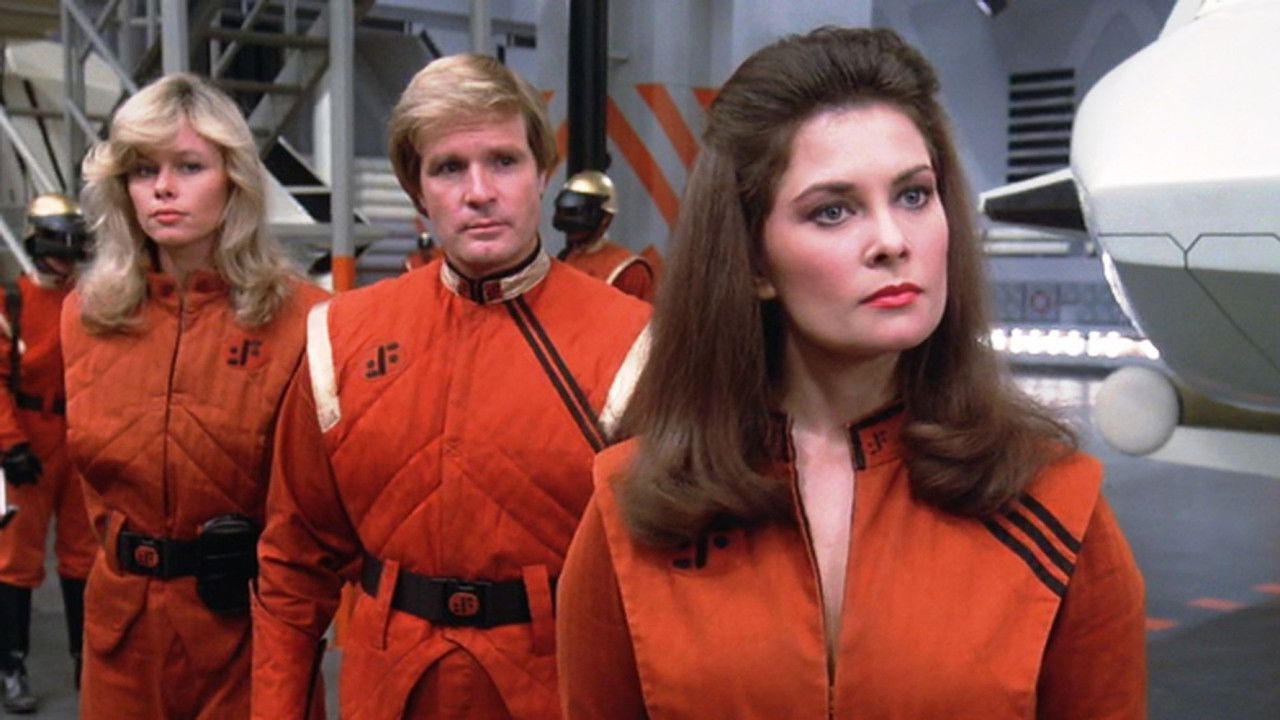
The 1984 version of V is where the franchise took a hard turn into weird, supernatural territory. While the original miniseries was a lean allegory for the Nazi occupation, this series focuses heavily on the Starchild—a half-human, half-alien hybrid. This shifts the vibe from a gritty resistance story to something closer to a sci-fi soap opera. For a modern teen, this transition is going to feel bizarre. The pacing doesn't snap like a modern thriller; it lingers on dramatic stares and 80s synth swells that can make a single episode feel like a feature film.
The "Lizard" Friction
If your kid is used to the seamless CGI of upcoming Marvel movies, the practical effects here will be a massive shock. We’re talking about actors peeling off "skin" that looks like spray-painted latex and aliens eating hamsters that are clearly puppets. There is a specific kind of body horror here—the lizard reveals and the hybrid birth scenes—that was genuine nightmare fuel for kids in the 80s. Today, it’s mostly campy.
The real friction for a parent isn't the "gore," but the boredom. The show relies on a very specific 80s TV rhythm where plot points are repeated and the action is staged like a stage play. If you're trying to find something with actual momentum, you're better off checking our guide to the 2026 fantasy TV glut to find something that won't result in your teen scrolling through TikTok five minutes after the opening credits.
Why the History Matters
Despite the rubber masks, the core of V is about how a population slowly accepts authoritarianism. It’s about propaganda and the "Visitor Youth" programs the aliens use to recruit human kids. That part is still chilling. If you have a student who is currently into history or political science, this is a fascinating case study in how pop culture processed the 20th century's darkest moments through a sci-fi lens.
You don't watch this for the thrills anymore; you watch it to see the DNA of modern resistance stories. But unless you have a high tolerance for shoulder pads and glacial plot development, this is a museum piece best left on the shelf.