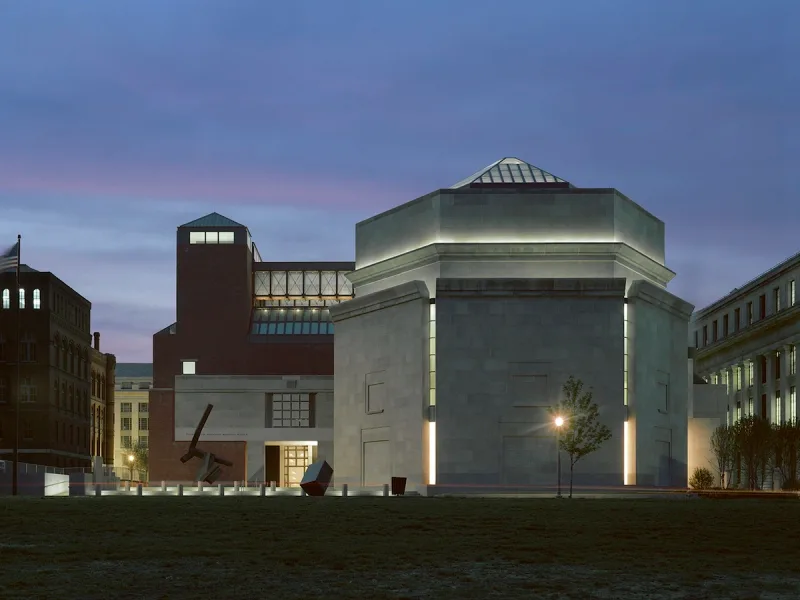
US Holocaust Memorial Museum

US Holocaust Memorial Museum

Website

WISE
84%

WISE Score

The definitive, unflinching digital archive of the Holocaust—essential history that demands a parent in the room.

Screenwise Verdict

The USHMM website is one of the most important corners of the internet. It is the antithesis of 'brain rot'—it is rigorous, deeply human, and profoundly sobering. However, it’s not a site you just hand to a kid to 'explore' while you're in the other room.

This is a 'do it with them' resource. It is designed for education, not entertainment, and the safety risks aren't about strangers or ads—they're about the psychological weight of the content. If your kid is doing a school project or asking big questions about human rights, this is where you go together.

Age Fit

Best for ages 12 and up. While the Daniel's Story section is designed for middle schoolers, the rest of the archive is unflinching and requires a level of maturity to handle the graphic historical realities.

WISE Breakdown
Wholesome
75

The tone is profoundly respectful and dignified. It manages to document human atrocity without being exploitative, though the subject matter is inherently the opposite of 'light' or 'happy.'

Imaginative
62

While it's a factual archive, the primary source materials—letters, diaries, and photos—invite a high level of historical empathy and 'what would you do' critical thinking.

Safe
55

Technically safe (no ads, no tracking, no social toxicity), but content-wise it is intense. A kid can easily click into graphic historical footage or photos of mass graves. Unsupervised use is not recommended for younger or sensitive kids.

Enriching
98

This is the gold standard for historical literacy. It doesn't just teach dates; it analyzes propaganda, human behavior, and the mechanics of genocide. It is an essential resource for developing a conscience.

Parent Info
✓

Why It Might Be Great

  • Gold-standard primary sources including survivor testimonies, diaries, and high-resolution artifacts that make history feel tangible.
  • Sophisticated analysis of how propaganda works and why ordinary people make certain choices, which translates directly to modern media literacy.
  • Daniel's Story provides a curated, age-appropriate entry point for younger students (middle school) to engage with the history without being immediately overwhelmed.
  • Scholarly vetting ensures that everything your kid reads here is historically accurate and free from the 'slop' or misinformation found on social feeds.
⚠

What to Watch For

  • Graphic imagery is unavoidable; the site contains historical photos and films of victims, medical experiments, and camps that can be deeply traumatic if stumbled upon without context.
  • Emotional fatigue is real—this isn't a site for a quick 10-minute browse. It's heavy, and kids might need time to process what they're seeing.
  • Adult-targeted research areas: much of the site is designed for scholars and undergraduates, so younger kids might get lost in the academic language without guidance.

Conversation Starters

  • "What did you notice about how the propaganda posters tried to make people think a certain way?"
  • "Why do you think it's important to hear the specific stories of individuals like Daniel, rather than just hearing the total numbers?"
  • "If you saw someone being treated unfairly today, what are some of the 'small' ways people can stand up for each other?"
  • "How does seeing the actual letters and shoes of people from that time change how you think about history?"

Ask Anything

Get a personalized guide on any topic