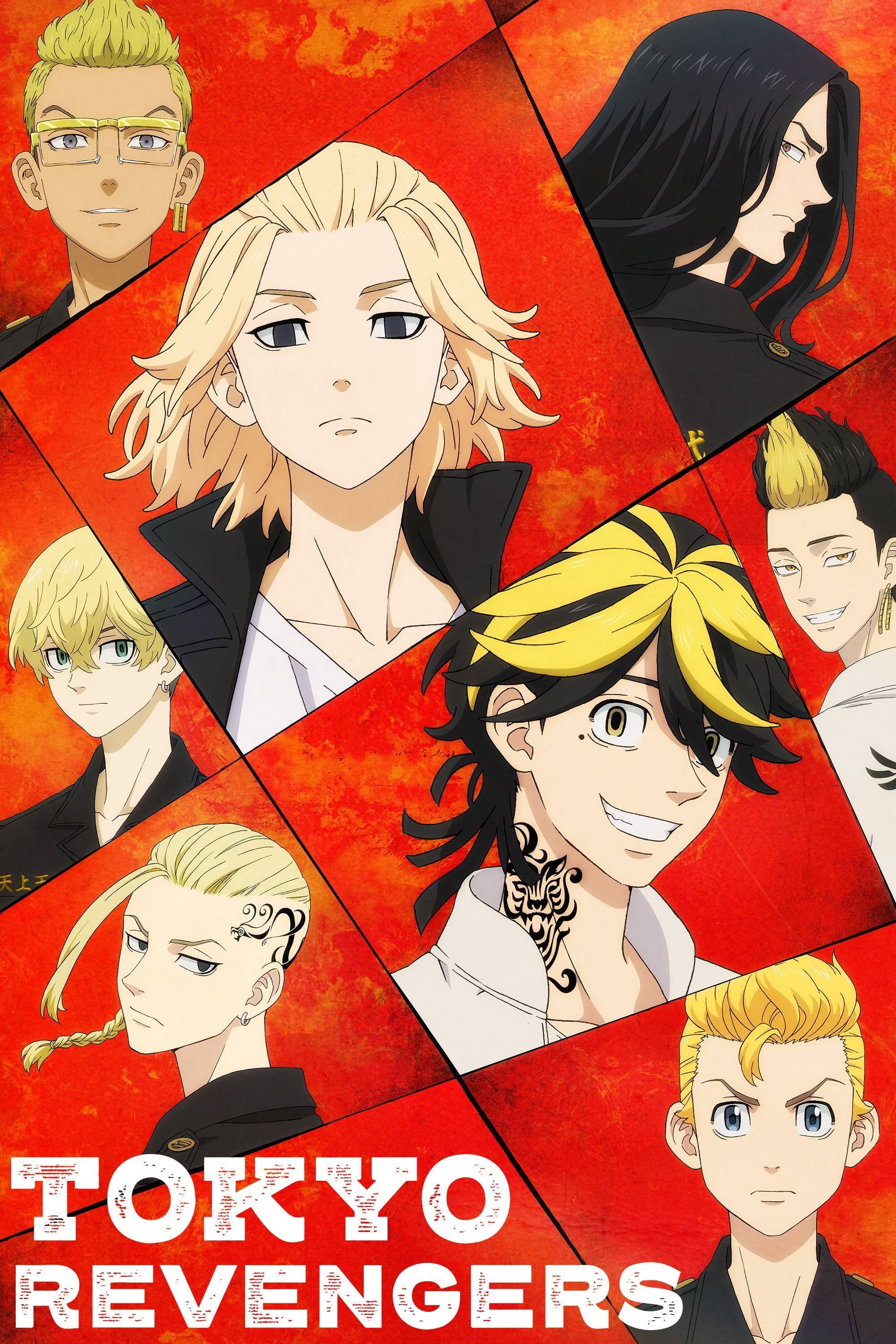
Time Travel Meets Delinquent Drama
Japanese pop culture has an entire genre dedicated to bosozoku (motorcycle gang) and yankee (delinquent) youth culture. Usually, these shows boil down to stylized schoolyard turf wars. Tokyo Revengers stands out because it roots all that posturing inside a time-travel mystery where actions have lethal, adult consequences.
Takemichi isn't an action hero. When he jumps back 12 years into his teenage body, he retains the memories of an adult who threw his life away. His only weapon against towering, violent gang leaders is sheer persistence. That dynamic gives the fights real emotional weight: he is usually getting pummeled, but he stays standing because someone else's life is on the line.
The Visual Controversy
The central gang calls itself the Tokyo Manji Gang. Their banner and jackets feature the manji (卍), an ancient Buddhist symbol of prosperity and good fortune. Because it mirrors the Nazi swastika, international distributors scrambled to edit it. Depending on where you stream the show, you might notice awkward camera crops, blurred frames, or sudden cuts to black during gang rallies.
If you watch this with a teen, it is worth explaining the symbol before they see it on unedited clips across TikTok or YouTube. It is not an endorsement of fascism; it is a historical Japanese symbol that predates modern hate groups by centuries, but the visual shock is real without that context.
Who It Fits
If your teen loved the high-stakes puzzle mechanics of Death Note or the intense combat dynamics of Jujutsu Kaisen, they will likely binge this in a weekend. If they are sensitive to seeing kids in genuine physical peril or get turned off by grim melodrama, skip it.