The Last of the True Epics
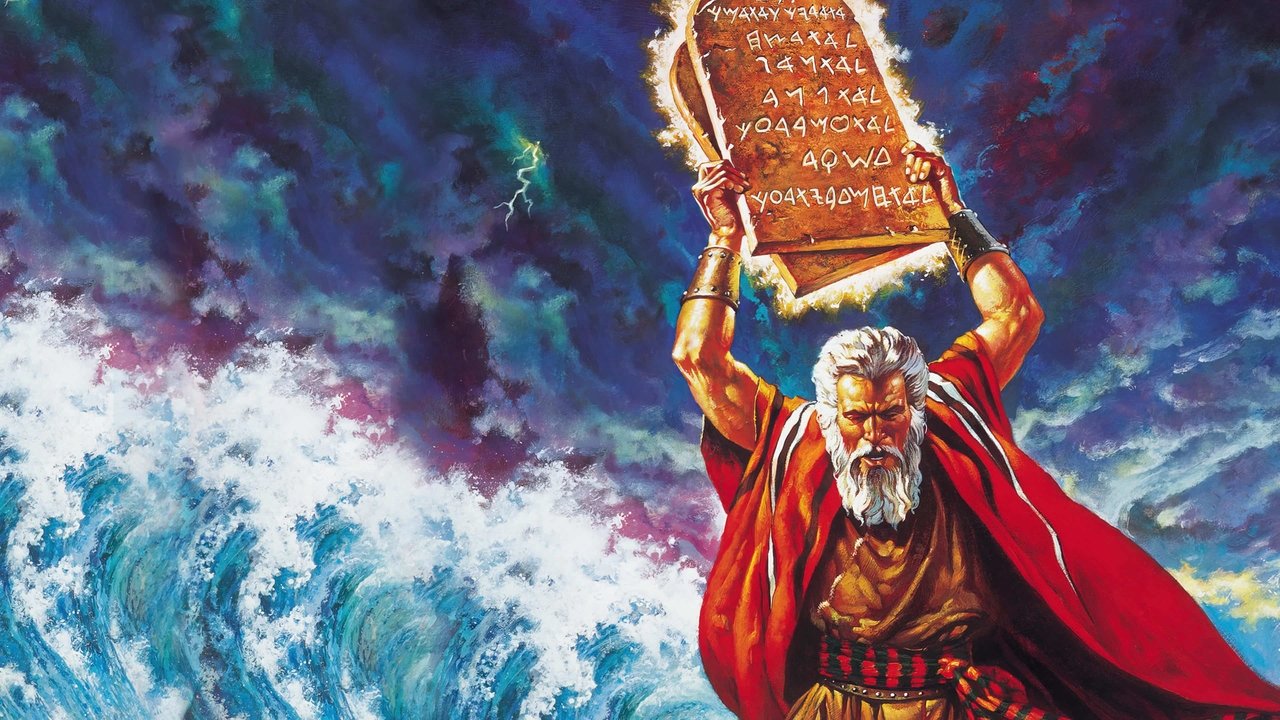
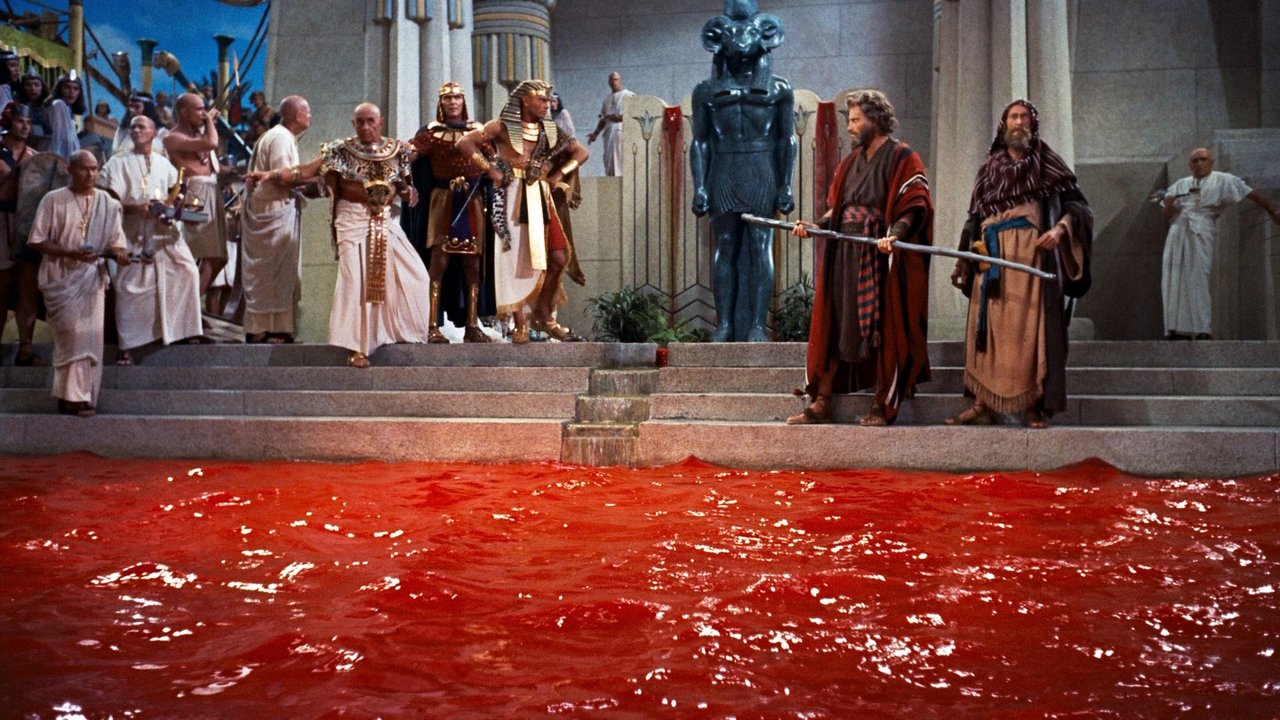
In 2026, we're used to 'epic' meaning a guy in a green-screen room fighting a digital monster. The Ten Commandments is a reminder of what the word used to mean: building actual cities on location and hiring enough people to fill them. Cecil B. DeMille wasn't just making a movie; he was staging a historical reconstruction with the budget of a small nation.
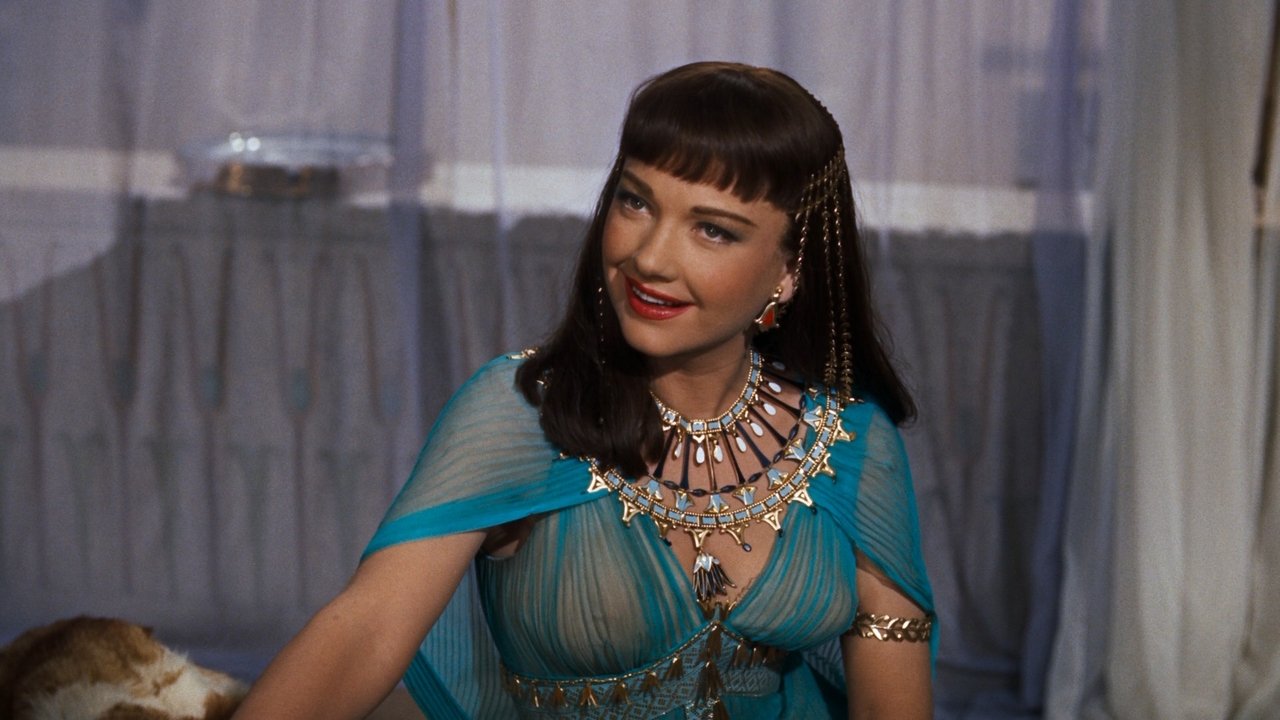
For a modern kid, the first hour might feel like a slow-moving costume drama. The dialogue is stiff, the hair is perfectly coiffed even in the desert, and everyone speaks in pronouncements rather than sentences. But once the plagues start, the movie shifts into a different gear.
Practical Magic
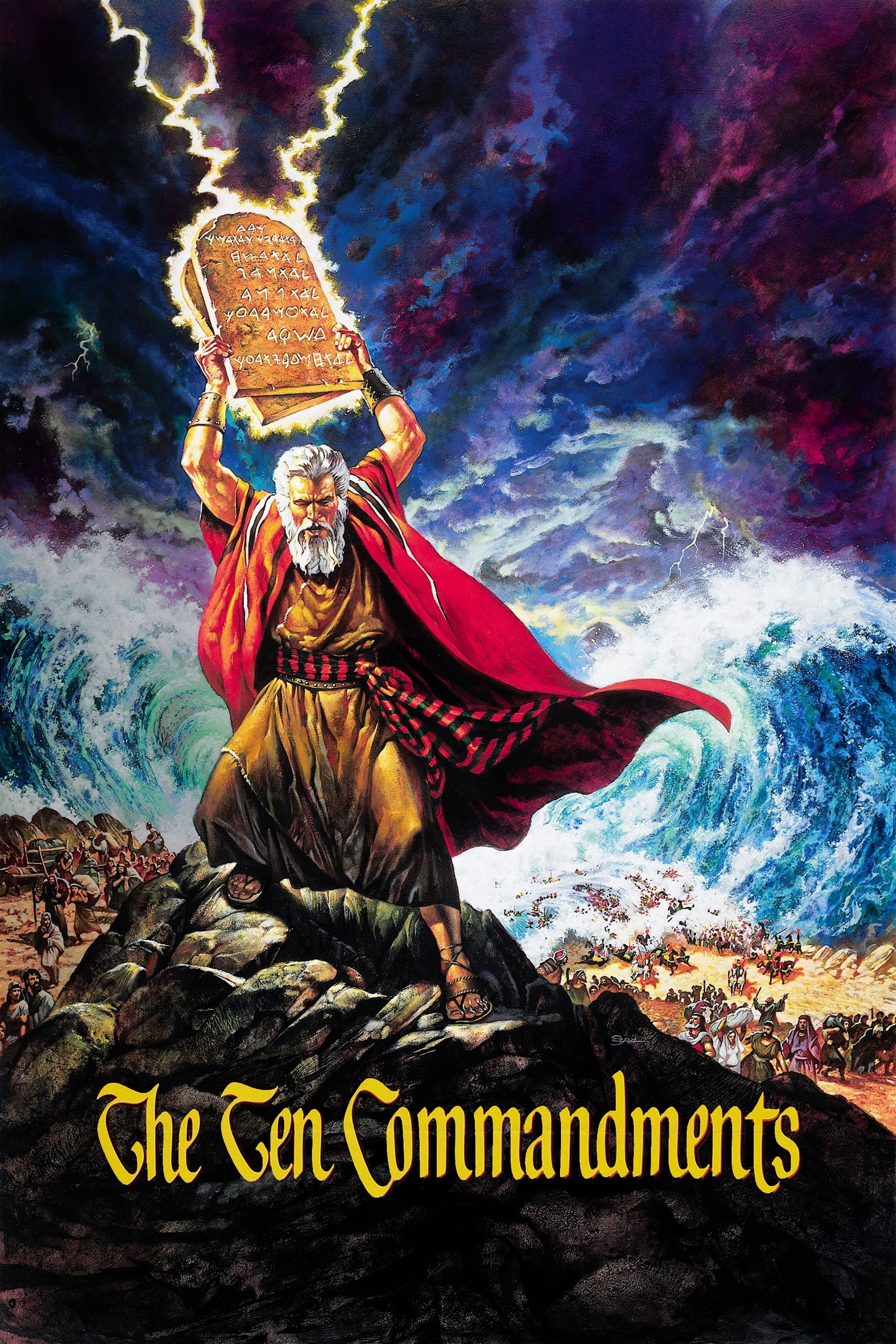
The special effects are the real reason to watch this. The parting of the Red Sea was achieved by pouring 300,000 gallons of water into a tank and then playing the footage backward. It has a physical weight to it that CGI often lacks. If your kid is a fan of 'behind the scenes' content or likes knowing how things are built, this movie is a goldmine for discussing the history of cinema.
The Intermission is Your Friend
Don't be a hero. This movie was released with an actual intermission for a reason. Use it. If you treat this like a two-part event, the pacing feels much more manageable. It’s also a great opportunity to talk about the 'Old Hollywood' style—the music, the overture, and the sheer theatricality of it all. It’s a piece of history that, despite its age, still has the power to make a kid say 'whoa' when the water starts moving.