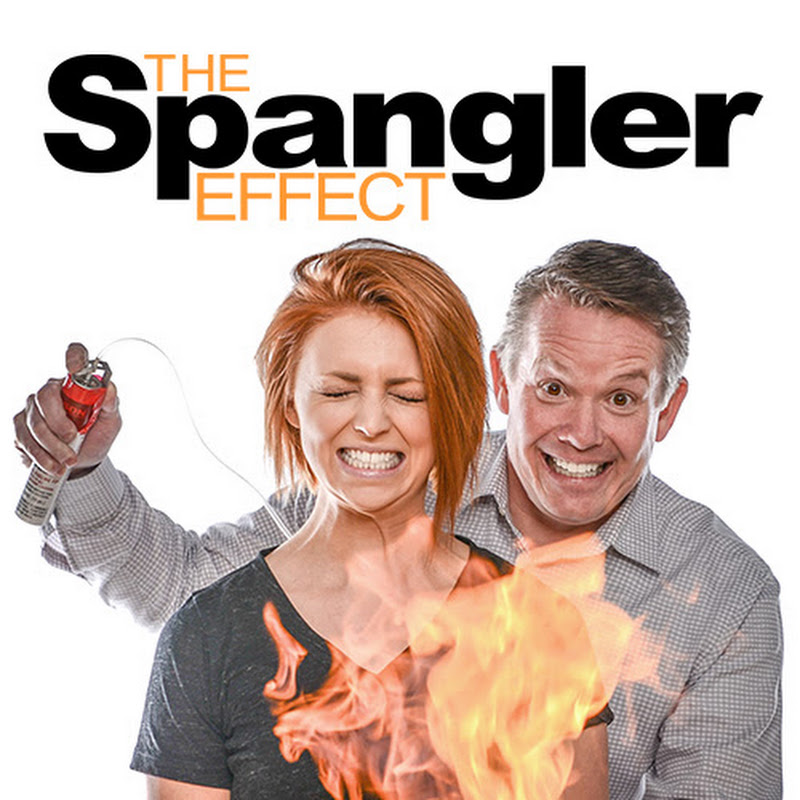
Science as a Spectacle
Steve Spangler’s whole brand is built on the idea that if you don't 'wow' them first, you'll never teach them anything. The Spangler Effect was a specific moment in YouTube history where Google tried to turn the site into a legitimate television competitor. Because of that, the production value is higher than your average home-science channel, and the pacing is deliberate.
Why it holds up in 2026
While the resolution might not be 8K, the science hasn't changed. The physics of an air cannon or the chemistry of a polymer reaction are timeless. In a world of 'slop' content—those weird, AI-generated or low-effort craft videos—Spangler’s channel stands out because he is a legitimate educator. He knows the 'why' behind the 'whoa.'
The Parent's Role
This isn't a 'set it and forget it' channel. If you let your kid watch this solo, they are going to come to you five minutes later asking for three liters of hydrogen peroxide and a blowtorch. The best way to use The Spangler Effect is as a weekend menu. Watch an episode together on Friday night, pick one experiment, and hit the grocery store for supplies on Saturday morning.
Comparing to the New Guard
Compared to modern giants like Mark Rober, Spangler is more focused on the classroom application. Rober is about the engineering of a massive project; Spangler is about the fundamental principle you can demonstrate on a coffee table. Both are great, but Spangler is often more 'repeatable' for the average family. It’s less about watching someone else do something cool and more about giving you the instructions to be the cool one yourself.