The Song of Bernadette

The Song of Bernadette

movie

Approved, 1943, Biography, Drama

WISE
62%

WISE Score

87

Avg. Tomatometer

Jennifer Jones shines in this reverent 1943 biopic about the girl who saw visions at Lourdes—beautiful, slow, and very, very Catholic.

IMDb7.6
RT Critics87%
Common Sense Media
Where to Watch
Loading streaming options...
Screenwise Verdict

The Song of Bernadette is a beautifully crafted, Oscar-winning classic that tells the true story of Saint Bernadette with reverence and grace. Jennifer Jones is luminous, the cinematography is lovely, and the themes of faith, courage, and humility are genuinely moving.

But let's be real: this is a 156-minute black-and-white film from 1943 with the pacing of a Sunday sermon. Modern kids—even those raised on slower, thoughtful content—are going to find this tough. It's not boring because it's bad; it's boring because it's from another era of filmmaking entirely.

If your family is Catholic, studying saints, or genuinely interested in historical religious drama, this is a meaningful watch. For everyone else, it's a hard sell. The WISE components are strong—it's safe, wholesome, and enriching—but the watchability penalty is real. This is a film for a very specific audience in 2025.

Age Fit

Common Sense Media says 7+, and that's fair for content—nothing scary or inappropriate. But realistically, this is for older kids (10+) or adults who have the patience for slow, reverent, 1940s cinema and an interest in religious history. Younger kids will zone out hard.

WISE Breakdown
Wholesome
82

A reverent, gentle portrayal of faith and conviction. Jennifer Jones brings simplicity and dignity to Bernadette, modeling quiet courage in the face of skepticism. The film treats its young protagonist with respect, showing her family's concern and the community's divided response without sensationalism. Pacing is deliberate—this is 1940s cinema—but the emotional tone is consistently warm and supportive of its heroine.

Imaginative
58

This is a straightforward biographical drama based on real events. The vision sequences are handled with restraint rather than visual spectacle. There's little room for creative interpretation or exploration—it's a faithful, earnest retelling of a historical religious experience. The mystery element comes from whether others will believe Bernadette, not from imaginative world-building. For 1943, the cinematography was accomplished, but it doesn't invite the kind of curiosity or creative engagement modern kids expect.

Safe
88

Common Sense Media rates this for age 7, and that tracks. No violence, gore, sexuality, or profanity. The film deals with religious skepticism and Bernadette eventually becomes ill (she dies young historically, though the film handles this with dignity). The conflict is verbal and social—townspeople doubt her, authorities interrogate her—but nothing traumatic or shocking. The jealousy subplot at the convent is mild. This is classic Hollywood religious drama: reverent, careful, appropriate for family viewing.

Enriching
72

A window into 1850s France, Catholic history, and the real story of Saint Bernadette of Lourdes. The film explores themes of faith versus skepticism, standing firm in your truth despite opposition, and the tension between religious and civil authority. It offers genuine ethical weight—Bernadette's humility and persistence are compelling. However, the enrichment is narrow: this is specifically a religious biopic that will resonate most with families who share that framework. The 156-minute runtime and slow pacing also limit how much modern kids will absorb.

Parent Info

Why It Might Be Great

  • A genuinely moving portrayal of faith, humility, and standing up for what you believe despite widespread doubt
  • Jennifer Jones won the Oscar for her performance—she brings real warmth and dignity to Bernadette
  • A rare chance to see classic Hollywood craftsmanship and learn about an actual historical figure and pilgrimage site
  • Safe, gentle, and appropriate for young viewers interested in religious stories or historical drama
  • Explores the tension between belief and skepticism in a way that's thought-provoking without being preachy

What to Watch For

  • This is a 156-minute film from 1943—expect slow pacing, long scenes, and dialogue-heavy storytelling that will test modern attention spans
  • Deeply religious content; the entire film is about Catholic faith and miracles, so it's a niche fit for families who share or are curious about that worldview
  • Bernadette's illness and death are part of the story (handled gently, but it's there)
  • The film is in black and white with 1940s acting styles—kids used to Marvel and Pixar may find it borderline unwatchable

Conversation Starters

  • "Why do you think people didn't believe Bernadette at first? Have you ever felt like no one believed you about something important?"
  • "What do you think it would feel like to see something no one else could see? Would you tell people, or keep it to yourself?"
  • "The movie shows how Bernadette stayed calm and kind even when people were mean to her. How do you think she did that?"
  • "Do you think it's harder to believe in something you can see, or something you can't?"

Deep Dive

Beyond the Sunday school vibe

If you hear "1940s movie about a saint," you probably picture something stiff, dusty, and aggressively preachy. While The Song of Bernadette is definitely reverent, it’s also a high-stakes political thriller in disguise. This isn't just a girl praying in a cave; it’s a story about a teenager who accidentally starts a localized revolution and has to face down the entire French government and the high-ranking clergy to prove she isn't lying.

The film works because it doesn't treat the skeptics like cartoon villains. You see the logic of the town officials who think she’s a fraud and the parents who are genuinely terrified their daughter is losing her mind. It captures that specific friction of being a kid who knows something to be true while every adult in the room is trying to gaslight you into "sanity."

The Jennifer Jones effect

The main reason this movie holds an 87 on Rotten Tomatoes over eighty years later is Jennifer Jones. She won an Oscar for this role, and you can see why the moment she’s on screen. She plays Bernadette with a sincerity that never feels sugary or fake. If the performance were even 10% more dramatic, the movie would fall apart under its own weight. Instead, she’s quiet and steady, which makes the moments when she stands up to the authorities feel much more powerful.

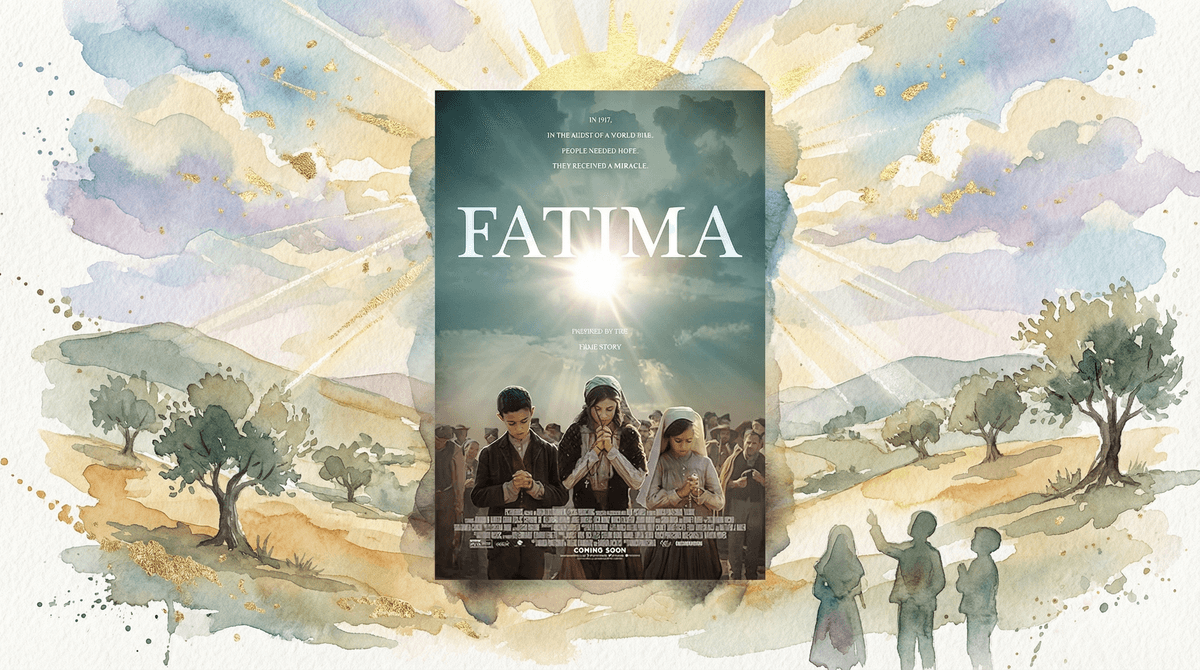
For a modern kid, this is a lesson in "quiet strength." In an era of loud, quippy protagonists, seeing a character who wins by simply refusing to change her story is a refreshing change of pace. If your family recently watched Fatima (2020): A Family-Friendly Faith Film Worth Watching, you'll recognize the DNA here. Both films deal with the fallout of a child claiming to see the divine, but Bernadette has that massive, sweeping Hollywood scale that only the 1940s could produce.

Managing the marathon

Let’s be real about the length. This is a very long movie. It was filmed in an era when audiences sat down for a "prestige event," and the pacing reflects that. If you try to watch this on a Tuesday night after soccer practice, everyone will be asleep by the one-hour mark.

To make this work for a 10-year-old, treat it like a miniseries. There is a natural break about halfway through when the initial "vision" conflict transitions into the aftermath and Bernadette’s later life in the convent. Breaking it into two sittings makes the dialogue-heavy scenes much more digestible.

It’s also worth noting that while the film is black and white, the cinematography is stunning. The way they use light and shadow—especially in the grotto scenes—is meant to feel miraculous. If your kid is into photography or art, point out how the camera focuses on Bernadette’s face. The movie is less about "seeing" the miracle ourselves and more about watching the effect it has on her.

If your kid liked "Wonder" or "Hidden Figures"

It sounds like a stretch, but if your kid responds to stories about an underdog who is right when the world says they’re wrong, they might actually connect with this. It’s the same emotional beat as Wonder or Hidden Figures: an individual who is overlooked or dismissed by society proving their worth through sheer persistence.

The religious elements are the core of the plot, but the human story is about integrity. Even for families who aren't religious, the film offers a great jumping-off point for talking about why people are so afraid of things they can't explain. Just be prepared for the ending—it’s a tear-jerker that leans heavily into the "biography" aspect of her life, including her illness. It’s handled with 1940s-era grace, but it’s a heavy finish for a long journey.

Ask Anything

Get a personalized guide on any topic