The 1979 Identity Crisis
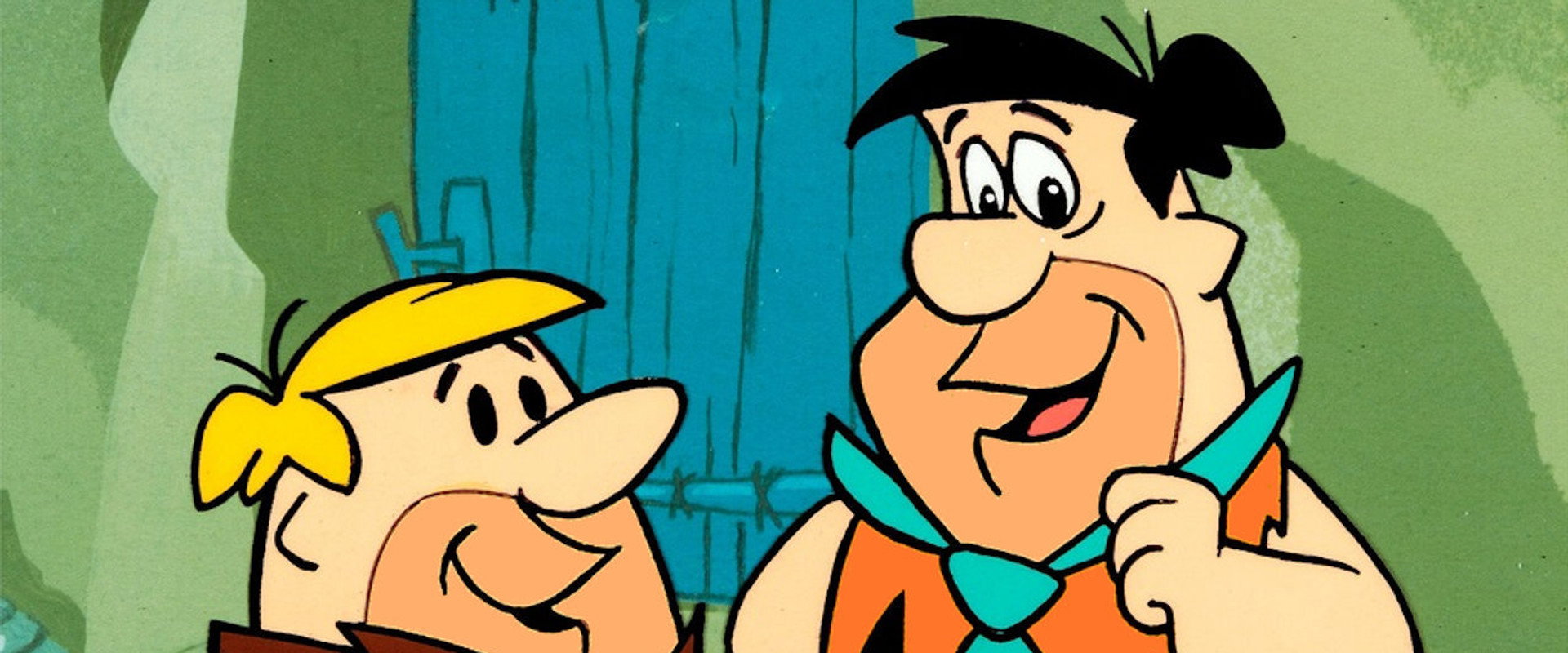
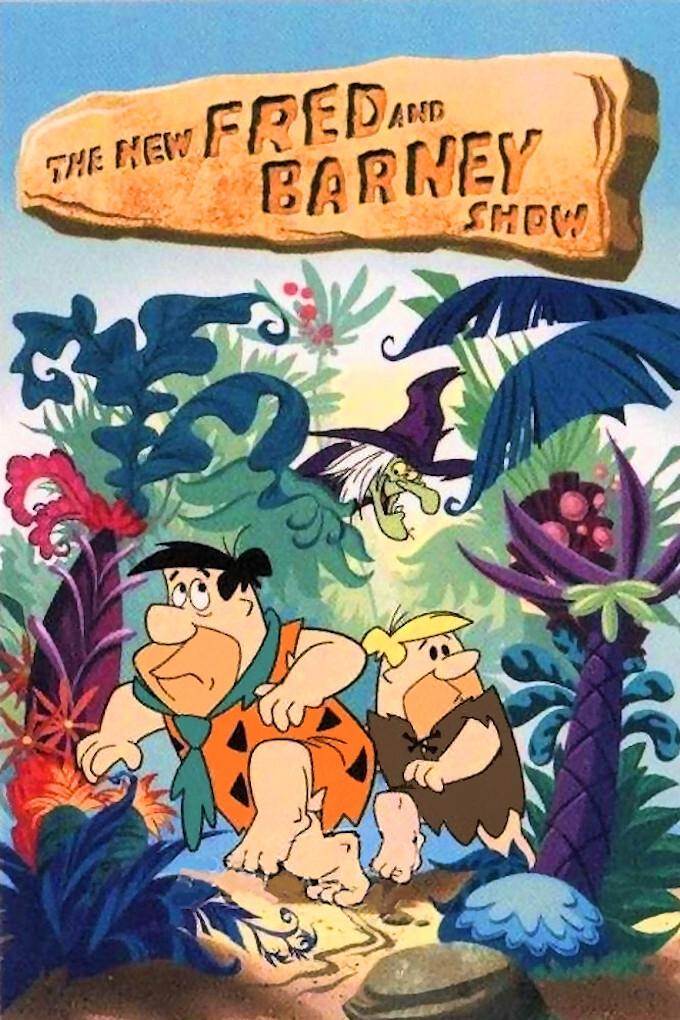
The New Fred and Barney Show arrived at a weird time for Hanna-Barbera. They were trying to recapture the magic of the original 60s show while simultaneously chasing Saturday morning trends. This led to some bizarre choices, like Fred and Barney meeting werewolves or dealing with disco-themed plotlines.
One of the most confusing things for families who watch various Flintstones iterations is the age of the kids. In the early 70s, Pebbles and Bamm-Bamm were teenagers. For this 1979 series, they were 'de-aged' back into toddlers to appeal to the Saturday morning demographic. It’s a classic example of 'network logic' over narrative consistency.
Animation and Voice Acting
This series is historically significant because it’s the first time Henry Corden took over the role of Fred Flintstone full-time after the original voice actor, Alan Reed, passed away. Corden did a fantastic job maintaining the character's booming presence, and for many Gen X parents, this is the Fred they remember. However, the animation quality took a hit. By 1979, Hanna-Barbera was leaning heavily into limited animation to save costs, so you'll see a lot of recycled backgrounds and static character models.
If your kid is a fan of the original series, they might enjoy this as 'more of the same.' But if you're trying to introduce Bedrock to a new generation, you're better off starting with the 1960-1966 run, which had better writing and more heart. This version is strictly for the completionists or for a lazy Saturday morning when you want something that requires zero mental effort.