Why this 1962 classic still works
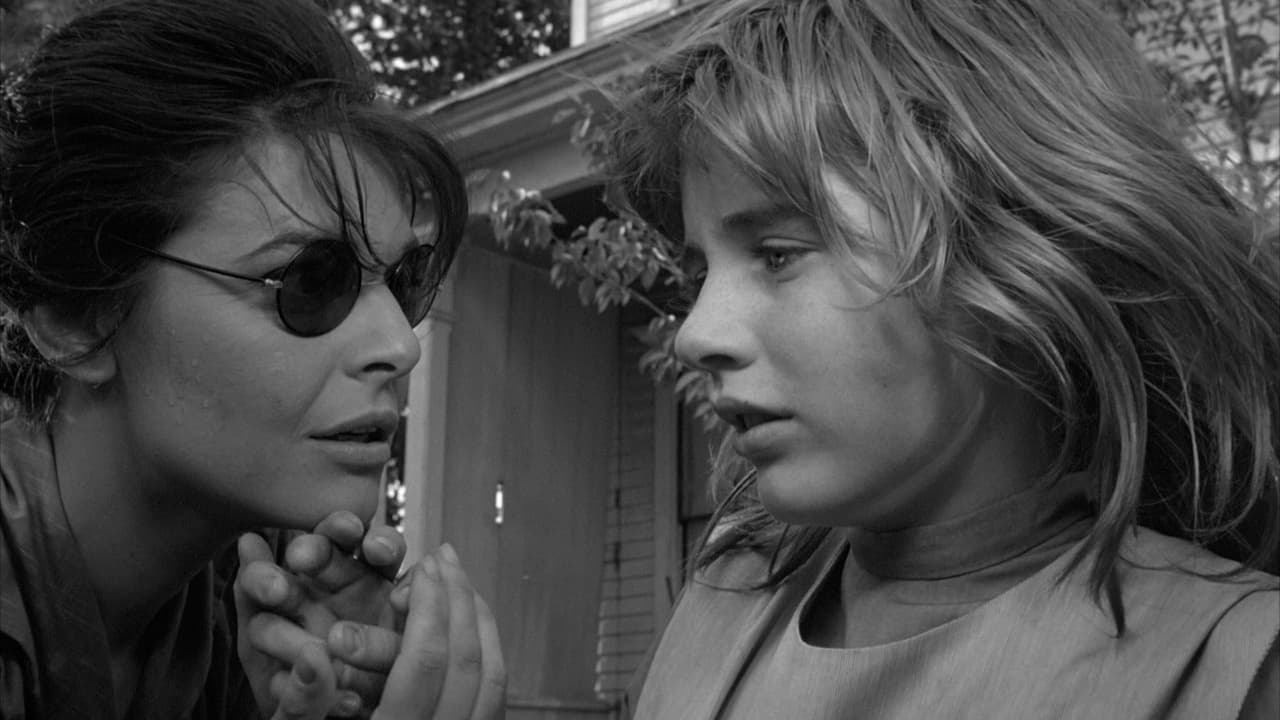
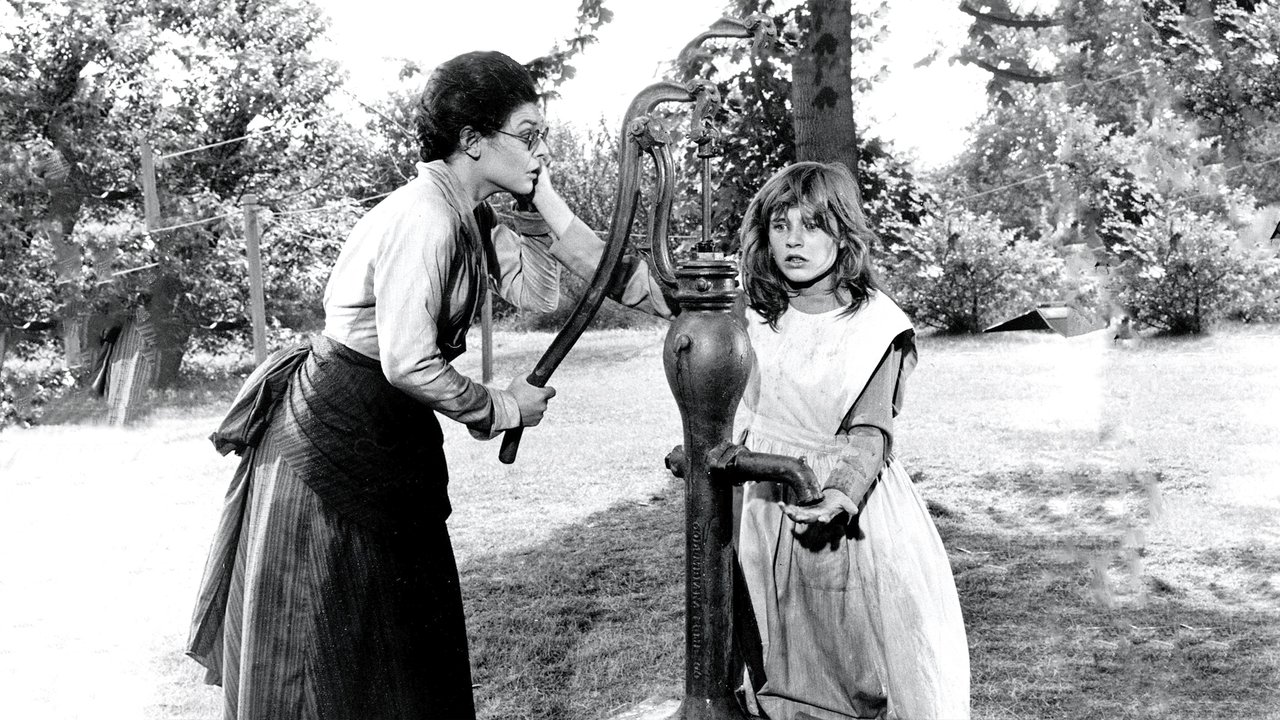
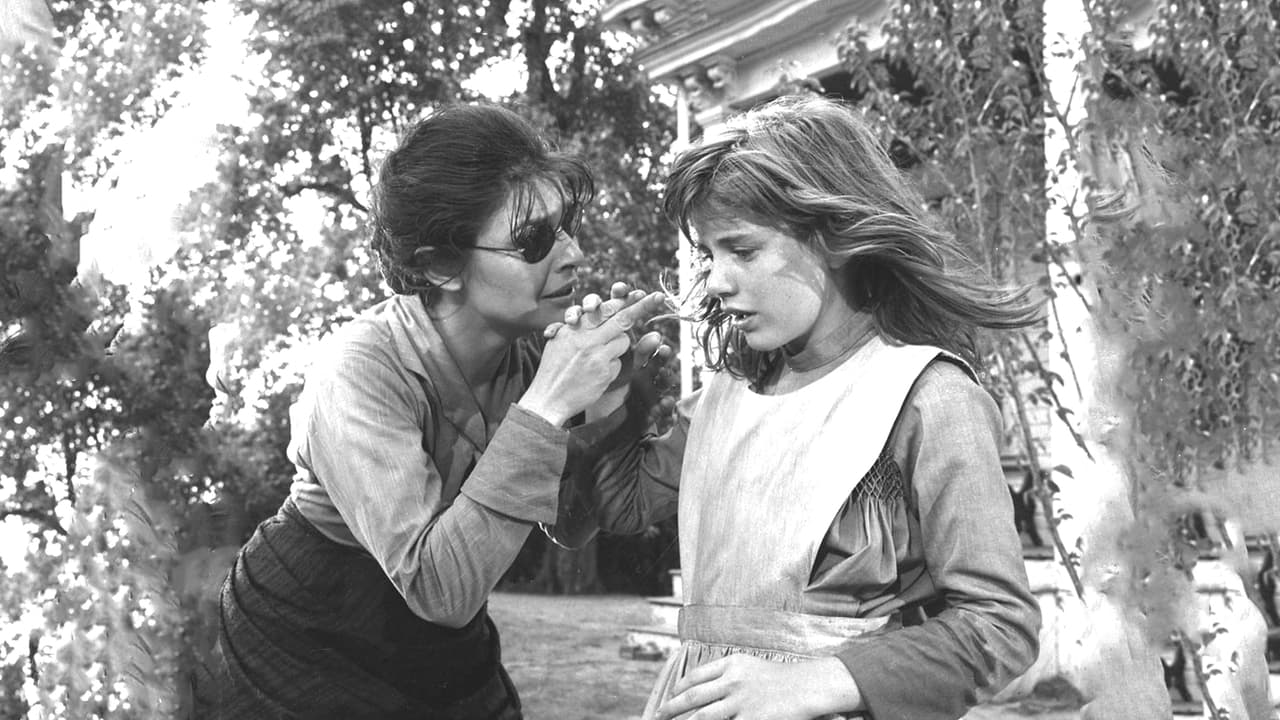
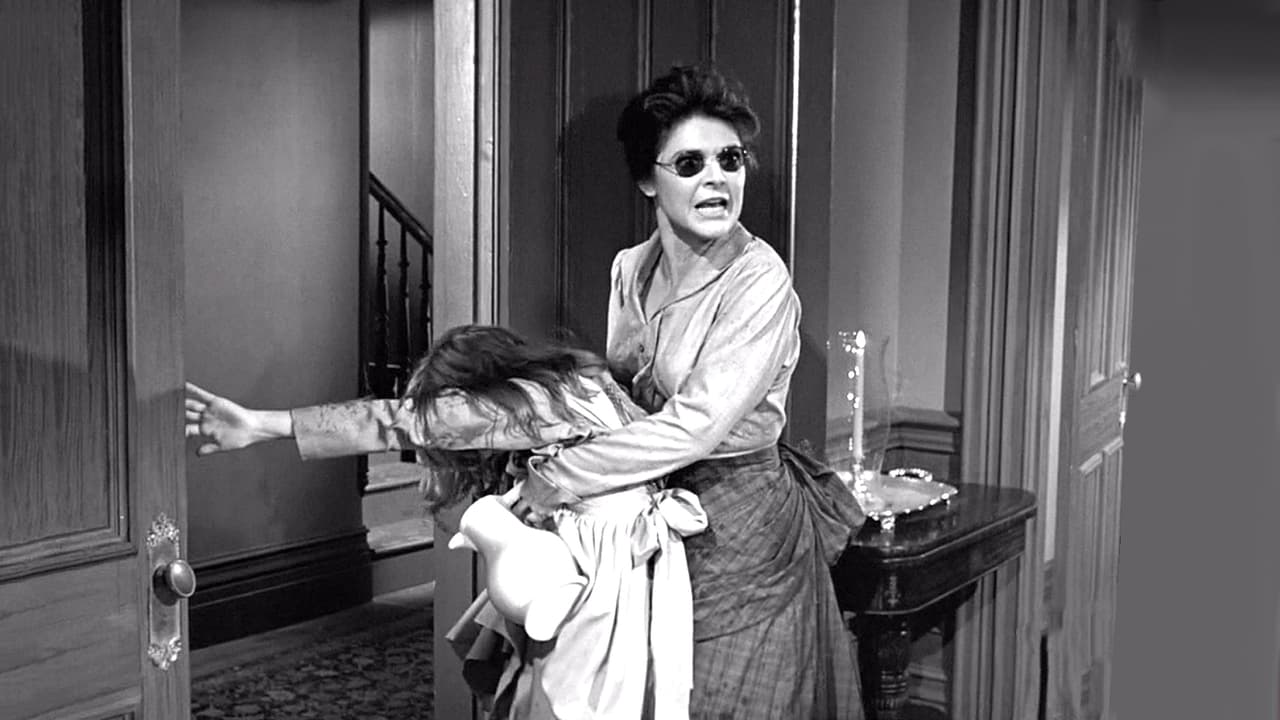
When parents hear "1962 black-and-white movie about Helen Keller," they reasonably expect something slow, theatrical, and reverent. The Miracle Worker is none of those things. Director Arthur Penn adapted William Gibson's play by keeping the camera tight on the physical friction between Annie Sullivan and Helen Keller.
There are no glossy Hollywood shortcuts here. When Annie tries to teach Helen to sit in a chair and eat with a spoon, the scene plays out in real time over nearly ten uninterrupted minutes. Food flies, plates smash, chairs overturn, and the two actors throw each other across the room. It feels dangerous and visceral in a way modern CGI-heavy cinema rarely matches.
"Pity is the easiest gift to give, and the hardest to survive."
The core lesson: pity vs. expectation
For families, the real substance lies in the contrast between Helen's family and her teacher. The Keller family spoils Helen out of guilt and exhaustion, giving her candy whenever she throws a tantrum just to keep the peace. Annie Sullivan arrives and realizes that treating Helen as untouchable is what keeps her trapped.
Watching Annie insist that Helen fold her napkin after a chaotic meal is a masterclass in holding high standards for someone you believe in. It is one of the clearest cinematic arguments ever made that real love demands expectation, not submission.