The Spectacle and the Slant
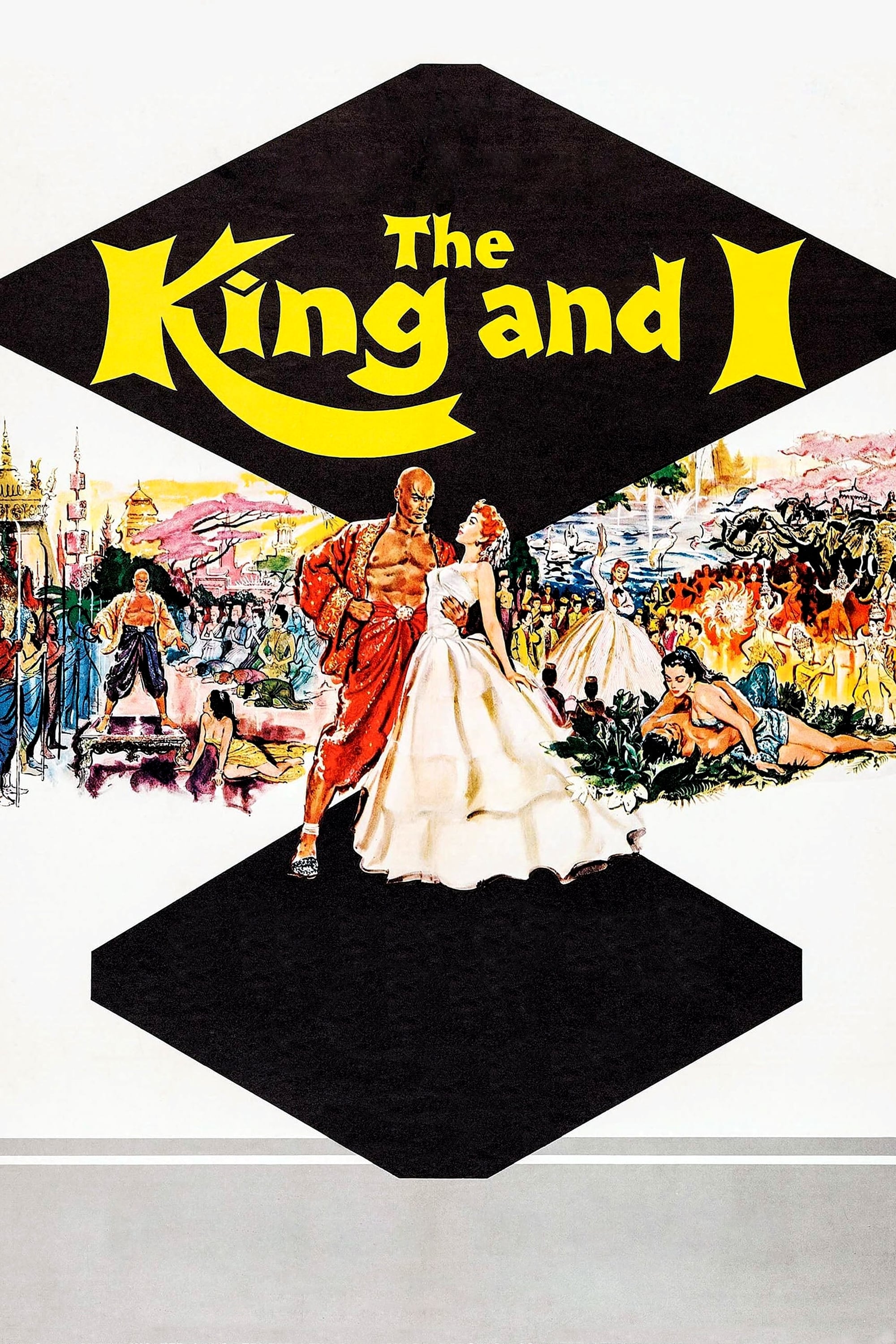
Watching The King and I in 2026 is an exercise in dual-processing. On one hand, you have the absolute peak of the Rodgers and Hammerstein era. The music is undeniable. The 'Shall We Dance' sequence, where Anna and the King polka across a massive, shimmering ballroom, is one of the most joyful moments in cinema history. For a kid interested in theater or dance, this is foundational stuff.
On the other hand, the movie is a textbook example of Orientalism. It paints King Mongkut—a historically brilliant man who spoke multiple languages and successfully navigated European colonialism—as a bit of a bumbling, stubborn child who needs a British woman to teach him how to sit in a chair and use a fork.
Why it Still Matters
Despite the cringe-worthy cultural politics, the film works because it’s a story about the power of education. Anna isn't there to fight; she's there to teach. The relationships she builds with the King’s wives and children are genuinely sweet and grounded in curiosity.
If you're going to watch this with your family, don't just let it wash over them. Use it as a comparison point. If they've seen modern Disney films like Moana or Raya and the Last Dragon, talk about how those movies try to respect the cultures they depict versus how Hollywood handled it seventy years ago. It’s a great way to build 'media literacy' while still enjoying some of the best songs ever written for the screen.