How to make tort law feel like a bank heist
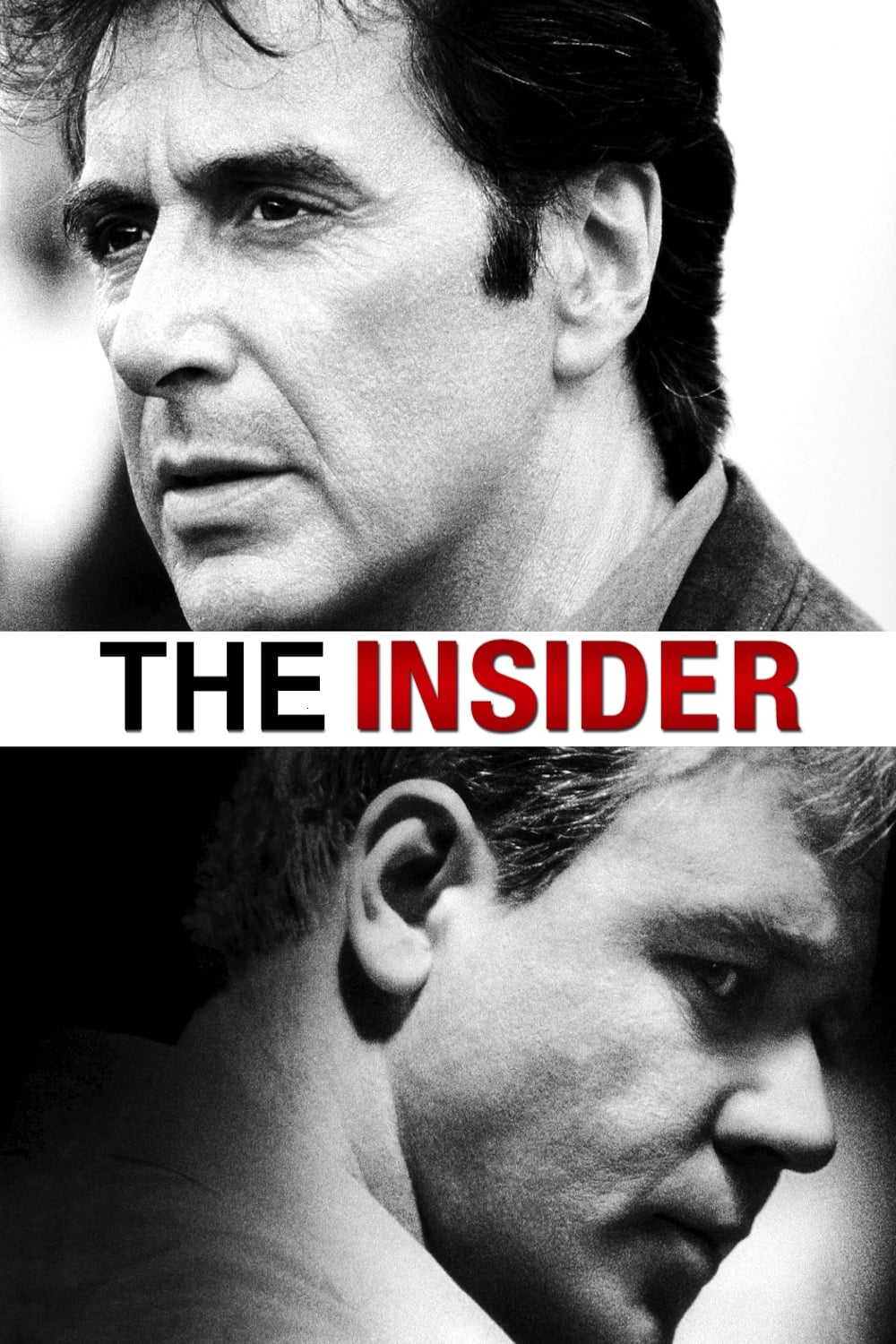
On paper, The Insider sounds like homework. It's based on the real 1996 Vanity Fair article "The Man Who Knew Too Much" by Marie Brenner, detailing how Brown & Williamson vice president Jeffrey Wigand blew the whistle on the tobacco industry's use of ammonia to boost nicotine absorption, and how CBS News initially caved to legal pressure and spiked the story.
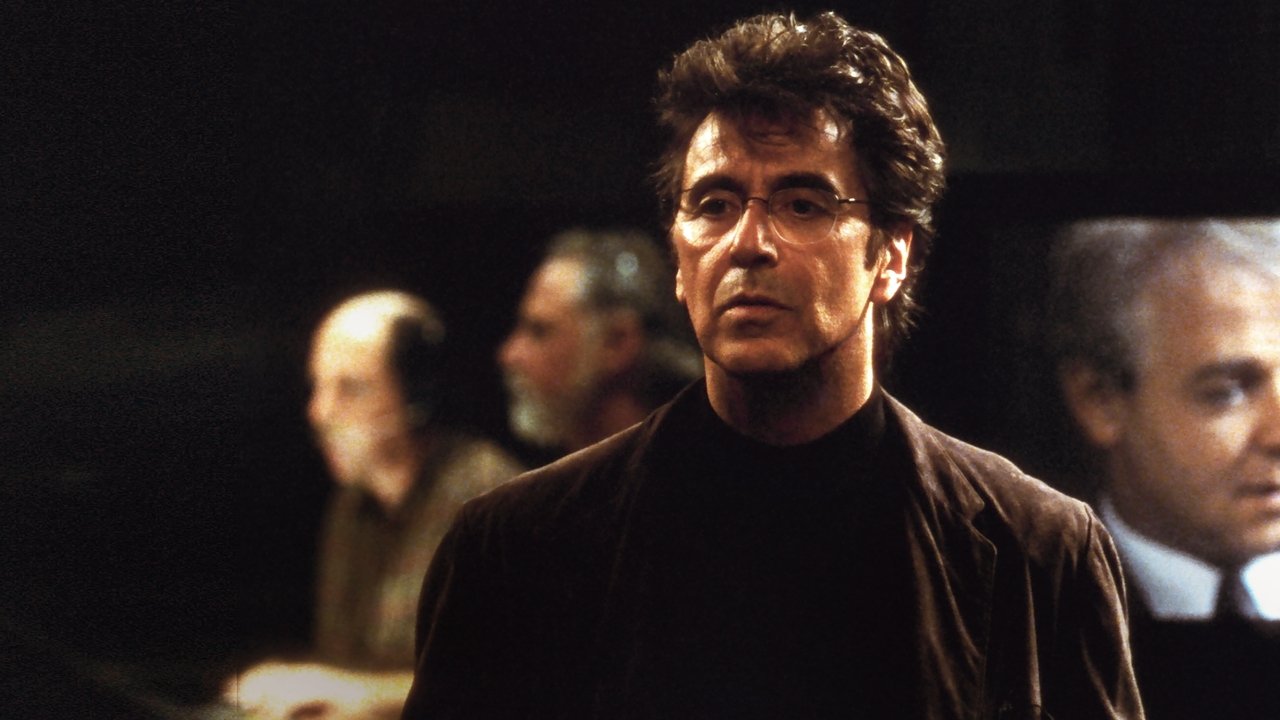
In execution, it moves like a freight train. Michael Mann (coming right off Heat) treats every boardroom meeting, airport pickup, and late-night phone call as a life-or-death standoff. There are no shootouts, yet the paranoia is suffocating. When Wigand finds a bullet in his mailbox or spots a man following him at a driving range, you feel the weight of a multi-billion-dollar corporation leaning on one guy in a suburban Kentucky house.
The real conflict happens in the newsroom
The first half of the movie is about getting Wigand to talk, even though breaking his confidentiality agreement means losing his family's healthcare and severance package. Once he finally sits down with Mike Wallace (played with razor-sharp vanity by Christopher Plummer), the movie pivots into something even more interesting.
Brown & Williamson threatens CBS with a multi-billion-dollar lawsuit for "tortious interference"—arguing that by inducing Wigand to break his contract, CBS is legally liable. Because CBS executives are in the middle of selling the network to Westinghouse and stand to make millions, they order 60 Minutes to cut the interview.
This second half is what makes The Insider so good to watch with an older teen. It strips away cartoon-villain conspiracy theories about the media and shows the actual mechanism of how truth gets buried: not by a shadowy cabal, but by corporate lawyers protecting a merger and veteran journalists worried about their legacy.
How it holds up for modern teens
While the technology is pure 1999—characters frantically hunting for payphones, waiting on fax machines, and checking pagers—the movie doesn't feel dusty. The camera work is kinetic, the score is haunting, and the central problem (how do you hold a massive company accountable when they write the employment contracts?) is as relevant to modern tech whistleblowers as it was to Big Tobacco.
If your kid has the attention span for prestige adult dramas like Succession, The Social Network, or All the President's Men, put this on.