The exhausting reality of the "Double Life"
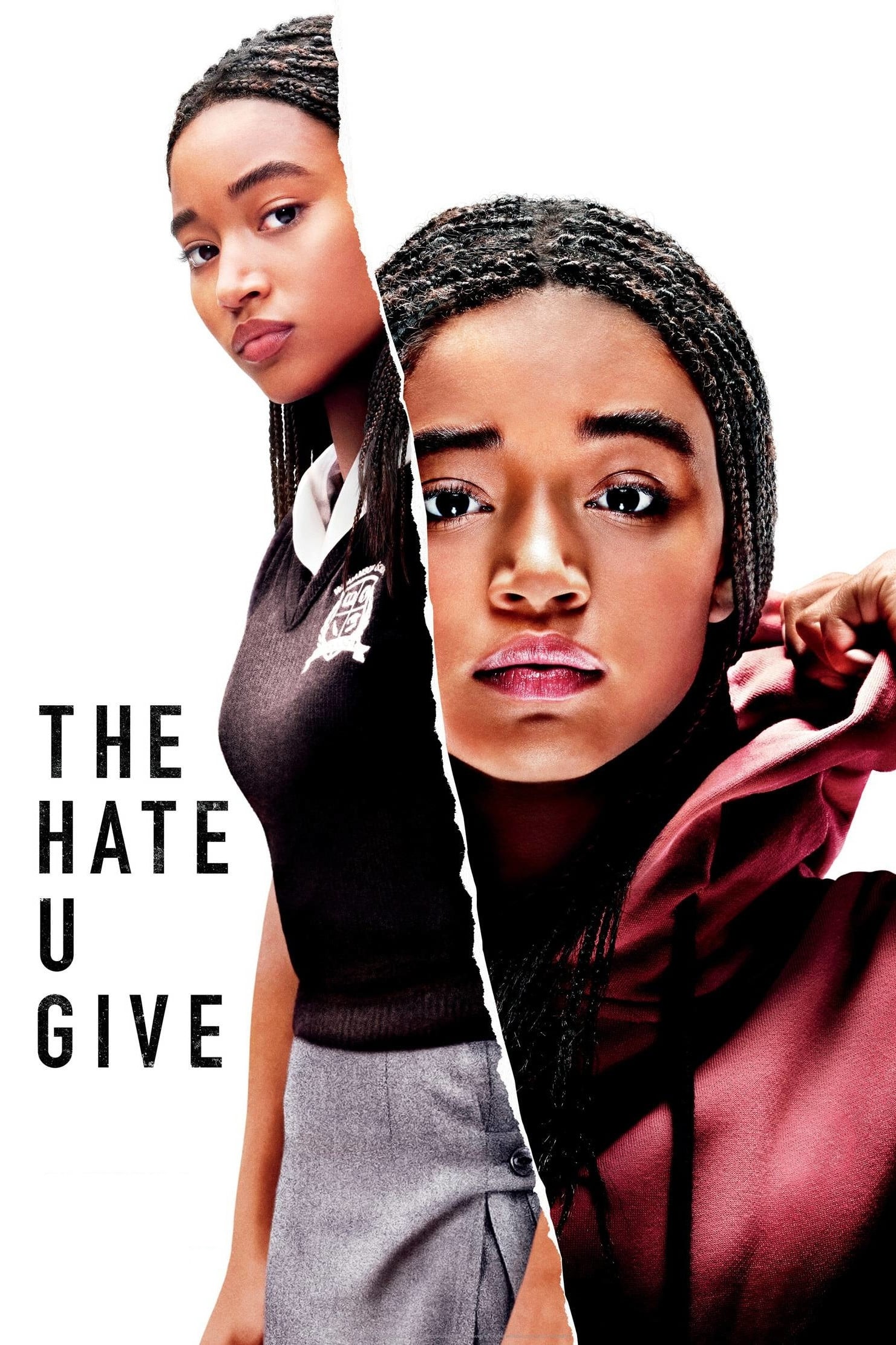
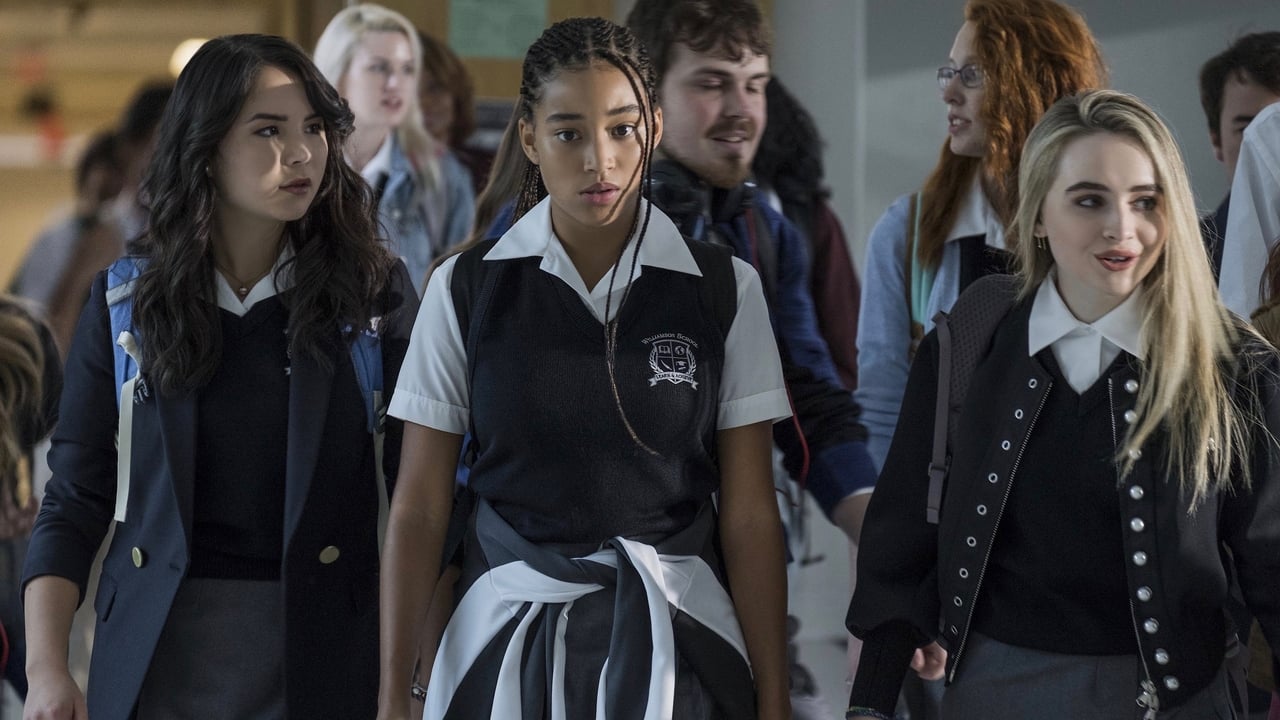
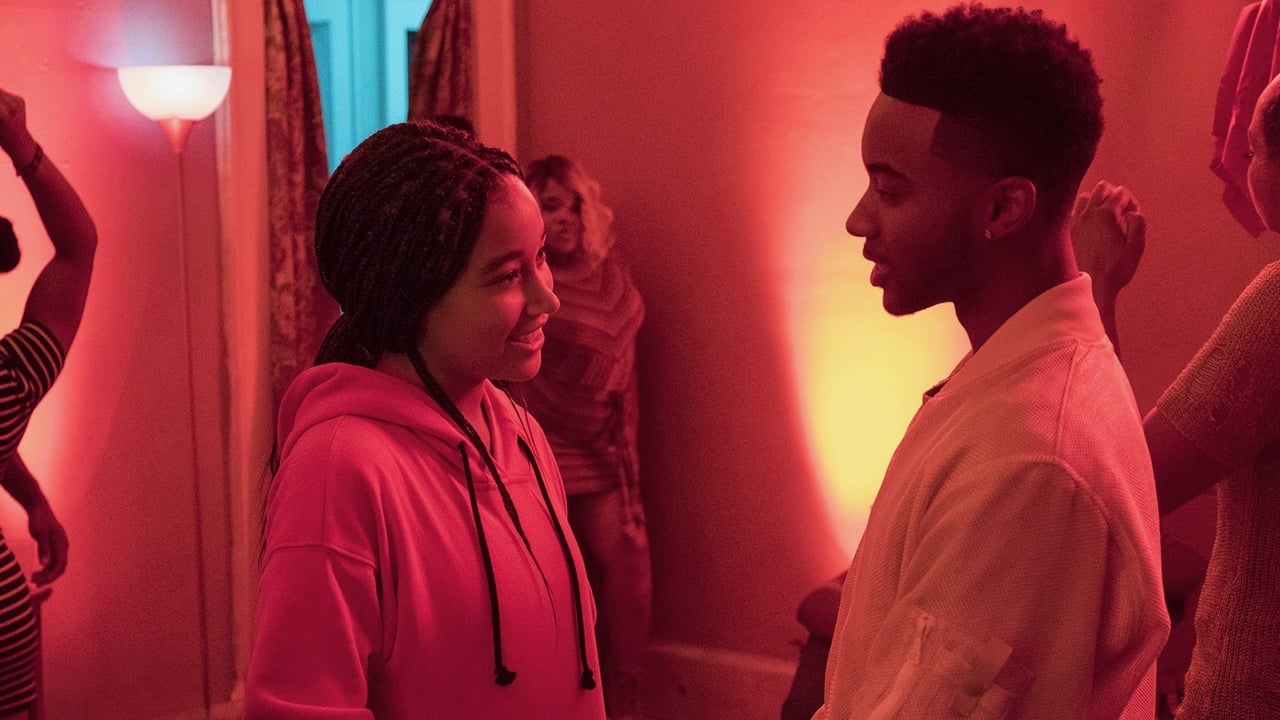
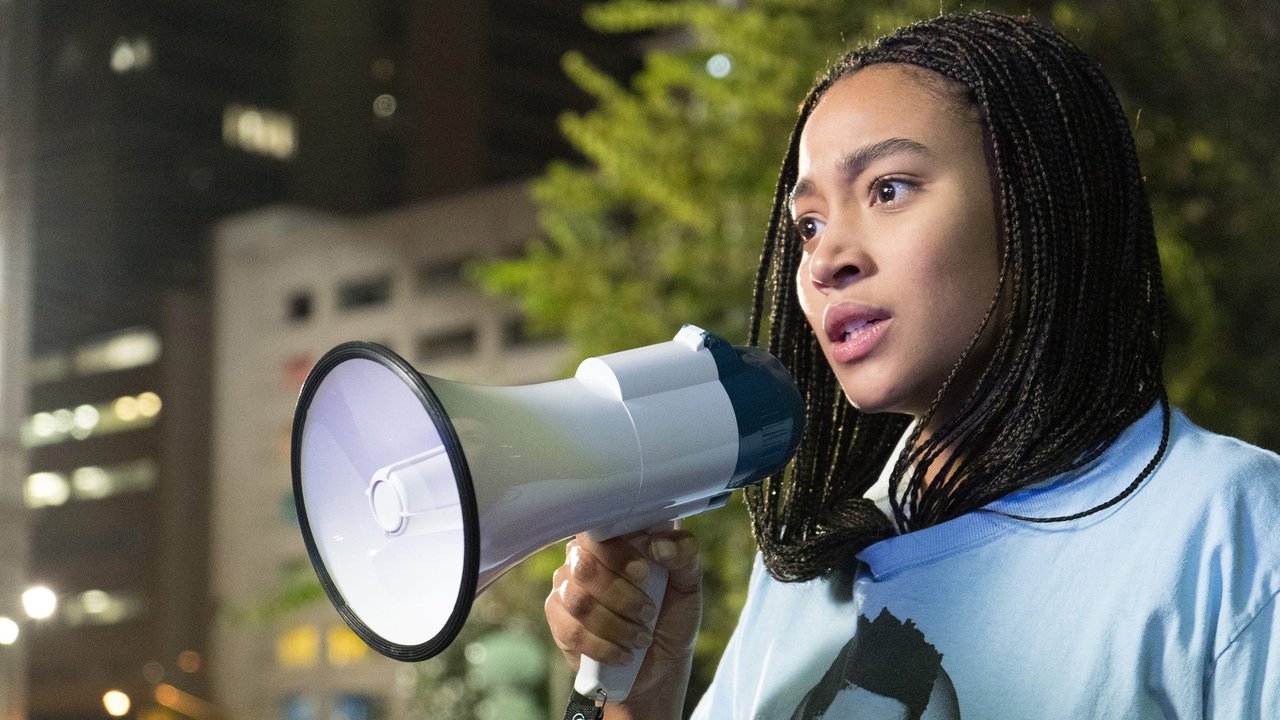
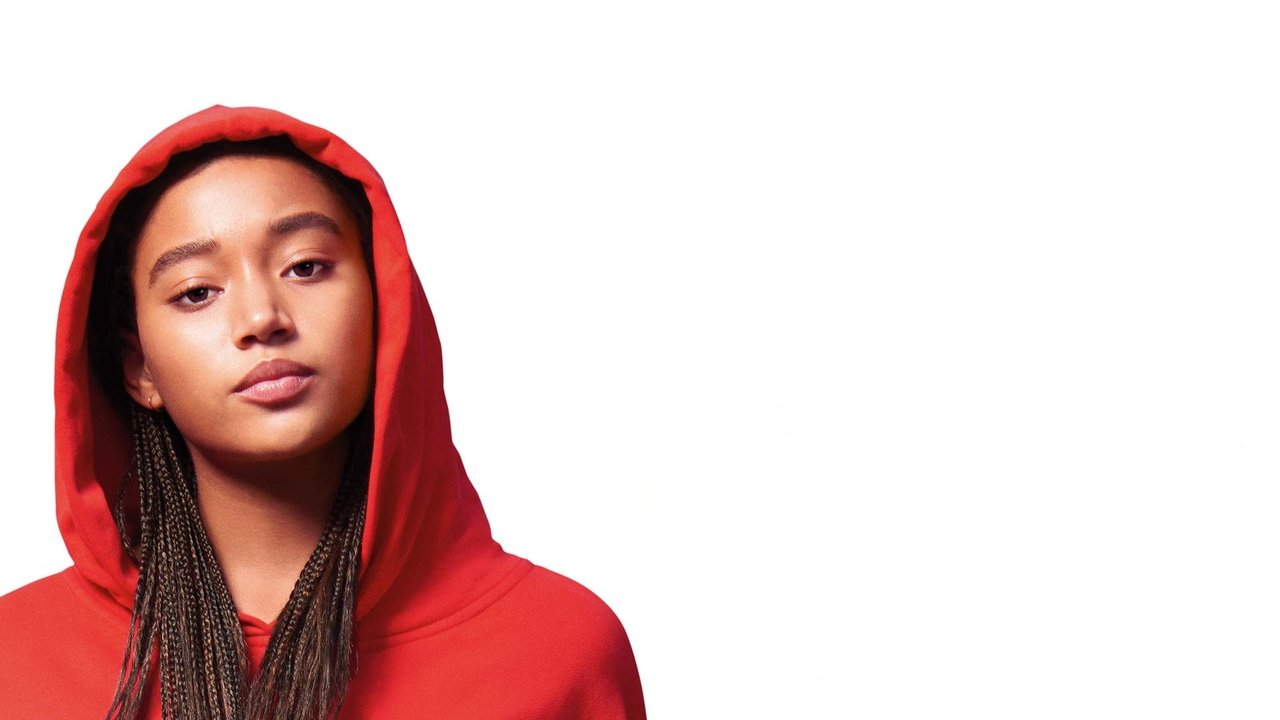
While the headlines about this movie focus on the shooting, the most relatable part for many teens is actually the exhaustion of Starr’s daily life. She spends the first act navigating two completely different versions of herself: "Garden Heights Starr" and "Williamson Starr." It’s a masterclass in code-switching that many kids from marginalized backgrounds already do instinctively, and it’s an eye-opener for those who don’t.
If you’re looking for a way to start age-appropriate conversations about diversity that go beyond surface-level "be kind" messaging, this is your entry point. The movie doesn't just show racism as a series of mean comments; it shows it as a weight that forces a sixteen-year-old to police her own slang, her own anger, and her own joy just to be "acceptable" to her suburban classmates.
A drama that refuses to pull punches
Most young adult adaptations from the late 2010s leaned into fantasy or dystopian tropes to make their points. This film stays firmly in the real world. Critics and audiences rarely agree this much—the 97% critic score on Rotten Tomatoes is backed by a high audience rating for a reason. It isn't just "important"; it’s a high-stakes thriller.
The tension doesn't end after the initial police encounter. The friction moves into the courtroom, the high school hallways, and the dinner table. It’s one of those drama movies that hit hard because it captures the specific feeling of being a teenager who realizes the adults in charge don't actually have a plan to keep them safe. If your teen has already read the source material, it's worth checking out our guide on why The Hate U Give book is a top-tier conversation starter for digital citizenship and activism.
How to handle the "Background Noise"
There is a specific subplot involving Starr’s white friends at school that might feel more "cringe" than the rest of the film. One friend, in particular, treats the tragedy as an excuse to skip class or make it about her own feelings. Don’t ignore these scenes. They are perfect for using media for contentious conversations because they model exactly how not to be an ally.
Ask your teen if they see that kind of "performative" activism on their social feeds. Usually, they’ll have plenty to say about it. The movie is long—at 133 minutes, it’s a commitment—but it uses that time to build a world where every character, from the local gang leader to the police officer uncle, has a perspective that complicates the narrative. It’s not a movie where you can just check out and scroll on your phone; if you do, you’ll miss the subtle shifts in Starr’s confidence that make the ending work.
If they want more like this
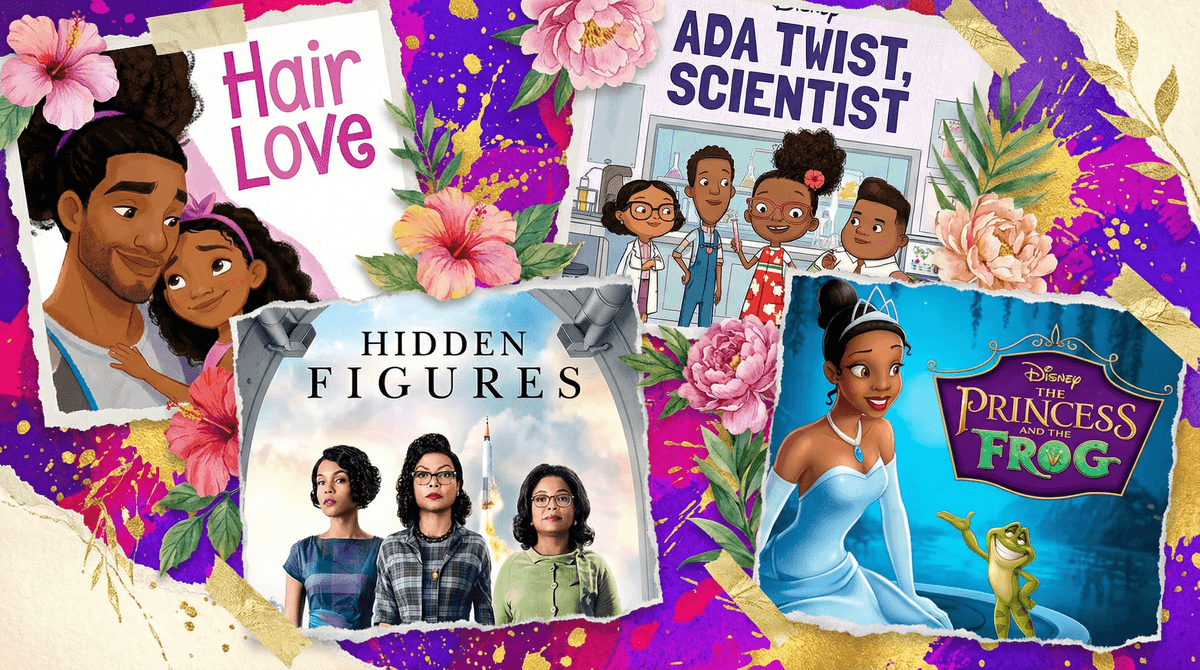
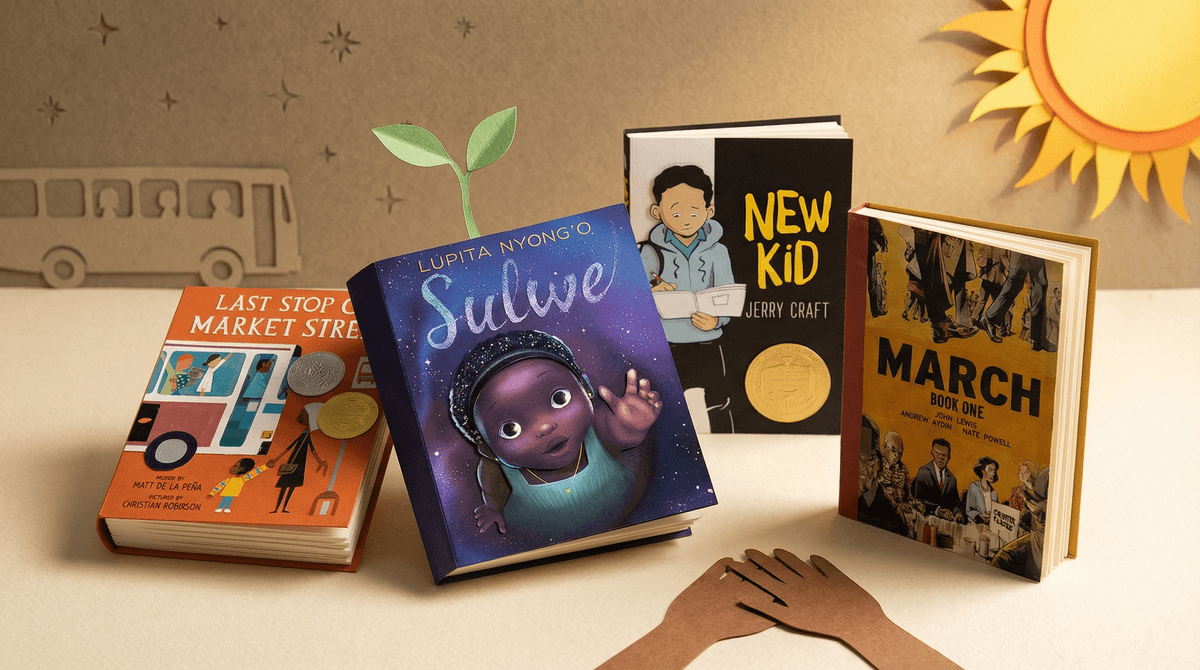
If your teen is moved by the activism but needs a break from the heavy trauma, look for stories that focus on the "joy" side of the same coin. But if they are ready to keep digging into the systemic side of things, this movie is the gold standard. It’s a heavy lift, but for a family movie night with a 15-year-old, it’s unbeatable for making the "real world" feel a little less abstract.