

You know those movies that leave you sitting in silence through the credits, processing everything you just watched? The ones that make you feel a lot — and maybe ugly cry into your hoodie sleeve? That's what we're talking about here.
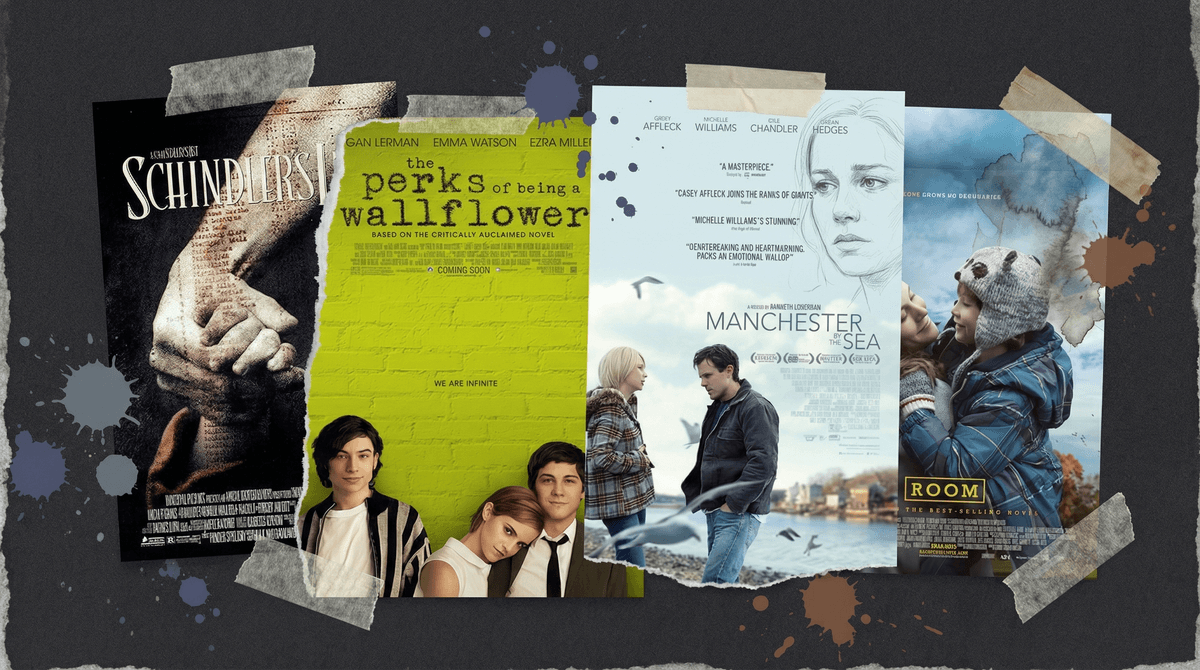
These are the heavy-hitters: films that tackle real issues like mental health, addiction, grief, social justice, war, or family trauma. They're not entertainment in the traditional sense — they're more like emotional experiences that stick with you. Think The Perks of Being a Wallflower, Manchester by the Sea, Room, or Schindler's List.
And here's the thing: these movies can be incredibly valuable for teens. They can also be overwhelming, triggering, or just plain too much depending on where your kid is developmentally and emotionally.
Adolescence is when kids start grappling with big existential questions. They're developing empathy, forming their worldview, and trying to figure out who they are. Heavy dramas offer a safe way to explore intense emotions and difficult situations from a distance.
These films also make teens feel seen and taken seriously. Unlike a lot of teen-targeted content, these movies don't talk down to them. They treat complex topics with nuance and respect — which is exactly what many teens are craving as they transition into young adulthood.
Plus, let's be real: there's a certain social currency in having watched and "survived" an emotionally devastating film. Being able to discuss Beautiful Boy or The Hate U Give signals maturity and depth.
When approached thoughtfully, these films can be genuinely transformative:
Building empathy: Experiencing someone else's story — especially one very different from your own — develops perspective-taking skills in ways that lectures never could.
Processing their own experiences: Sometimes seeing a character navigate depression, family conflict, or identity struggles helps teens feel less alone in their own challenges.
Starting important conversations: These movies create natural openings to discuss topics that might otherwise feel awkward or forced. The movie about a teen dealing with mental health struggles becomes a bridge to "So, how are you doing with everything?"
Developing critical thinking: Analyzing how films portray complex issues — what they get right, what they oversimplify — builds media literacy.
But here's where we don't pull punches: these movies can also be genuinely harmful if the timing or context isn't right.
Emotional overwhelm: Some teens aren't ready for certain content, full stop. A film about suicide might be devastating rather than helpful for a teen already struggling with depression. Trust your gut on your specific kid.
Vicarious trauma: Graphic depictions of violence, abuse, or suffering can be traumatizing even when fictional. The fact that Requiem for a Dream is "important" doesn't mean every 15-year-old should watch it.
Misinterpretation without context: Teens might miss nuance or take away unintended messages without guidance. A film about addiction could either build compassion or reinforce stigma depending on how it's processed.
Comparison and anxiety: Sometimes these films can make teens feel like their own problems are "not bad enough" or conversely, convince them they're more damaged than they are.
Ages 11-13: Stick with lighter emotional territory. Wonder, The Way Way Back, or Inside Out tackle real emotions without overwhelming intensity. Most heavy dramas are genuinely too much at this age.
Ages 14-15: You can start introducing more complex themes with the right kid. The Perks of Being a Wallflower, Lady Bird, Juno, or The Hate U Give are intense but ultimately hopeful. Watch together and talk after.
Ages 16+: Mature teens can handle heavier content like Manchester by the Sea, Moonlight, or Room — but still check in about their emotional state first. If they're going through something heavy themselves, even "age-appropriate" content might be too much right now.
Important note: Age is just one factor. A mature 14-year-old might handle certain content better than a sheltered 17-year-old. You know your kid.
Do your homework first: Read reviews on Common Sense Media, watch it yourself if possible, or at minimum read detailed plot summaries so you know what you're walking into. "It won a lot of awards" doesn't tell you if it includes graphic sexual assault.
Check in beforehand: "This movie deals with [specific topic]. How are you feeling about that lately?" gives them an out if they're not in the right headspace.
Watch together when possible: This isn't always feasible with teens, but co-viewing means you can gauge their reactions and be immediately available for processing.
Create space for conversation after: Don't force it, but make it clear you're available. Sometimes the best discussions happen the next day, not immediately after.
Validate their reactions: Whether they're devastated, unmoved, or somewhere in between — all responses are valid. Don't judge them for being "too sensitive" or "not getting it."
Connect to real resources if needed: If a film brings up issues your teen is dealing with, have information ready about counseling, hotlines, or other support.
Heavy drama films aren't inherently good or bad for teens — context is everything. The same movie that helps one teen feel less alone in their depression might send another teen into a spiral.
These films work best when they're chosen thoughtfully, watched with support available, and followed by genuine conversation. They're tools for building empathy and processing complex emotions — but like any powerful tool, they need to be used carefully.
If you're unsure whether your teen is ready for a specific film, See if a movie is appropriate for your teen. And remember: saying "not yet" isn't helicopter parenting — it's recognizing that some experiences are more meaningful when we're developmentally ready for them.
The goal isn't to shield teens from difficult emotions or hard truths. It's to help them encounter those things in ways that build resilience rather than overwhelm their developing emotional regulation systems.
Trust yourself. You know your kid better than any rating system ever could.