The ultimate sibling peace treaty
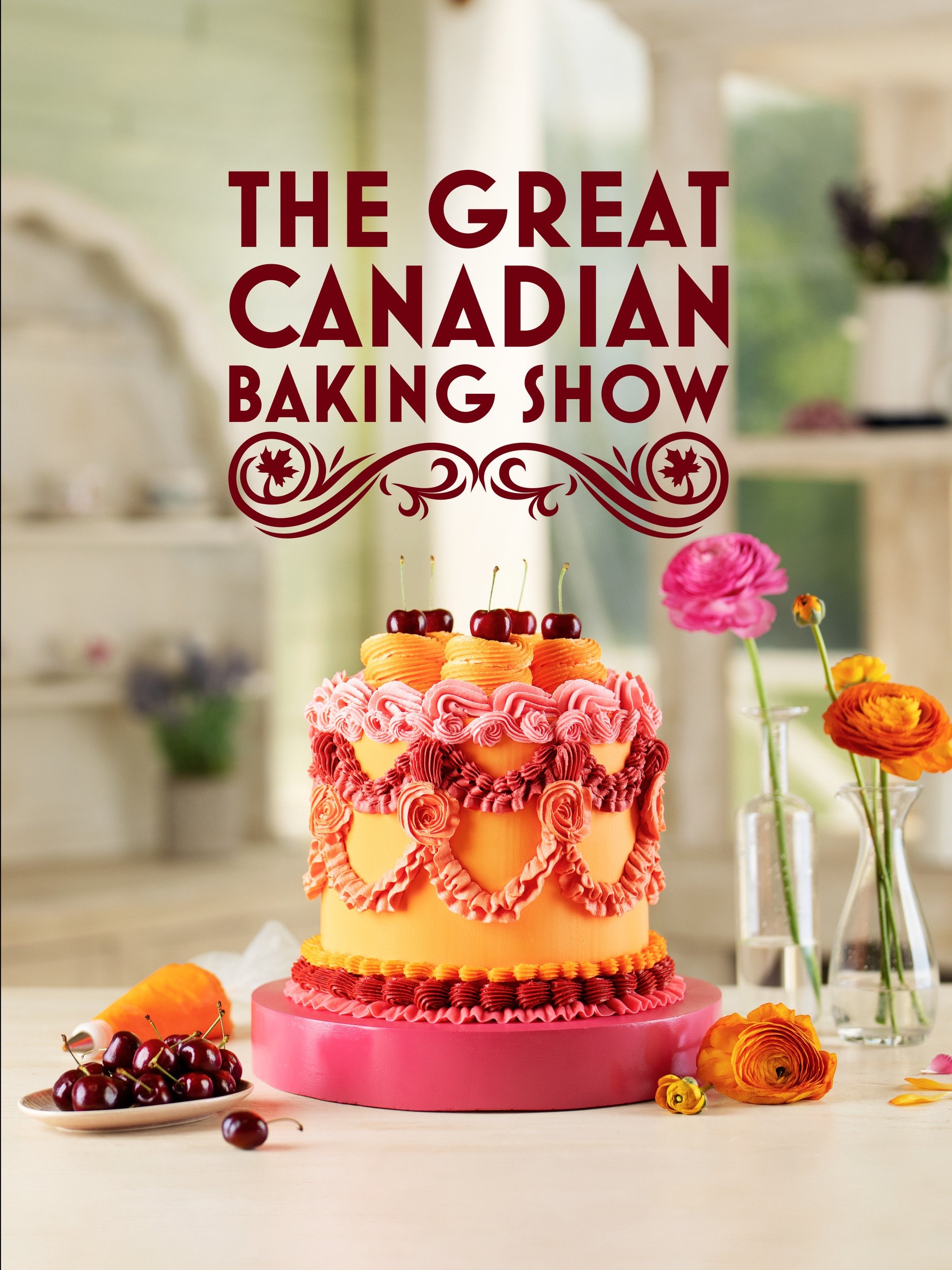
If you’ve ever tried to find a show that doesn't bore a twelve-year-old to tears but also won’t give a six-year-old nightmares, you know the struggle is real. The Great British Baking Show: Junior is the rare holy grail of finding shows siblings will actually watch together. It works because it doesn't talk down to the contestants or the audience. The stakes feel massive to the kids on screen—their souffle is collapsing!—but the consequences are zero for the viewer.
Unlike the American versions of these shows, which often lean into high-octane stress and aggressive editing, this is a slow burn. It’s a "bridge show" that transitions kids from loud, bright cartoons into the world of reality TV without the snark or manufactured "I'm not here to make friends" drama.
Resilience in a cloud of flour
There is a specific kind of magic in watching an eleven-year-old realize their showstopper cake is leaning at a forty-five-degree angle and not having a total meltdown. Because the show focuses on the "Technical" and "Showstopper" challenges, it becomes a masterclass in screen time that teaches self-control.
You see the kids take a beat, breathe, and try to patch the hole with extra buttercream. It’s a better lesson in emotional regulation than any "very special episode" of a sitcom. Watching them navigate the pressure of a ticking clock while remaining genuinely kind to their competitors is the kind of character modeling you actually want your kids to absorb. If you’re looking for a deeper dive into why this specific vibe works so well for families, check out our Great British Baking Show strategy guide.
Preparing for the kitchen aftermath
Here is the honest truth: after three episodes, your kid is going to want to bake. They won't want to make "kid food" either; they’ll want to attempt a multi-tiered sponge with a mirror glaze.
While the show is inspiring, it’s also a gateway drug to a very messy kitchen. If you aren't prepared to have flour in your floorboards for the next three weeks, consider yourself warned. However, if you lean into it, it’s a fantastic way to build kitchen confidence. If this show sparks a permanent interest, you can keep the momentum going with other movies for kids who love food.
The "Technical" rounds are particularly useful for teaching kids that following a recipe is basically a science experiment where you get to eat the results. It’s one of the few shows where the "learning" is so baked-in (pun intended) that kids don't even realize they're being taught precision and patience.
The Harry Hill factor
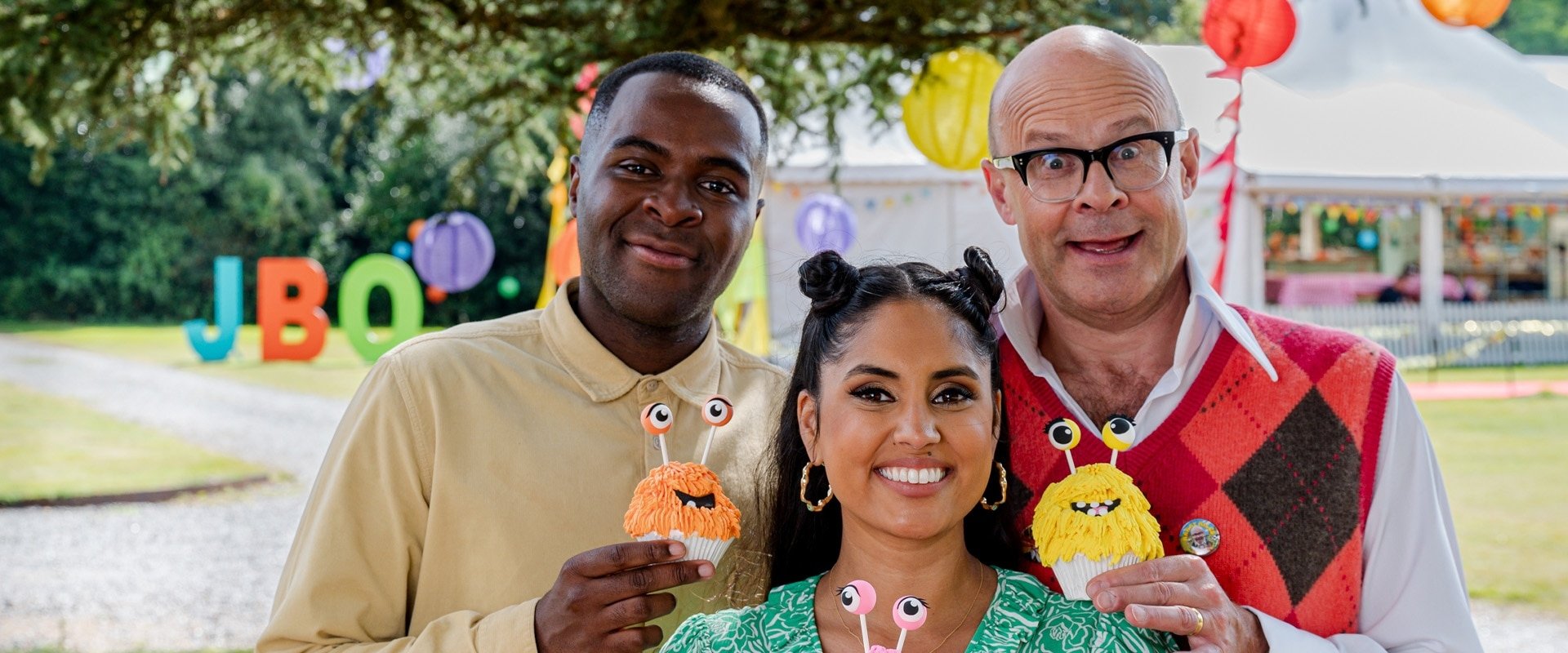
The vibe of the junior version is slightly more chaotic than the adult version, thanks largely to Harry Hill. His brand of surreal, silly humor is calibrated perfectly for the 9-13 age bracket. He treats the kids like colleagues rather than subjects, and his goofy segments provide the necessary "brain breaks" between the high-stress moments of the bake. It keeps the energy light and prevents the competition from feeling too heavy, which is essential when you're watching a twelve-year-old get sent home at the end of the week.
It’s not just a show about cake; it’s a show about how to be a good sport when things go sideways. In a landscape of "mean" reality TV, that makes it an essential watch.