Our reviews and ratings are 100% unbiased. Screenwise is a Bookshop.org affiliate and an Amazon Associate, so if you buy a book through one of our links, we may earn a commission. Bookshop.org purchases also support independent bookstores.
Screenwise Verdict
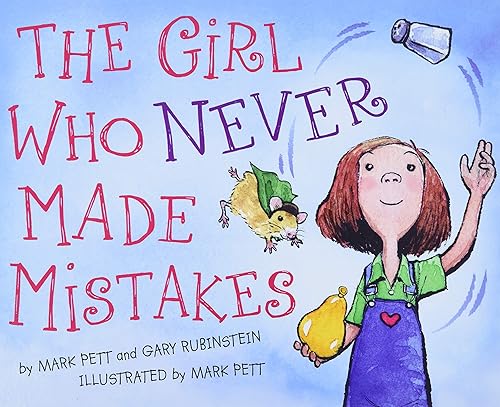
This is one of those books that does exactly what it sets out to do. If you've got a kid who cries over a single wrong answer on their homework or refuses to try new things because they might not excel immediately, The Girl Who Never Made Mistakes is genuinely helpful.
The story is simple: Beatrice is known town-wide for never making mistakes, until she makes a big one during the talent show. Instead of the world ending, she laughs, realizes it's fine, and discovers that life without constant pressure is actually better. It's not groundbreaking literature, but it's warm, well-illustrated, and the message lands without feeling like a lecture.
The 4.6 Amazon rating and enthusiastic teacher reviews confirm this is a classroom staple for good reason. It's been around since 2011 and still feels relevant. Not every kid will need this book, but for the perfectionist in your house, it might be exactly what they need to hear.
Age Fit
Best for ages 4-9, especially kids showing early signs of perfectionism or performance anxiety. The picture book format keeps it accessible for younger kids, while the message resonates most with early elementary students who are starting to feel academic or social pressure.
WISE Breakdown
Wholesome
92
Models healthy emotional growth by showing a perfectionist child learning that mistakes are okay and even fun. Beatrice's journey from anxiety-driven perfection to laughing off a public mistake is emotionally healthy and age-appropriate. The tone is warm without being preachy, and the message about self-acceptance and resilience is genuinely valuable for young perfectionists.
Imaginative
72
The concept of a girl who literally never makes mistakes is clever and engaging for kids, with illustrations described as 'darling.' However, this is primarily a message-driven picture book rather than one that sparks open-ended creativity or world-building. It invites kids to think differently about failure but doesn't offer much in terms of fantastical exploration or hands-on creative expression.
Safe
98
This is a straightforward picture book with zero concerning content. No violence, scary elements, or inappropriate themes. The 'mistake' Beatrice makes is age-appropriate and non-traumatic. Perfect for reading aloud without any surprises or concerns.
Enriching
88
Directly addresses growth mindset—one of the most valuable concepts for kids to internalize early. The book helps perfectionist children understand that mistakes are learning opportunities, not catastrophes. Multiple reviews highlight its effectiveness as a teaching tool for resilience and self-compassion. The 4.6 Amazon rating and enthusiastic parent reviews confirm it delivers meaningful takeaways. It's instructive without feeling heavy-handed.
Parent Info
✓
Why It Might Be Great
Perfect antidote for the kid who melts down over every tiny mistake or imperfect grade
Shows that public failure isn't catastrophic—Beatrice survives her big mistake and discovers life is more fun when you're not constantly stressed
Beloved by teachers as a growth mindset classroom staple since 2011
The message lands without being preachy—kids actually enjoy the story while absorbing the lesson
Great conversation starter about performance anxiety and self-compassion
⚠
What to Watch For
This is a message book first and foremost—if your kid hates being 'taught' things, they might roll their eyes
Some kids who aren't perfectionists might not relate to Beatrice's intense pressure
The book is 14 years old but the illustrations and message hold up well
Conversation Starters
"Have you ever felt like Beatrice, where you worry so much about messing up that it's hard to have fun?"
"What's a mistake you made that ended up being not as bad as you thought it would be?"
"Why do you think Beatrice felt so much pressure to be perfect all the time?"
"What would you say to a friend who's scared to try something new because they might not be good at it?"