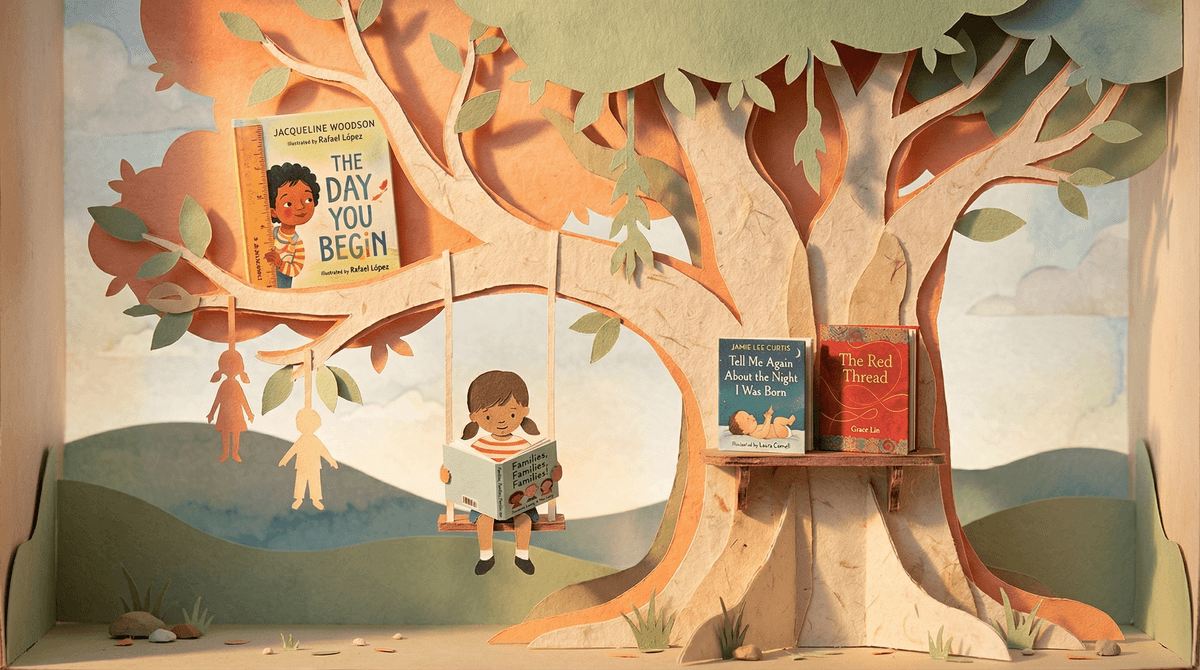
Every kid eventually becomes obsessed with their own "lore." Whether they were born in a hospital, a bathtub, or joined the family via a social worker at an airport, they want to hear the story of their arrival on a loop. Jamie Lee Curtis tapped into this specific childhood ego-trip back in 2000, and it remains one of the most functional books on a shelf for families formed through adoption.
The Mythology of "Me"
The magic here isn't in a complex plot. It’s in the ritual. The narrator is a young girl who is essentially "backseat driving" her own origin story. She knows every beat—the phone call in the middle of the night, the frantic packing, the first time her parents held her—and she’s prompting her parents to tell it exactly the way she likes it.
For kids, this isn't just a story; it’s validation. It frames their arrival as the most exciting, world-changing event in their parents' lives. If you are looking for other books about adoption that help bridge the gap between "how we became a family" and "how much you are loved," this is the gold standard for the preschool set.
Messy Art for Real Life
Laura Cornell’s illustrations are what keep this book from feeling too precious or "hallmark." Her style is famously chaotic. Characters have flyaway hair, the house looks lived-in, and the parents look genuinely exhausted in that specific way only new parents do. This visual honesty makes the sentimentality of the text go down easier. It feels like a real family, not a sanitized version of one.
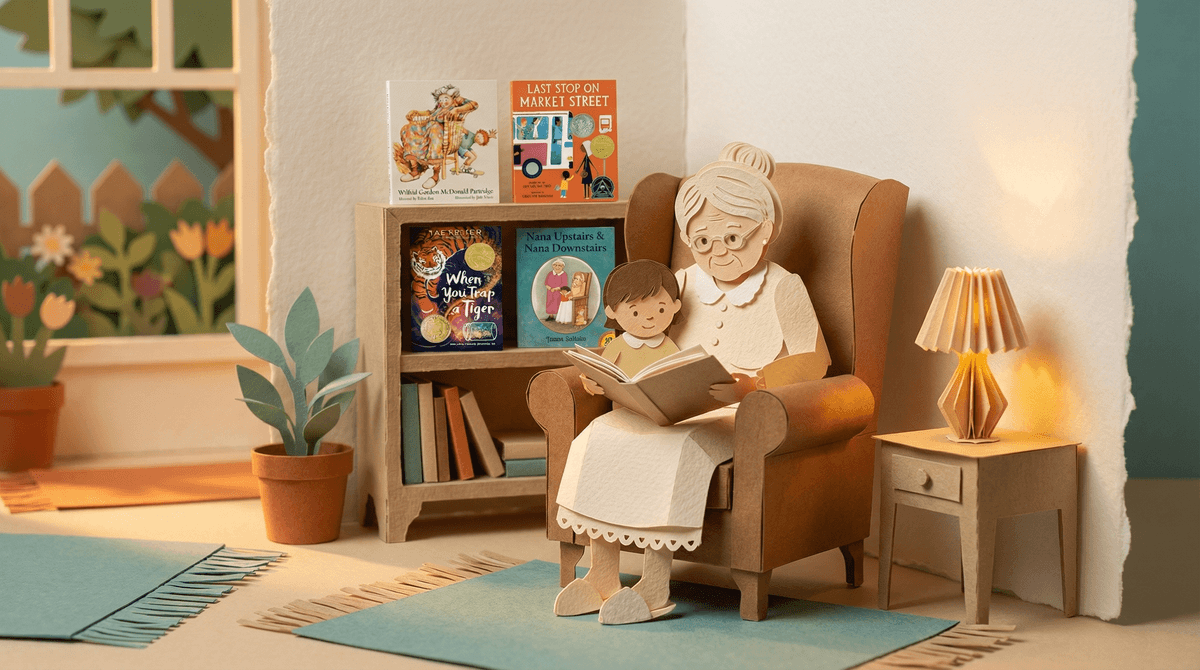
This groundedness also makes it a great choice for building bonds between grandparents and grandkids. Grandparents often remember that "middle of the night" phone call or the flight to pick up a new family member with even more clarity than the parents do. Reading this together often triggers real-life stories that go beyond the pages of the book.
Knowing the Limits
It is worth noting that this is a very specific type of adoption story. It’s a celebratory, "infant adoption" narrative where the parents are there almost immediately. It doesn't touch on the birth family or the more complex layers of identity that come up as kids get older. It’s a starter book.
If your child’s story involves foster care, international travel, or older-child adoption, you might find yourself editing the text on the fly to fit your reality. But even then, the "Tell me again" refrain is a powerful tool. You can use the book’s structure to tell your own version of the story. According to Reading Rockets, this book is a staple for the 3-6 age group precisely because it treats adoption as a joyful "once upon a time" rather than a difficult conversation to be managed. It’s about the belonging, not the paperwork.