Our reviews and ratings are 100% unbiased. As an Amazon Associate, Screenwise earns from qualifying purchases, so if you buy a book or game through one of our links, we may earn a commission. We don't get any credit if you just Google it instead :)
Screenwise Verdict
Tamagotchi is a cultural artifact that defined a generation of 90s childhoods. It's wholesome, safe, and teaches responsibility in a way that's genuinely low-stakes. The problem? It's 2025, and this thing is ancient.
The original hardware is clunky, the gameplay is mind-numbingly repetitive, and modern kids raised on Minecraft and Roblox will probably tap out after a day. The constant check-ins can also create anxiety rather than joy—some kids will love the routine, others will feel trapped by it.
If you're buying this for nostalgia or as a first 'responsibility pet' for a 6-8 year old, it's solid. But don't expect it to compete with modern games. It's more of a conversation piece than a genuine entertainment device at this point. The WISE score reflects that reality: good bones, but hard to recommend enthusiastically in 2025.
Age Fit
Best for ages 6-11. The official recommendation is 8+, but younger kids can handle it with parent help. Teens will find it painfully boring unless they're into retro gaming nostalgia.
WISE Breakdown
Wholesome
88
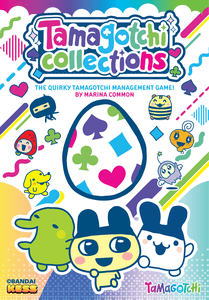
Tamagotchi is fundamentally about caring for a virtual pet—feeding, cleaning, playing with it. The original 1996 version has pets return to their home planet in a spaceship when they 'die' rather than showing actual death, which is age-appropriate. It models responsibility and nurturing behavior without chaos or inappropriate content.
Imaginative
72
The concept of raising an alien pet was novel in 1996 and sparked creativity around caregiving routines. However, the actual gameplay is quite limited—simple button presses, basic minigames, and repetitive tasks. It's more about discipline and routine than open-ended creative play. The imagination comes from the attachment kids form to their digital creature, not from the mechanics themselves.
Safe
95
The original Tamagotchi is a single-player handheld device with no internet connectivity, no ads, no in-app purchases, and no social features. ESRB rated it E for Everyone. The only safety consideration is the compulsive loop—the pet needs attention every few hours or it 'dies,' which can create anxiety in young kids. But there's no predatory monetization or privacy concerns.
Enriching
65
Tamagotchi teaches basic responsibility and consequence—if you don't feed your pet, it suffers. Kids learn time management and cause-and-effect. But let's be real: the 'enrichment' is pretty shallow. It's repetitive button-mashing with minimal depth. The emotional attachment is real, but the actual skill-building is limited to 'remember to check your keychain every 3 hours.'
Parent Info
✓
Why It Might Be Great
Teaches basic responsibility and consequences in a low-stakes way (it's just pixels)
Zero predatory features—no ads, no IAP, no internet, just you and your egg-shaped friend
Nostalgia bomb for millennial parents who want to share their childhood
Simple enough for young kids to grasp; the 'death' is handled gently with a spaceship departure
Can spark conversations about caring for living things and time management
⚠
What to Watch For
The pet needs attention every 2-4 hours or it gets sick/dies, which can stress out younger or anxious kids
Extremely repetitive and dated—by 2025 standards, it's basically a museum piece
Kids may lose interest quickly once the novelty wears off (which could be 3 days or 3 weeks)
Not great for kids who struggle with obsessive checking or rigid routines
Conversation Starters
"What do you think your Tamagotchi needs right now? How can you tell?"
"If you had a real pet, what would be similar to taking care of your Tamagotchi? What would be different?"
"What happens if you forget to feed it for a whole day? How does that make you feel?"
"Why do you think they made the pet go back to its home planet instead of just dying?"