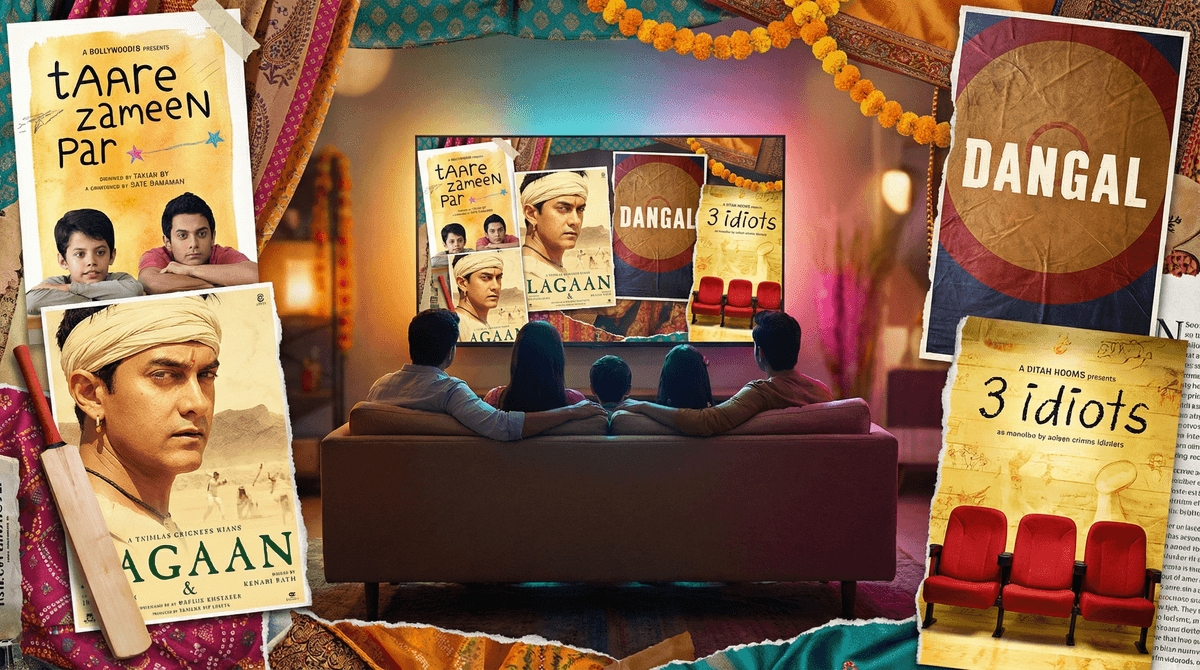
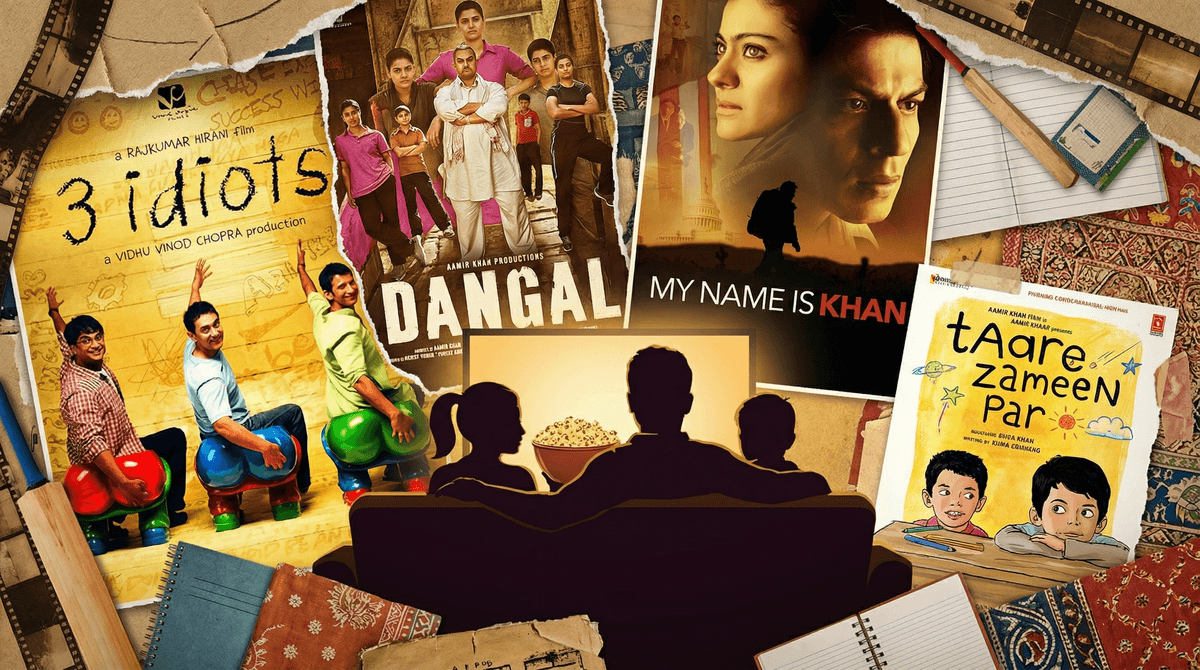
Taare Zameen Par

Taare Zameen Par

movie

PG, 2007

WISE
89%

WISE Score

93

Avg. Tomatometer

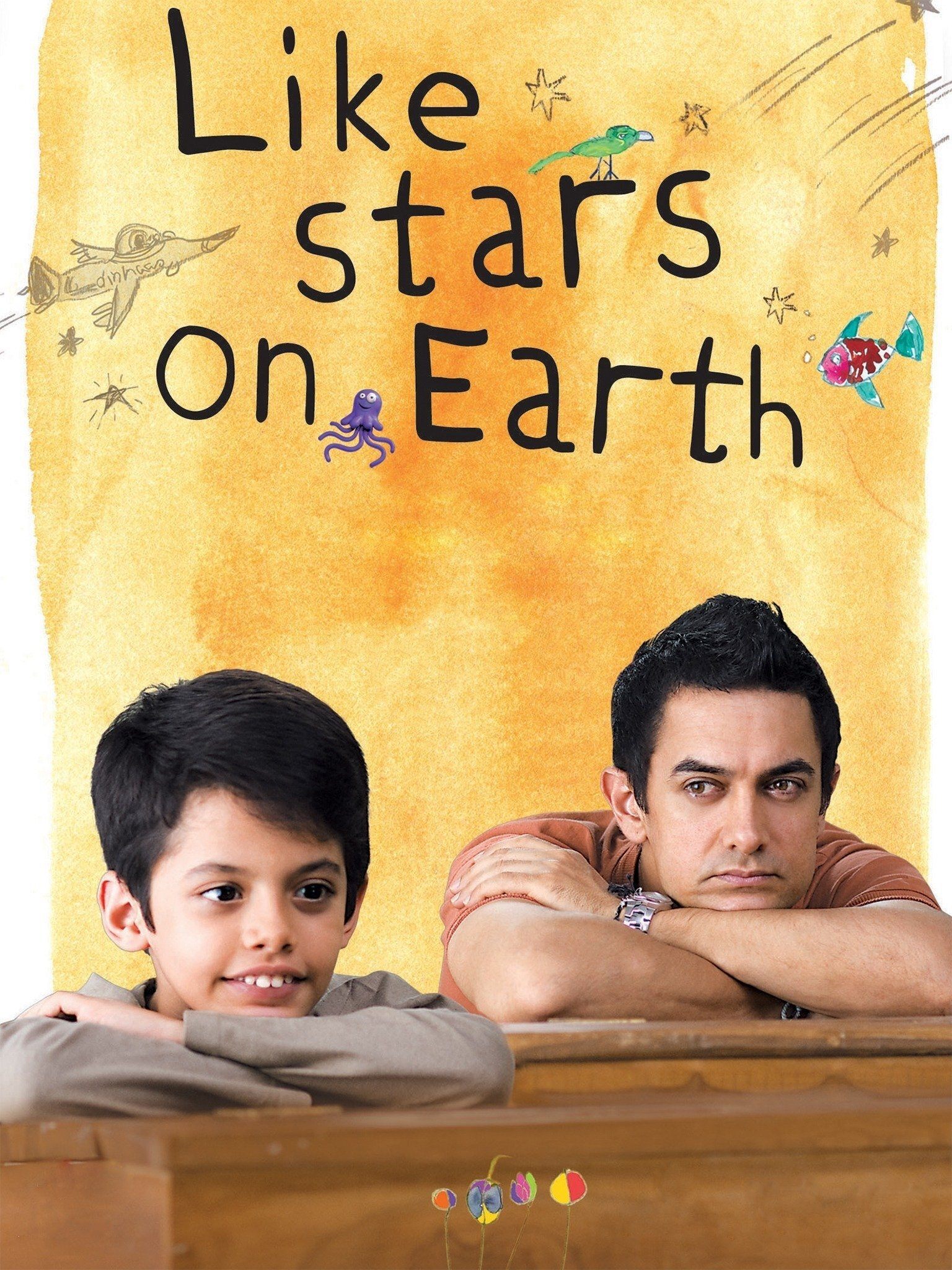
An eight-year-old with dyslexia finds his voice when an art teacher sees what his family couldn't—a must-watch about learning differences and empathy.

IMDb8.3
RT Critics93%
Common Sense Media
Where to Watch
Loading streaming options...
Screenwise Verdict

This is one of those rare films that manages to be both heartbreaking and hopeful without ever feeling manipulative. It's a love letter to kids who don't fit the mold, and a wake-up call for parents and teachers who might be missing what's right in front of them.

The emotional weight is real—watching Ishaan struggle while his family dismisses his pain is tough, and the father's use of 'retard' stings even as it serves the story. But the payoff is worth it: Ram Shankar Nikumbh's patient, creative approach to teaching is a masterclass in empathy, and the film's message about celebrating different kinds of intelligence feels urgent and timeless.

At nearly three hours, it's a commitment, but the pacing earns it. The visuals are gorgeous, the performances (especially young Darsheel Safary) are stunning, and the film never talks down to its audience. It's not a light watch, but it's an essential one—especially if your family is navigating learning differences, school struggles, or just trying to understand what it means to truly see a child.

Age Fit

Best for ages 8–14, though Common Sense Media suggests 13+. Younger kids (8–10) will benefit from co-viewing to process the emotional intensity and language. Tweens and teens will connect deeply with themes of feeling misunderstood and finding your place. Adults will find it equally powerful—it's a family film in the truest sense.

WISE Breakdown
Wholesome
88

Models profound empathy, patience, and the importance of seeing each child's unique strengths. The emotional arc is healthy—Ishaan's struggle with dyslexia and his family's initial misunderstanding lead to genuine growth and connection. The film handles his distress with care, showing how an unconventional teacher transforms his life through kindness and creativity. Some mild language ('bloody,' 'shit,' 'goddammit') and the father's use of 'retard' reflect real-world insensitivity but serve the narrative about misunderstanding learning differences. Brief mild violence (schoolyard fight) is contextual, not gratuitous. Pacing is measured at 164 minutes, appropriate for the emotional weight.

Imaginative
91

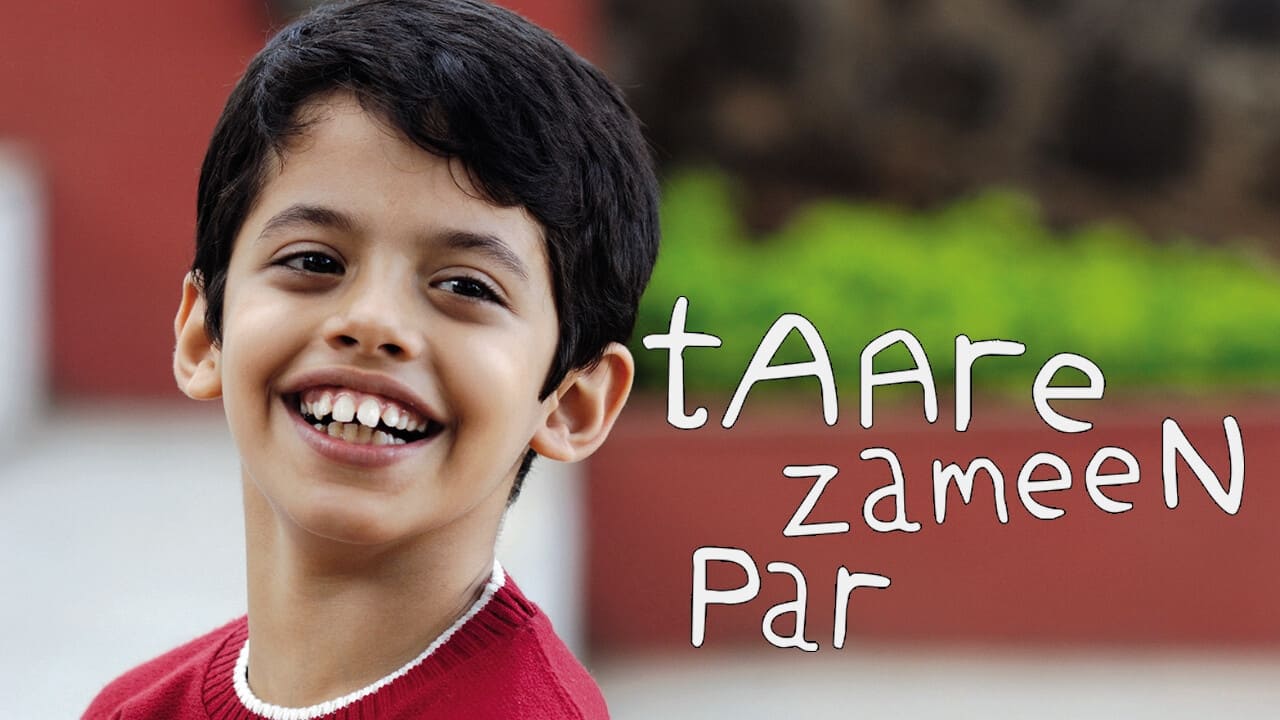
Ishaan's world is vividly imaginative—he sees colors, fish, dogs, and kites where adults see only homework and marks. The film celebrates his artistic talent and uses vibrant visual storytelling to show how dyslexia affects his perception. Ram Shankar Nikumbh's teaching methods are creative and unconventional, encouraging exploration and self-expression. The narrative invites viewers to see learning differences not as deficits but as different ways of experiencing the world, fostering curiosity and empathy.

Safe
73

Emotionally intense but purposeful. The film includes distressing scenes—Ishaan's isolation, parental anger, a schoolyard fight resulting in minor injury, and a brief firework-handling moment. The father's use of 'retard' and other mild language ('bloody,' 'shit,' 'hell,' 'goddammit') may require parental discussion. No nudity, gore, or sexual content. The emotional weight is significant: kids sensitive to rejection or family conflict may find certain scenes upsetting. BBFC notes 'mild language and derogatory terms,' and Common Sense Media suggests age 13, though the research summary indicates 8+ with parental guidance. The intensity is earned and serves the story, but it's not a breezy watch.

Enriching
95

Exceptional educational and emotional value. The film authentically portrays dyslexia, making it both a compelling drama and a teaching tool about neurodiversity. It builds empathy, challenges stigma around learning differences, and models advocacy for children's unique needs. The transformation arc—from misunderstood struggle to recognized talent—offers meaningful takeaways about patience, creativity, and the power of one caring adult. Critics praised its heartfelt storytelling (8.3 IMDb, 93% RT critic, 96% RT audience), and it's widely used to spark conversations about education, mental health, and family dynamics.

Parent Info

Why It Might Be Great

  • Authentic, compassionate portrayal of dyslexia that's both educational and deeply moving
  • Models the transformative power of one caring adult who sees a child's true potential
  • Visually imaginative storytelling that shows how Ishaan experiences the world differently
  • Sparks essential conversations about neurodiversity, empathy, and rethinking 'success' in school
  • Critically acclaimed (93% RT, 8.3 IMDb) with universal appeal across ages and cultures

What to Watch For

  • Emotionally heavy—scenes of parental anger, isolation, and a schoolyard fight may upset sensitive kids
  • Father uses the word 'retard' in frustration; it's a teaching moment but requires discussion
  • Mild language ('bloody,' 'shit,' 'goddammit') scattered throughout, spoken by adults
  • At 164 minutes, it's long—plan for breaks or split viewing for younger kids

Conversation Starters

  • "How do you think Ishaan felt when his parents didn't understand why school was so hard for him?"
  • "What did Mr. Nikumbh do differently that helped Ishaan? What made him a good teacher?"
  • "Have you ever felt like you were good at something that other people didn't notice or care about?"
  • "Why do you think Ishaan's dad called him names? What could he have done instead?"
  • "If you had a friend who learned differently, how could you be a good friend to them?"

Deep Dive

The three-hour hurdle

Let’s address the elephant in the room: this movie is nearly three hours long. In an era of 90-minute animated features, that feels like a marathon. But Taare Zameen Par isn't long because it’s bloated; it’s long because it refuses to rush Ishaan’s isolation. It wants you to feel the weight of his days.

If you’re watching with an eight-year-old, treat it like a miniseries. Break it at the halfway point when Ishaan heads to boarding school. It’s a natural "season finale" moment that lets the heavy emotional beats breathe. If you try to power through the whole 164 minutes in one sitting with a restless kid, the message might get lost in the fidgeting.

Beyond the "PSA" feel

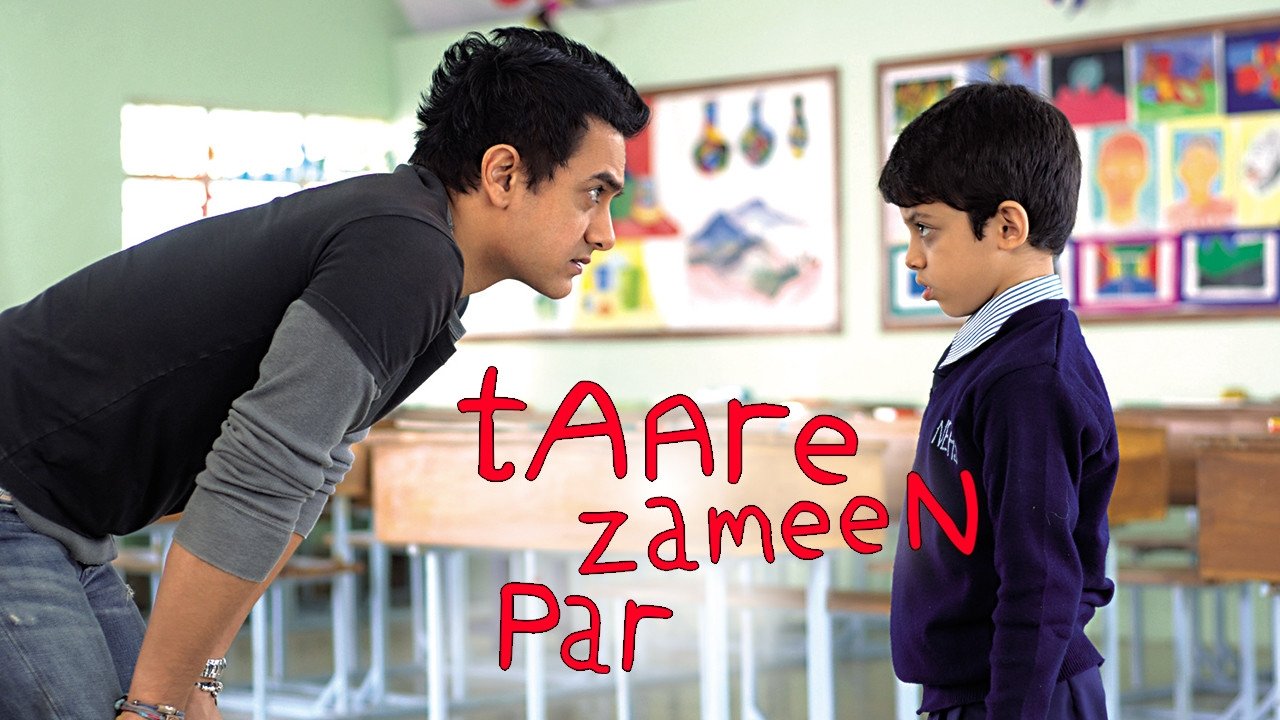
It would have been easy for this to feel like a dry educational video about dyslexia. Instead, it uses brilliant animation to put us inside Ishaan’s head. When the letters on his page start dancing or turning into wild animals, it isn't just a cool visual effect; it’s a portal. It helps neurotypical viewers understand that Ishaan isn't being "difficult" or "lazy"—his brain is simply tuned to a different frequency.

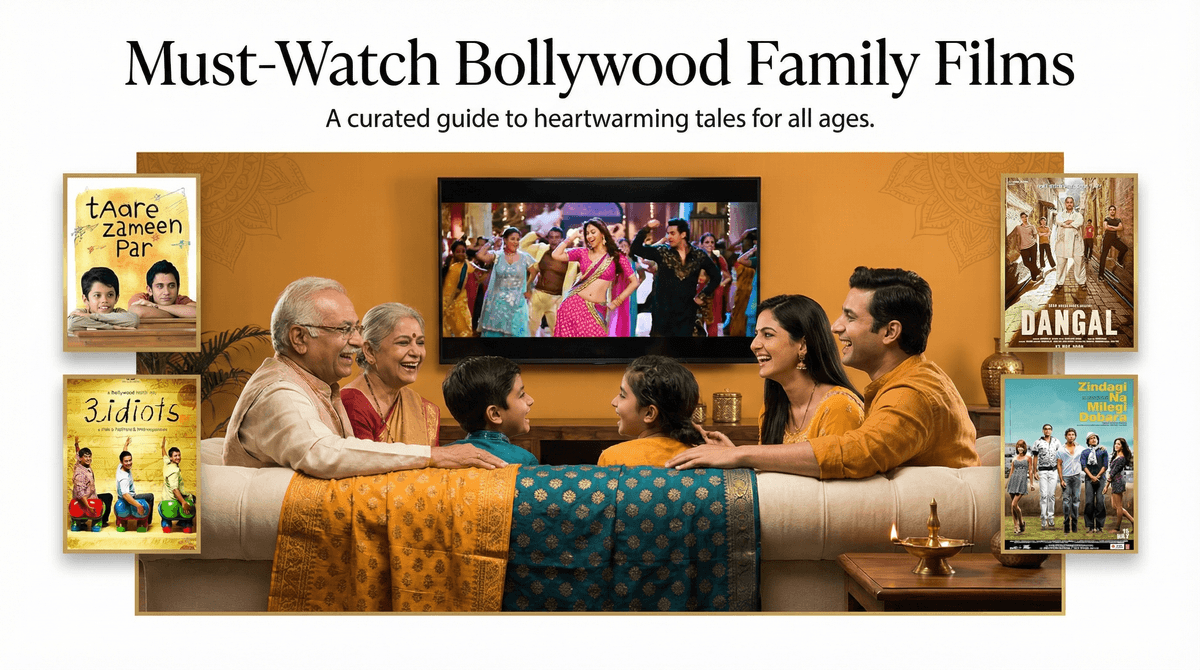
The father isn't a cartoon villain, either. He’s the embodiment of a specific "success at all costs" mindset that is still very much alive. The friction isn't just about a learning difference; it's about the narrow, suffocating definition of what a good kid looks like. This makes it a foundational entry in our guide to Bollywood Movies for Families: A Parent's Guide to Cultural Cinema.

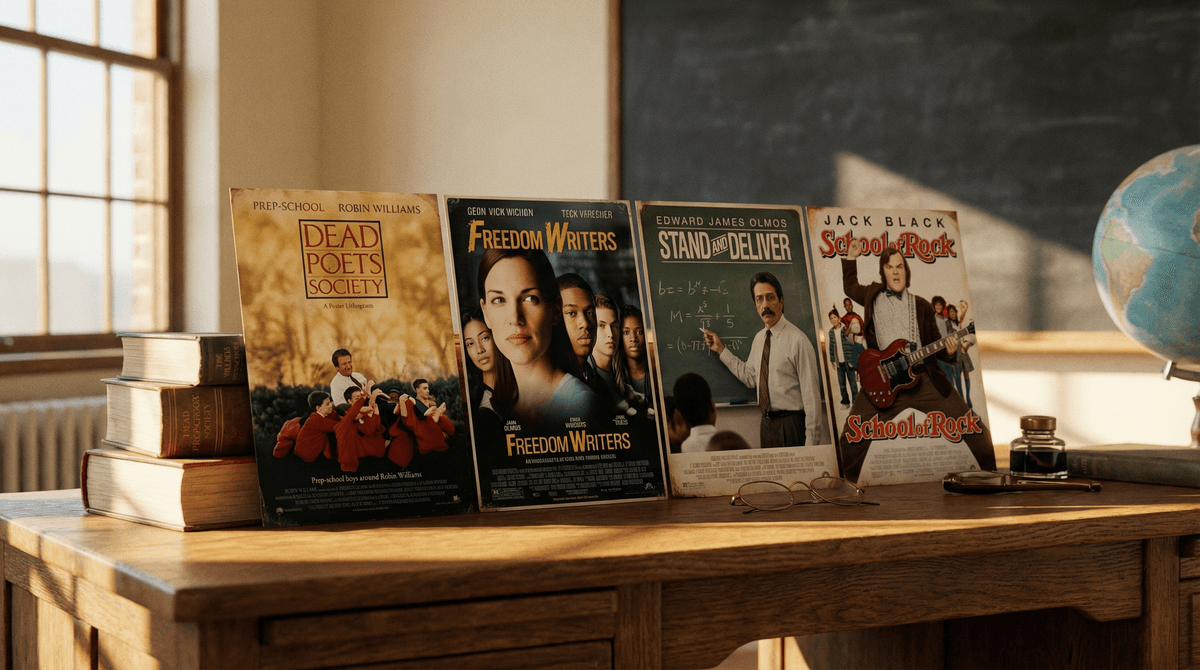
The "Dead Poets" of primary school

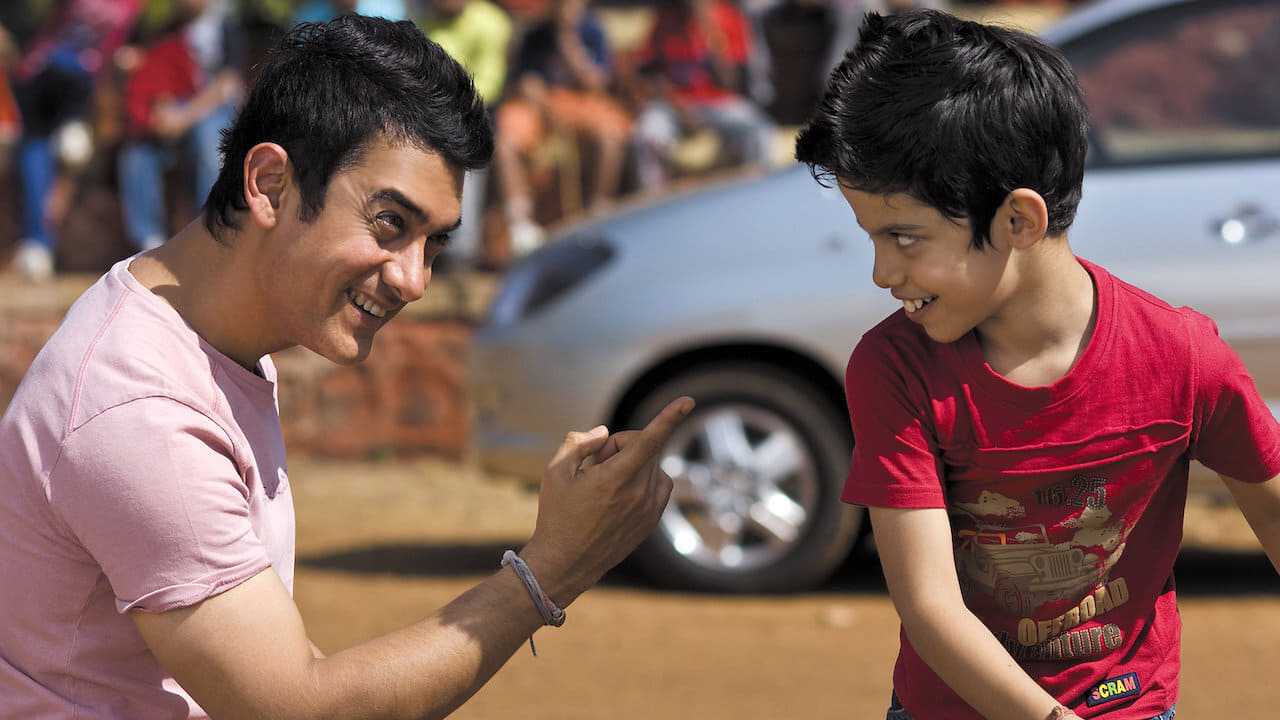
When the art teacher finally arrives, the movie shifts from a tragedy to a rescue mission. It’s one of the most effective movies with inspiring teachers because the support isn't just a montage of better test scores. It’s about restoring a child’s dignity.

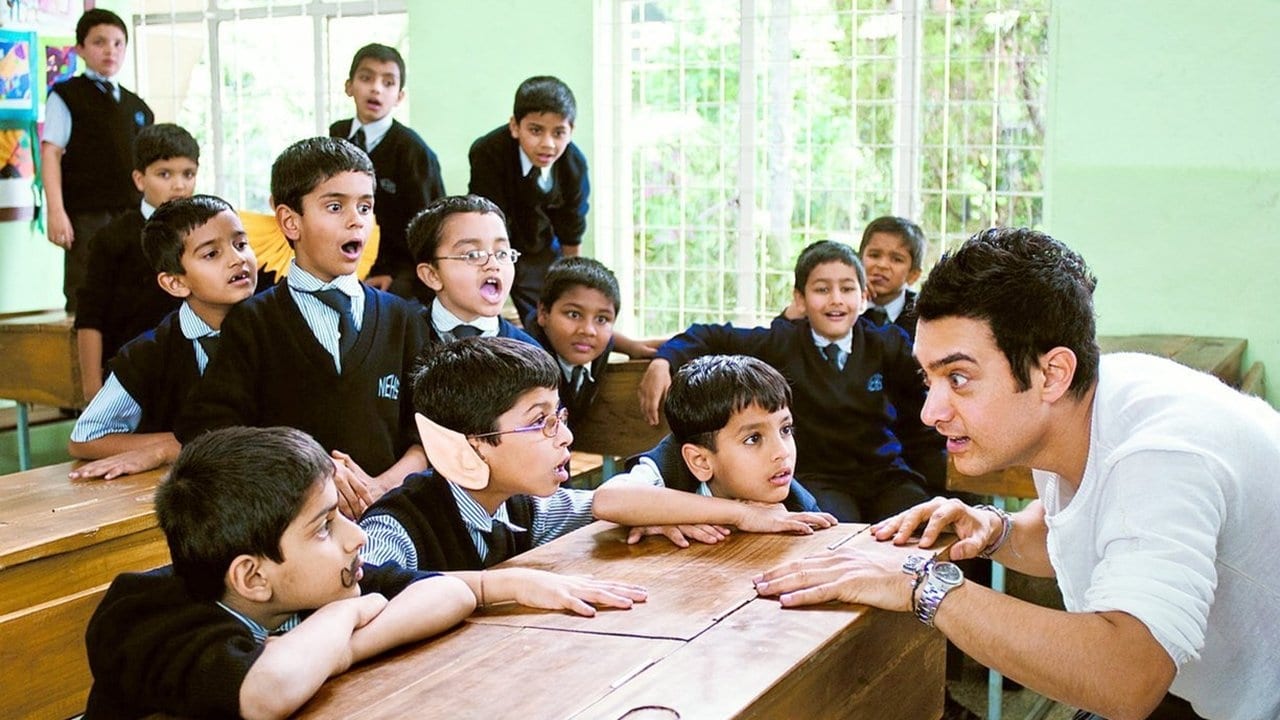
The scene where the teacher explains dyslexia to the class using examples of famous geniuses might feel a bit on-the-nose for adults, but for a kid who has been told they are "slow" for years, it’s pure oxygen. It’s a reminder that the goal of education isn't just to produce workers, but to keep a child’s spark from being snuffed out by a rigid system.

Why it sticks

You’ll likely find yourself humming the soundtrack long after the credits roll. The music does a lot of the heavy lifting, especially during the "Maa" sequence, which is a total gut-punch. It’s a rare film that captures the specific ache of childhood homesickness so accurately.

If your kid liked Wonder or The Boy Who Harnessed the Wind, this is the logical next step. It’s a big, emotional, unapologetic story that proves why some of the best Bollywood family movies are the ones that aren't afraid to let things get a little messy before they get better.

Stills
Taare Zameen Par — still 1
Taare Zameen Par — still 2
Taare Zameen Par — still 3
Taare Zameen Par — still 4
Taare Zameen Par — still 5

Ask Anything

Get a personalized guide on any topic

Related Guides