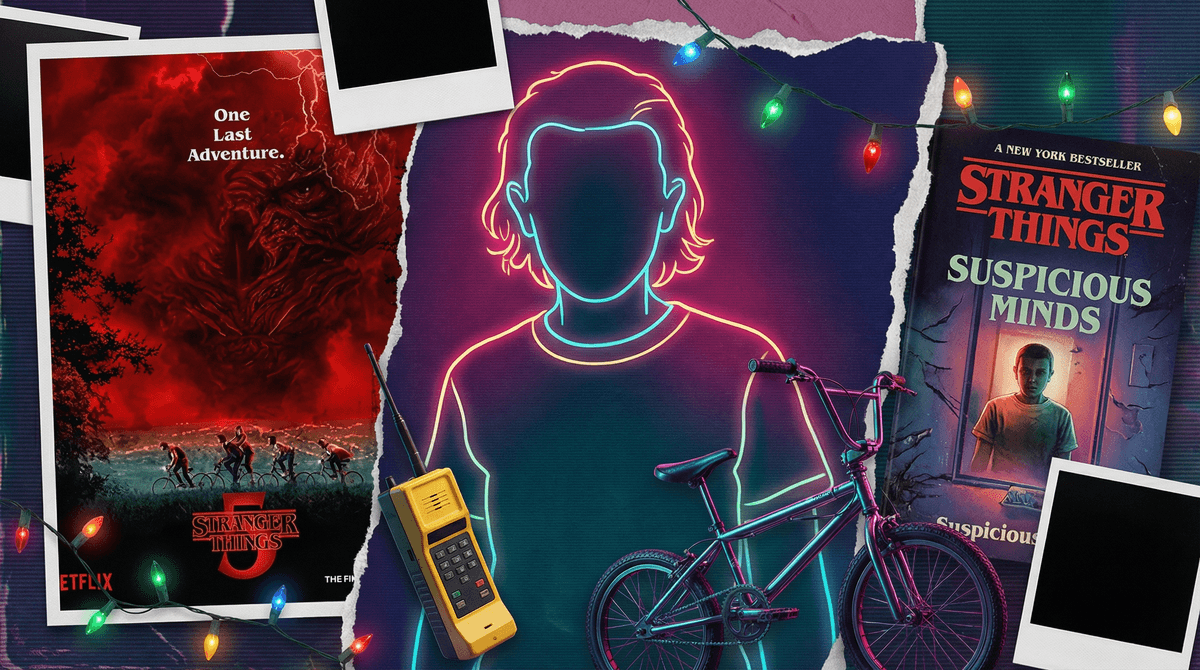
The 1969 vibe shift
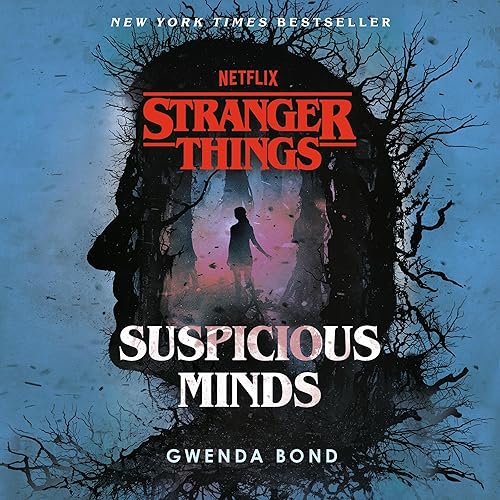
If your kid is chasing the neon-soaked, synth-heavy 80s nostalgia of the show, they won't find it here. Suspicious Minds drops the "kids on bikes" energy for a 1969 setting that feels more like a paranoid Cold War thriller. It’s a smart move by author Gwenda Bond. Instead of retreading the same ground, we get the Vietnam War, the moon landing, and a much grittier look at the MK-Ultra experiments that birthed the Hawkins Lab mess.
It’s worth noting that while the show uses horror as a spectacle, this book uses it as a psychological weight. The "monsters" here are men in lab coats and the slow erosion of Terry Ives's sanity. If your teen is used to the jump-scares of the Upside Down, they might find the first half a bit slow, but the payoff for Eleven’s lore is massive.
Why the lore matters
We all know Eleven as the powerhouse who loves Eggos, but her mother, Terry, was always a tragic footnote in the series. This book turns her into a proactive, sharp protagonist. It fills the gaps for Eleven’s iconic character history in a way that makes her eventual appearance in the show feel much more earned.
You’re getting the "how" and "why" behind Dr. Brenner’s obsession. Brenner is written with a clinical, detached cruelty that is arguably more unsettling on the page than he is on screen. For fans who want to understand the systemic rot of the lab, this is the essential text.
Where it sits in the franchise
This was the first official tie-in, and it set a high bar for the books that followed. Compared to the other Stranger Things prequel novels, Suspicious Minds is arguably the most "adult" in its themes. While Runaway Max or Lucas on the Line deal with middle-school social dynamics and personal growth, this book deals with government-sanctioned drug use and institutional gaslighting.
"The story follows Terry Ives—Eleven’s mother—in the summer of 1969 as she volunteers for a secret government experiment."
The 4.6 Amazon rating is well-deserved, but the "hot mess" critique some readers have mentioned usually refers to the jumping perspectives. It can be a lot to track. If your kid prefers a linear, single-hero journey, they might find the ensemble cast of test subjects distracting. However, for the reader who loves a "assembling the team" trope, seeing these psychic outcasts band together is the highlight of the book.
The "History Class" angle
One of the coolest ways to use this book is as a springboard into real-world history. MK-Ultra wasn't just a plot device for Netflix; it was a real, horrifying CIA program. If your kid walks away from this asking if the government actually gave people LSD in the 60s, you’ve got a wide-open door to talk about ethics in science and government accountability. It’s one of those rare tie-ins that actually feels substantive rather than just a quick cash-in on a popular brand.