The Weekend Payoff
Most farming games stumble on the same hurdle: the mid-game doldrums. You clear the field, establish automated sprinklers, dump everything into an invisible shipping bin at dusk, and wait for your bank account to swell. Grand Bazaar sidesteps that trap by building its entire gameplay cadence around Zephyr Town's weekly market.
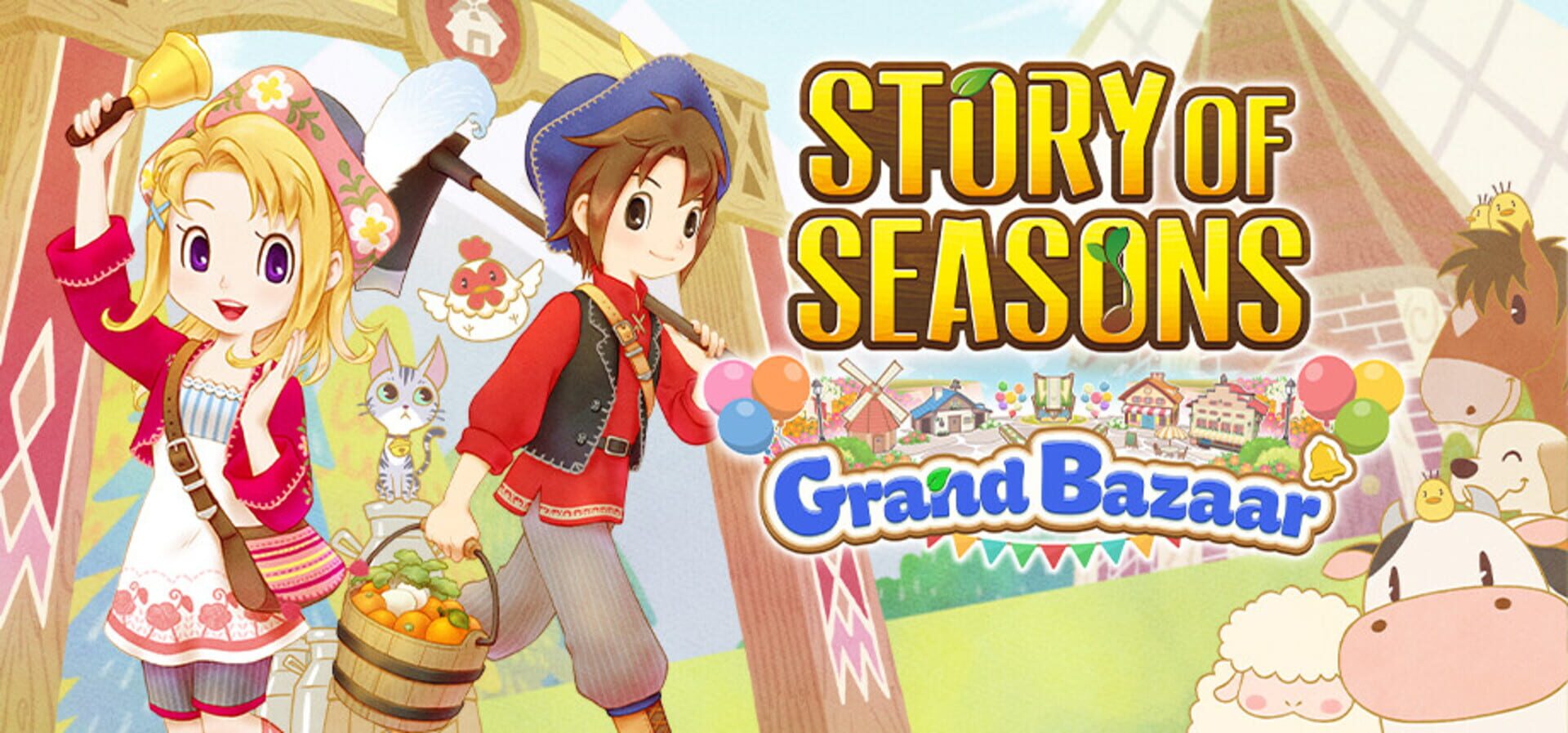
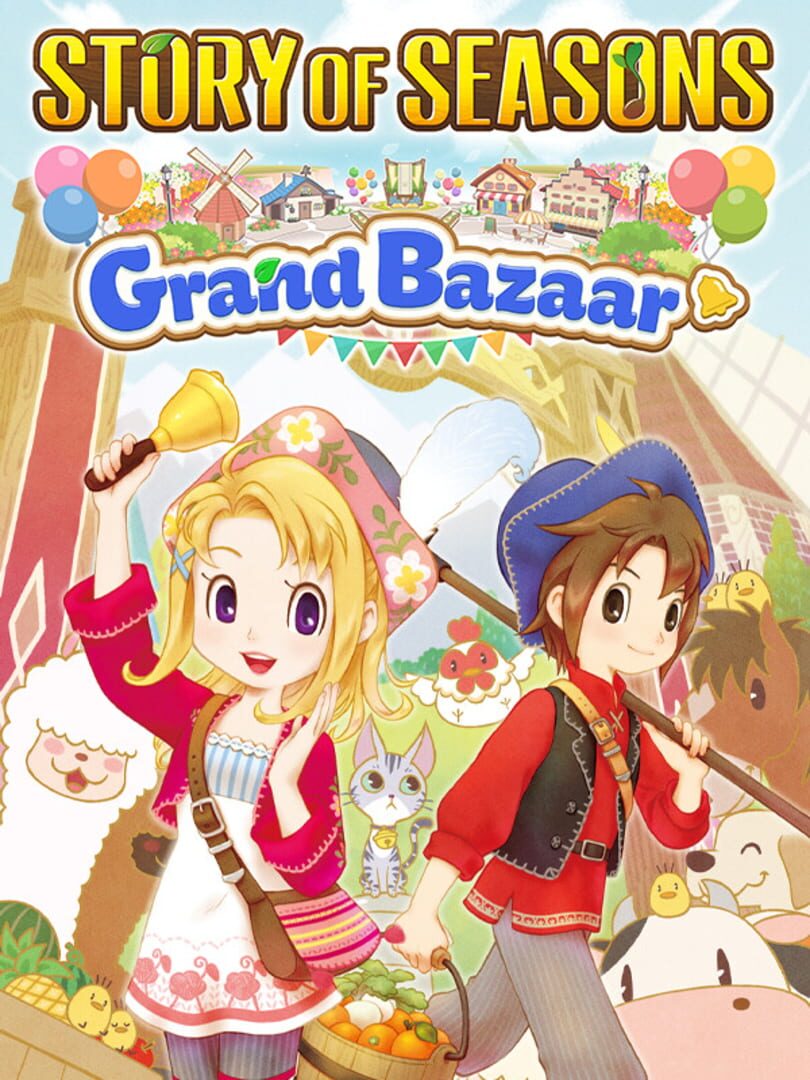
Throughout the week, you farm, forage the hillside, and use the town's giant windmills to process raw ingredients into artisan goods. When Saturday arrives, the pace shifts into an active mini-game. You stock your counter, ring a bell to attract foot traffic, restock mid-rush, and watch your earnings fund the town's upgrade goals. That shift in rhythm gives every game week an actual climax.
Time Management Without the Panic
While games like Stardew Valley feature combat in mines that can spike stress levels for younger players, Grand Bazaar stays firmly pastoral. There are no monsters and no combat bars to monitor. The primary source of tension is the ticking 24-hour clock. Crops wither if neglected across season changes, and town shops keep distinct operating hours.
For a 7- or 8-year-old, this acts as a low-stakes lesson in prioritization. If they spend half the morning chasing grasshoppers near the river, they might not have time to brush the sheep before the sun sets. The game never punishes this harshly—the sheep simply stay mildly grumpy, and tomorrow is another day.