The lunchbox stakes
If you’re used to the high-octane pacing of modern animation, Stanley Ka Dabba will feel like a deliberate change of gear. It’s a movie where the primary conflict revolves around a missing tiffin box, yet it manages to feel more urgent than most superhero sequels. While Hollywood often relies on world-ending threats, this film understands that for a school kid, the social politics of the lunch break are the entire world.
If your family is starting to explore best Indian family movies, this is a foundational pick. It doesn't have the massive musical numbers or three-hour runtime of a typical blockbuster. Instead, it offers a naturalistic, almost documentary-style look at childhood. It’s part of a wave of top Indian family movies that prioritize heart and social realism over spectacle.
Not your average villain
The antagonist here isn't a monster or a criminal. He’s a greedy, lunch-stealing teacher. It’s a specific kind of "petty" villainy that kids find particularly infuriating because it feels real. We’ve all encountered an adult who abuses a tiny bit of power, and watching the students band together to protect Stanley from this guy is genuinely cathartic.
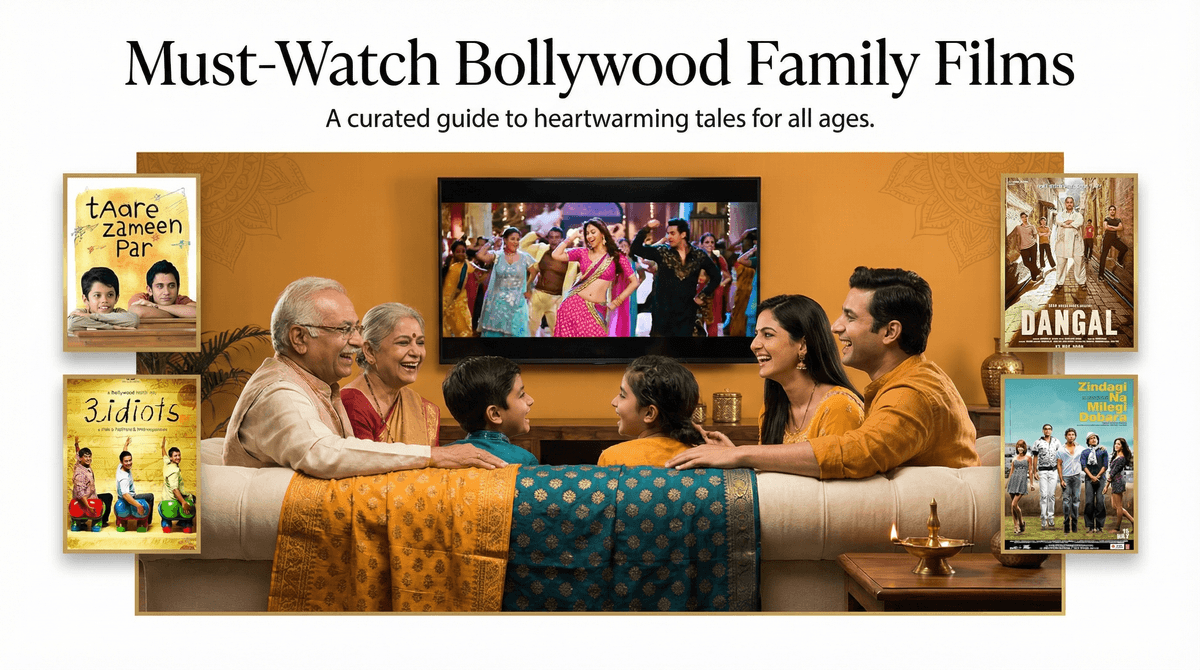
The film does a brilliant job of showing, rather than telling, the reality of food insecurity. It doesn't sit you down for a lecture on poverty. You just see the quiet shame of a kid who has to hide during lunch breaks. It’s a powerful way to build empathy in older kids who might take their own packed lunches for granted. If you’ve already seen Taare Zameen Par—which is often the entry point for family friendly bollywood movies—you’ll find this to be a perfect thematic companion.
The subtitle strategy
Let’s talk about the friction. This is a 2011 Hindi-language film, which means you’re dealing with subtitles. For a nine-year-old, that can feel like homework if you don't frame it right. This isn't a movie you put on in the background while kids are playing with Legos. It requires focus.
The good news is that the visual storytelling is so strong that the dialogue often takes a backseat. You can see the hunger, the friendship, and the fear on the kids' faces without needing a translation. If your kid is a reluctant reader, this might be a tough sell, but for a 10 or 11-year-old, it’s a great way to bridge the gap into "grown-up" international cinema.
Why it sticks
Critics and audiences have given this high marks (7.8 on IMDb and an 80% audience score on Rotten Tomatoes) for a reason. It avoids the "misery porn" trap that many films about poverty fall into. Stanley is resilient, creative, and well-liked. He isn't a victim to be pitied; he’s a hero to be rooted for.
The ending delivers a punch that most parents won't see coming, shifting the movie from a lighthearted school comedy into something much deeper. It’s the kind of film that stays with you long after the credits. You’ll likely find yourself talking about it at dinner, which is the highest compliment you can give a "family" movie. It’s less about being entertained for two hours and more about seeing the world through someone else’s eyes.