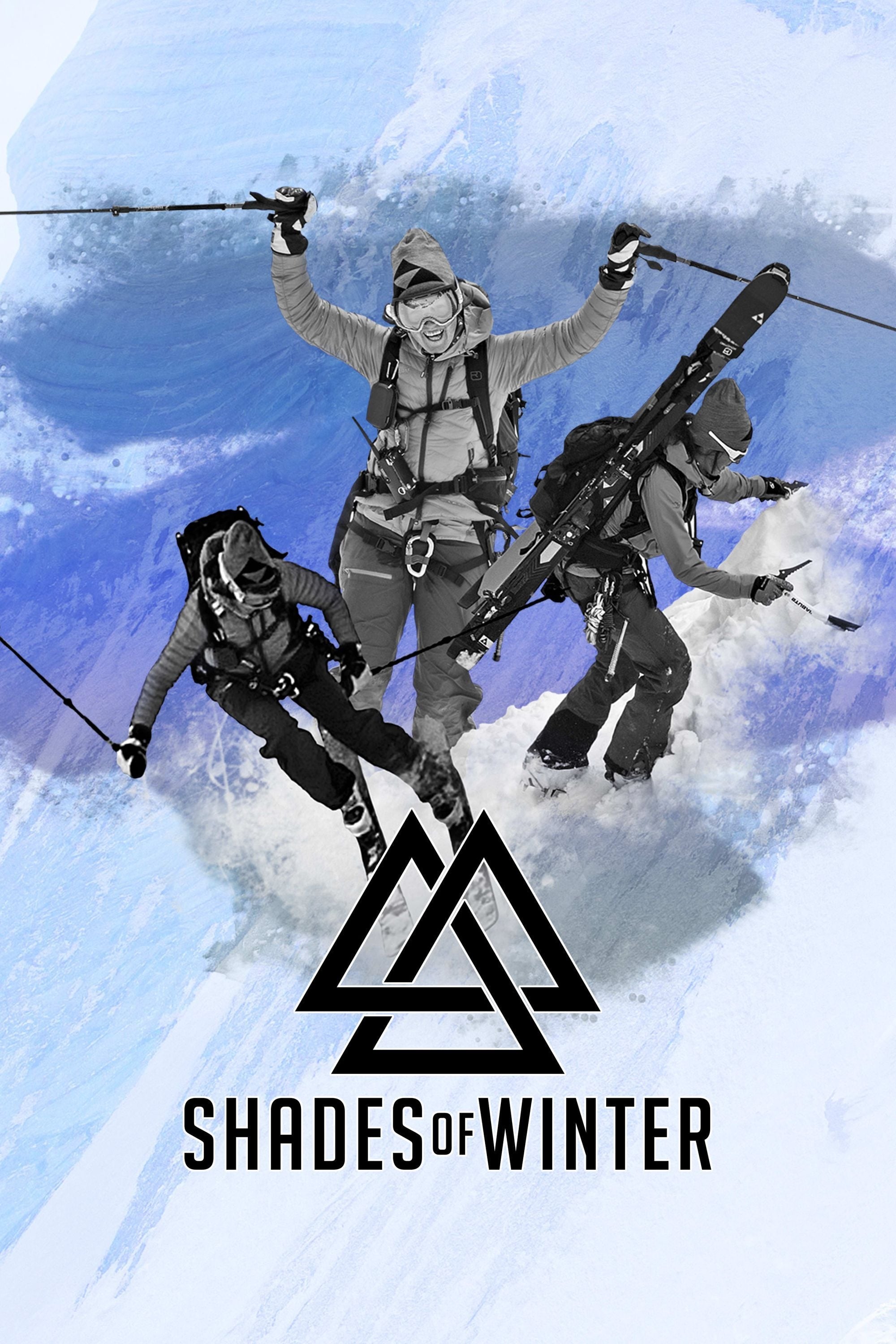
Most ski movies from the early 2010s feel like a loud, neon-soaked frat party. Shades of Winter is different. It trades the "bro" energy for a focused, almost meditative look at what happens when some of the best athletes in the world get a budget to go wherever they want. Since it's an all-female cast, you might expect a certain amount of "you go girl" marketing fluff, but the film is smarter than that. It treats the skiing as the primary language.
The Japan factor
The Japan segment is the standout for younger viewers. While big mountain lines in Alaska are impressive, they can feel a bit abstract to a kid. But the "pillows" of Japan—massive stacks of snow on trees and rocks—look like a real-life video game level. It’s bouncy, visual, and easy to track. If your kid is already obsessed with the winter Olympics or spends their weekends trying to hit the small jump at the local hill, this is the blueprint.
It’s also a great entry point if you're trying to move them away from hyper-edited social media clips. The shots here are long enough to show the setup, the execution, and the landing. You actually see the mountain, not just a three-second blur of a backflip.
Freestyle vs. Big Mountain
The Nine Queens section in Austria is where the movie shifts from backcountry exploration to technical wizardry. This isn't just about surviving a mountain; it's about style. You’ll see the kind of aerial rotations and grabs that usually dominate professional competitions. For a parent, it’s a good way to talk about the difference between big mountain skiing (Haines, AK) and freestyle. One is about reading the terrain and respecting the cliff edge; the other is about mastering physics and repetition.
If you’re looking for more modern options or perhaps something with a bit more narrative structure, check out our list of the best ski movies and short films for kids.
Why the 2013 timestamp works
You might worry that a decade-old sports doc would feel sluggish compared to the 4K, drone-heavy footage we see now. Surprisingly, the lack of over-the-top post-production helps. You get a better sense of the actual speed and the sound of the snow. It feels grounded.
There are crashes, and they are loud. But because these are professionals, the story of the crash is usually about the recovery. It’s a useful counter-narrative to the "perfect" runs kids see on TikTok. You see the work, the fear, and the reset. If you have a kid who gets frustrated when they can't nail a new skill immediately, pay attention to the segments where the athletes scout a line multiple times before dropping in. It’s a lesson in calculated risk versus reckless behavior.