Why the 1951 version still wins
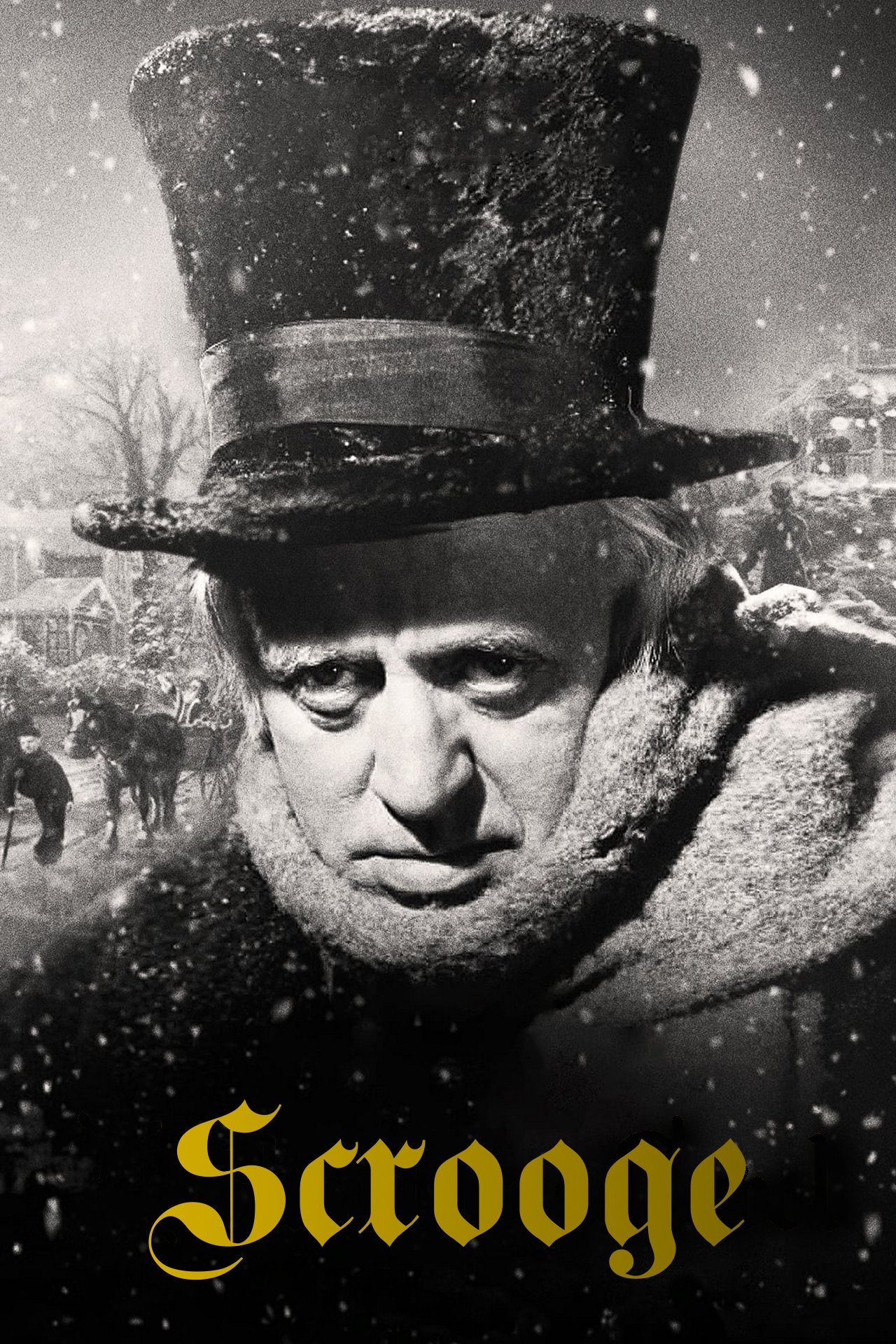
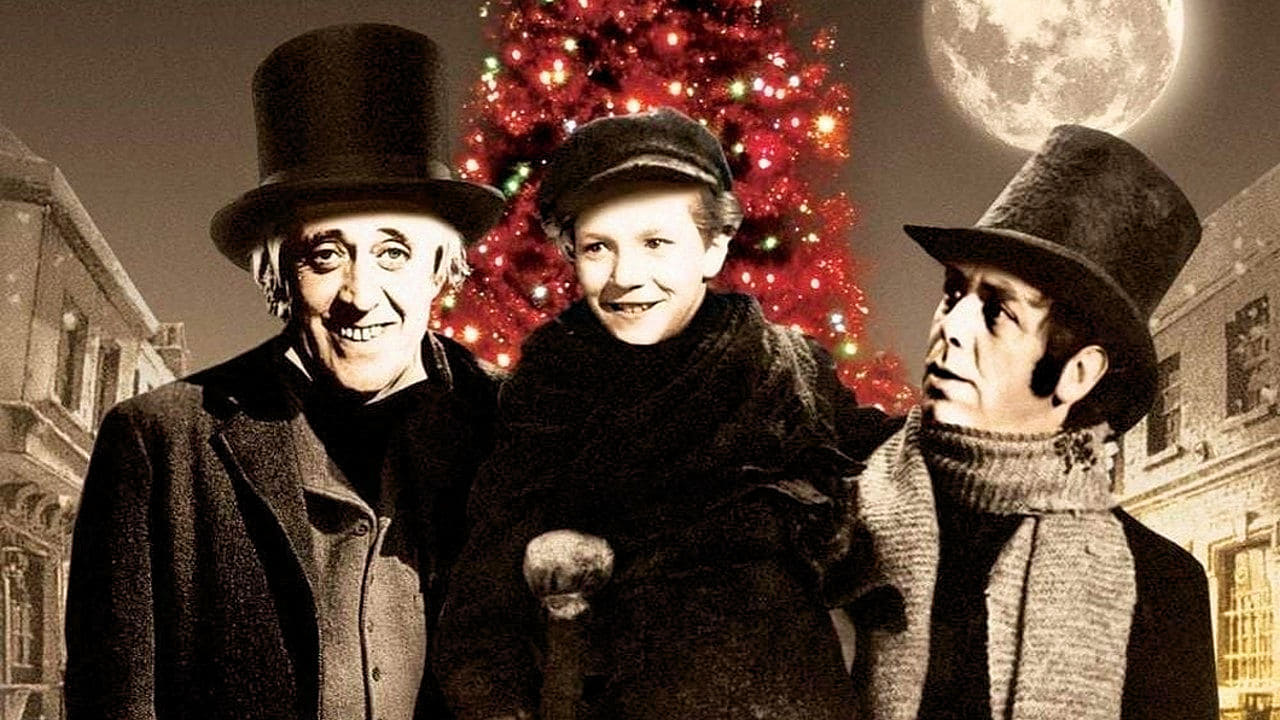
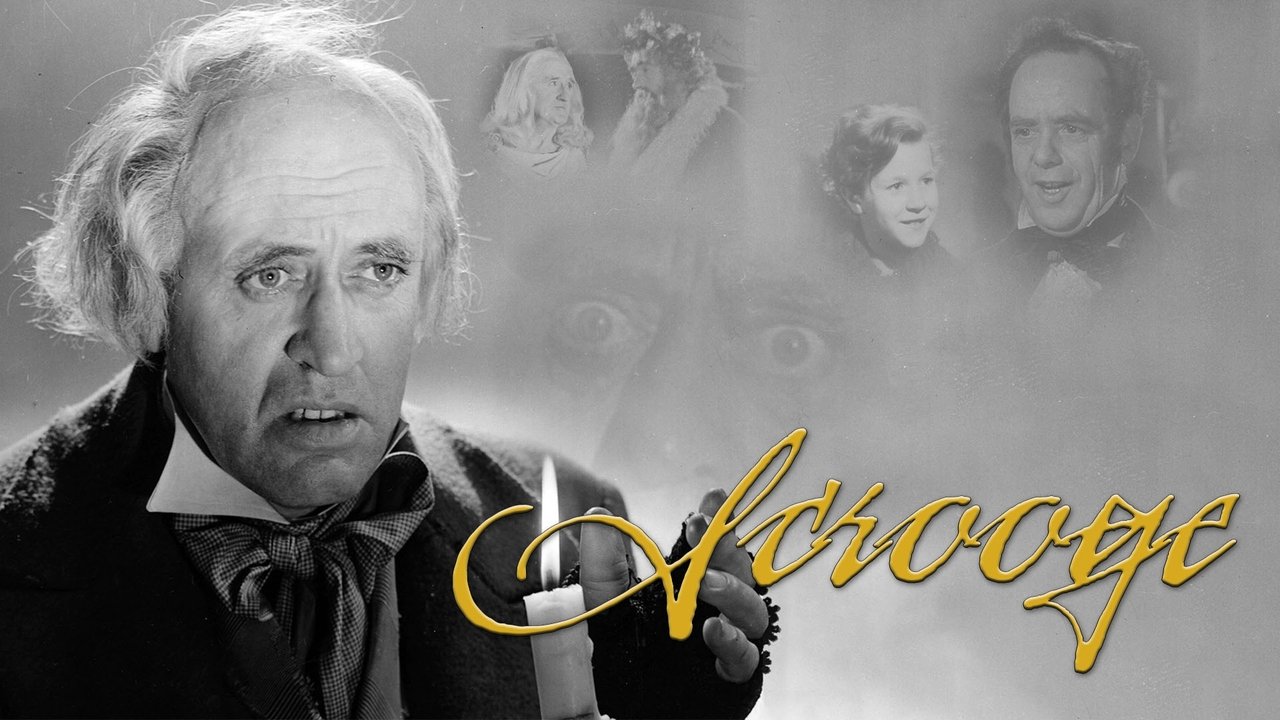
Every generation gets a new A Christmas Carol. We’ve had the Muppets (excellent), Jim Carrey (uncanny valley), and Bill Murray (cynical 80s gold). But the 1951 Scrooge remains the benchmark because it understands that for the redemption to matter, the man has to be truly miserable first.
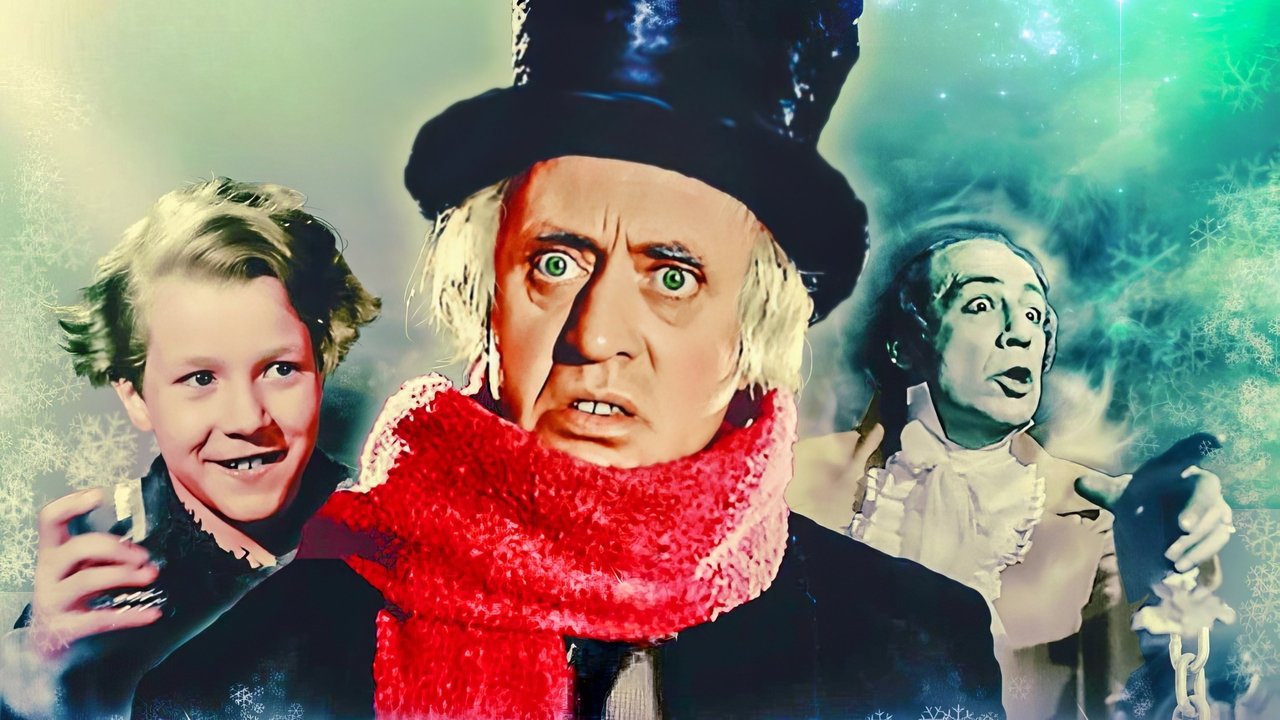
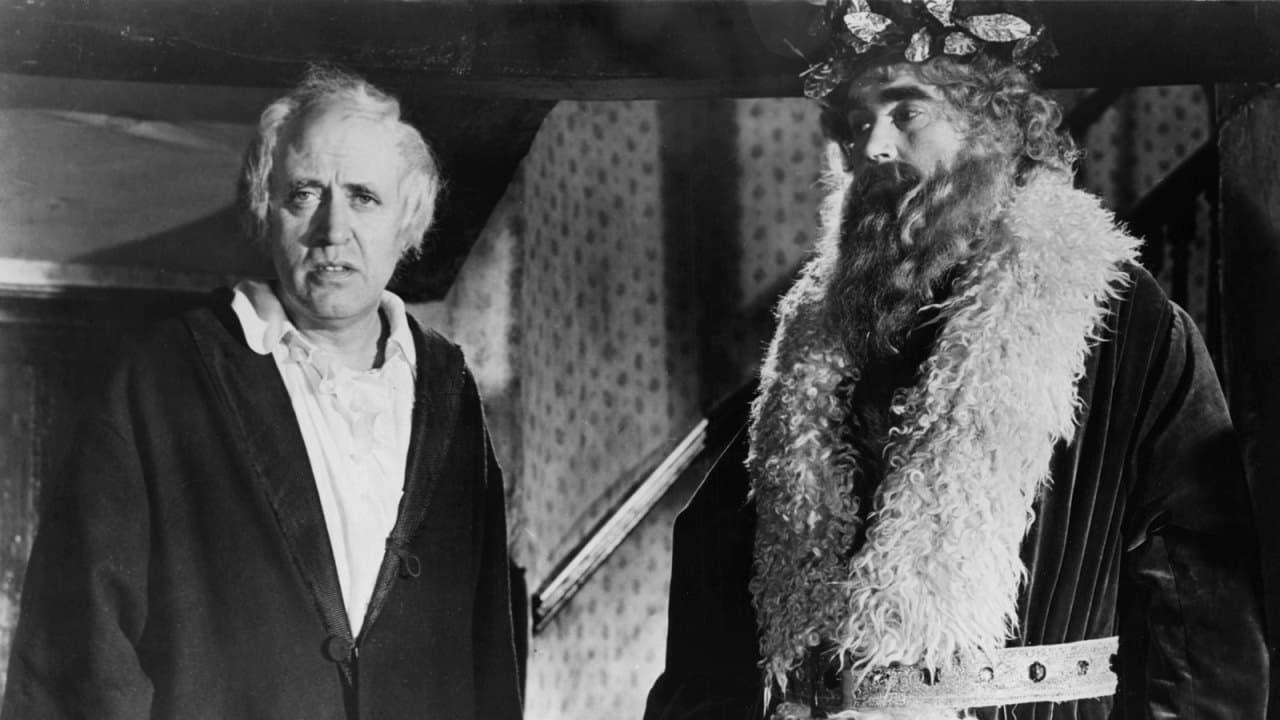
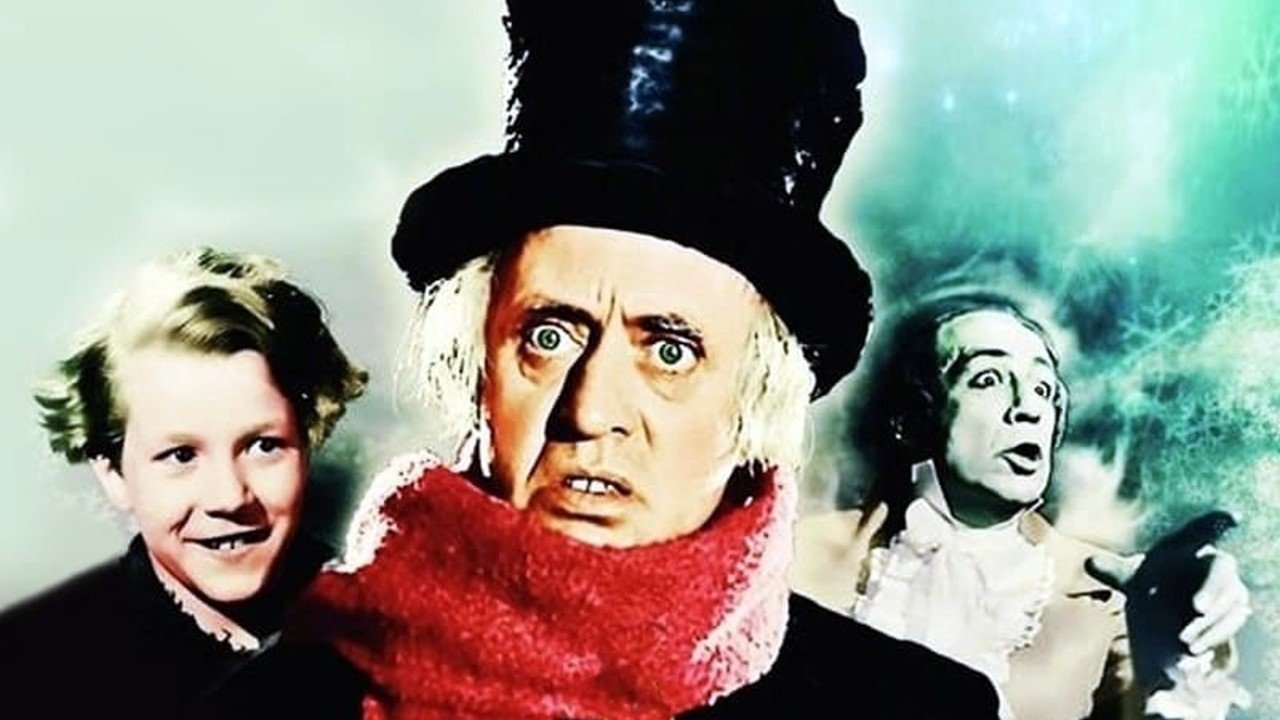
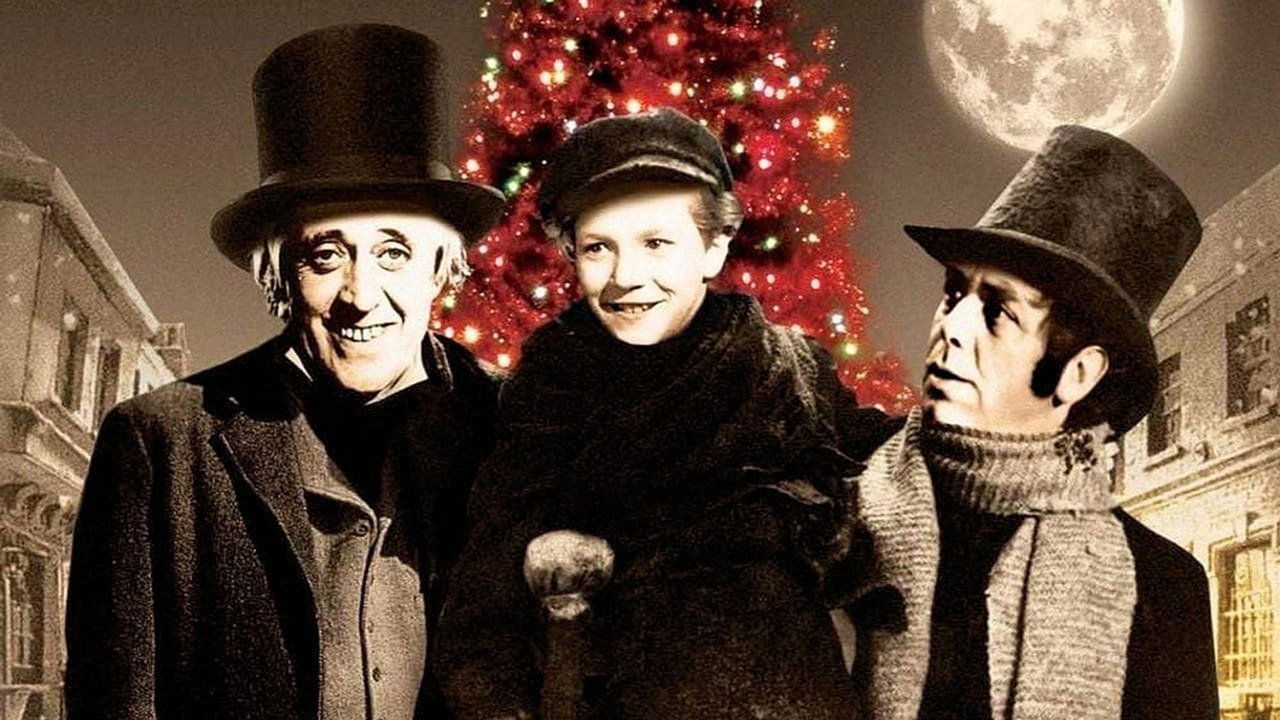
Alastair Sim is the secret weapon here. Most actors play Scrooge as a cartoon villain. Sim plays him as a man who has systematically extinguished every spark of joy in his life until he's just a husk. When he finally 'wakes up' on Christmas morning, his giddiness feels like a physical release. It’s one of the most infectious scenes in cinema history.
The 'Old Movie' Hurdle
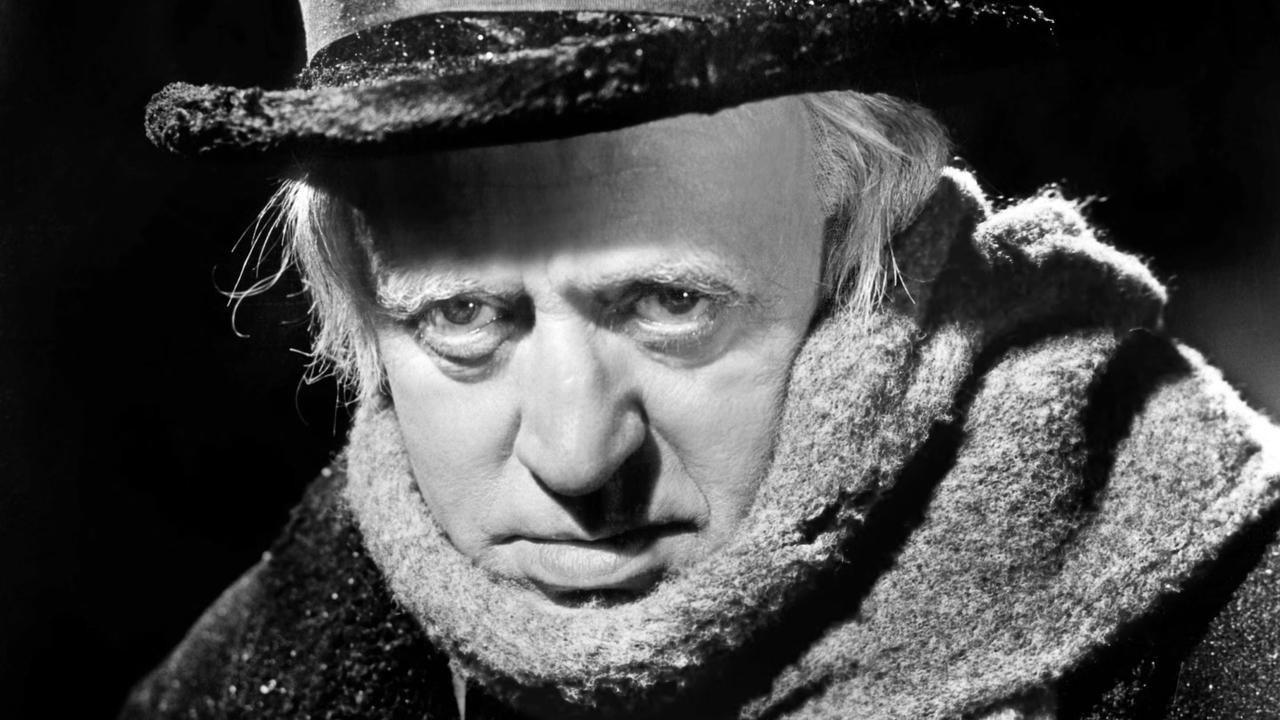
Let’s be real: convincing a kid in 2026 to sit down for a black-and-white movie from the mid-century is a hard sell. The audio can be a bit thin, and the shadows are deep. But if you frame it as a ghost story rather than a 'holiday movie,' you’ll have better luck. This film leans into the Gothic elements of the source material. It’s meant to be haunting.
Literacy and Context
Watching this is a stealth literacy win. The dialogue stays remarkably close to Dickens' prose, exposing kids to complex sentence structures and Victorian vocabulary that they won't find in Despicable Me. It’s also a great springboard for talking about the Industrial Revolution, workhouses, and why a 'shilling' mattered so much to the Cratchit family. If you're going to watch one version of this story, make it this one.