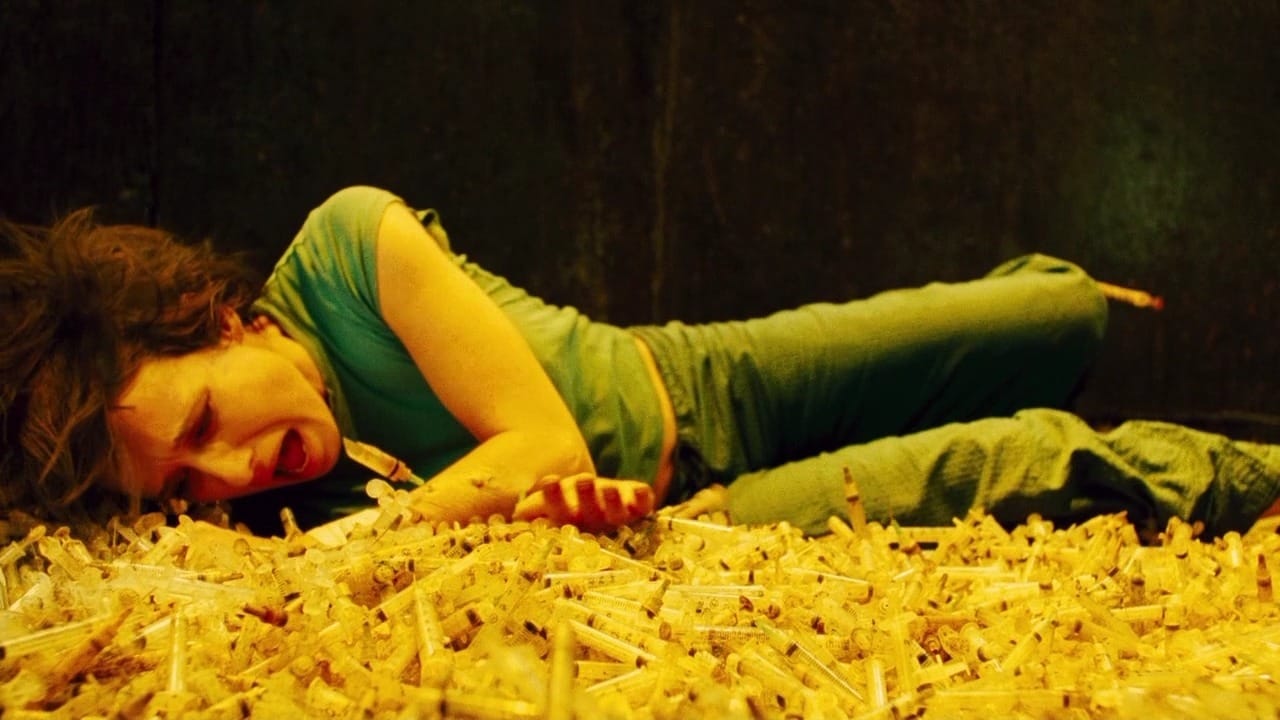
The Needle Pit and the Shift in Horror
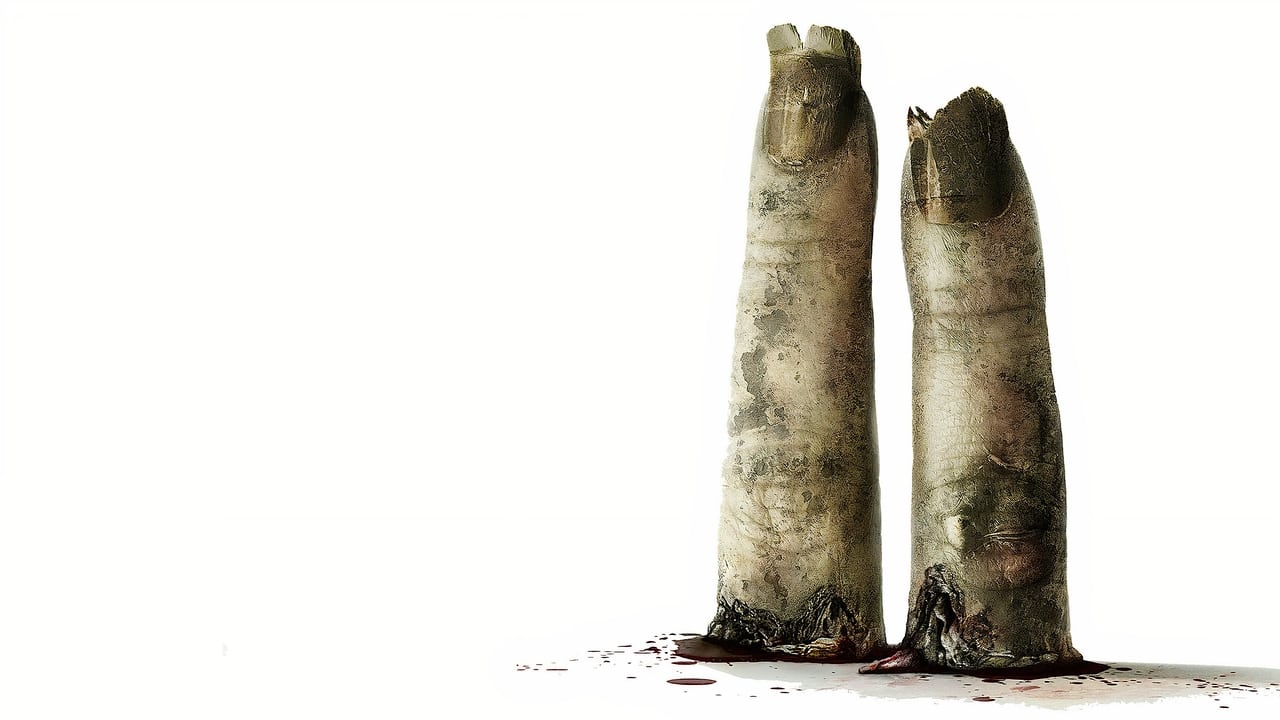
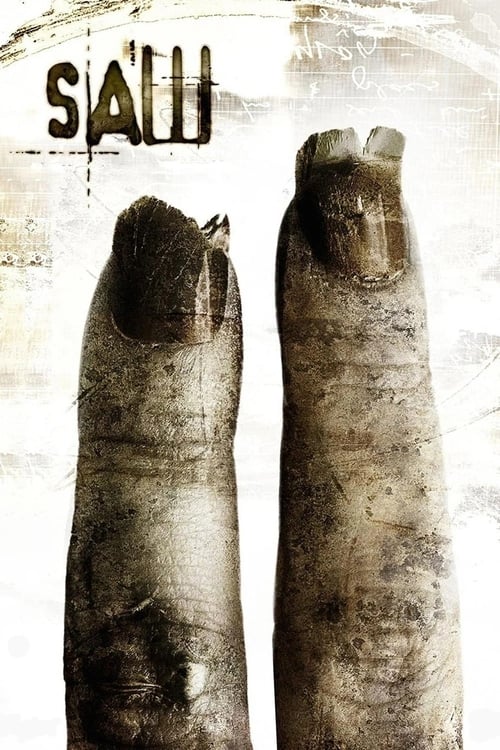
In 2005, Saw II did something the first movie didn't quite do: it made the traps the stars. While the original Saw was a relatively contained police procedural with a nasty hook, the sequel blew the doors off the 'torture porn' subgenre. It’s the film that introduced the idea of a 'house' full of traps, a concept that has been mimicked by everything from Escape Room to various low-budget knockoffs.
For a parent, the context matters because this isn't just a scary movie with a boogeyman. It's visceral body horror. The fear doesn't come from a ghost jumping out of a closet; it comes from the empathetic pain of watching a character have to make a choice between their own flesh and their life.
Why it holds up (and why it doesn't)
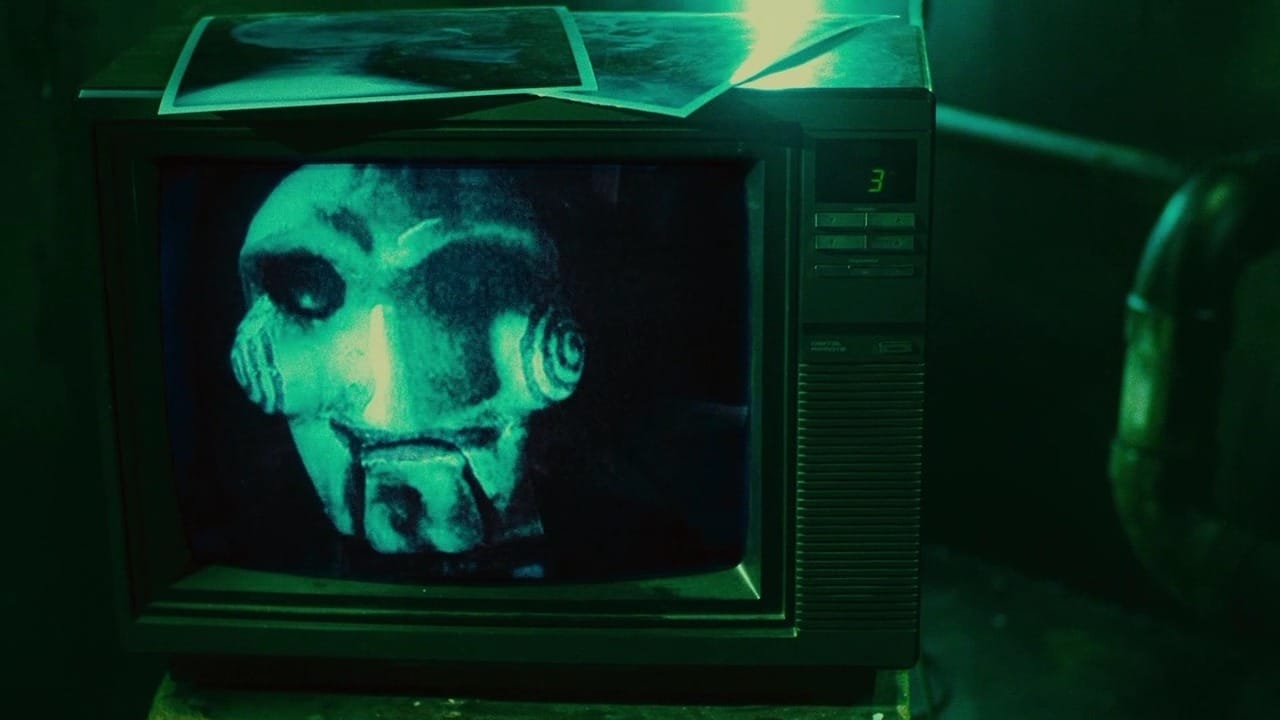
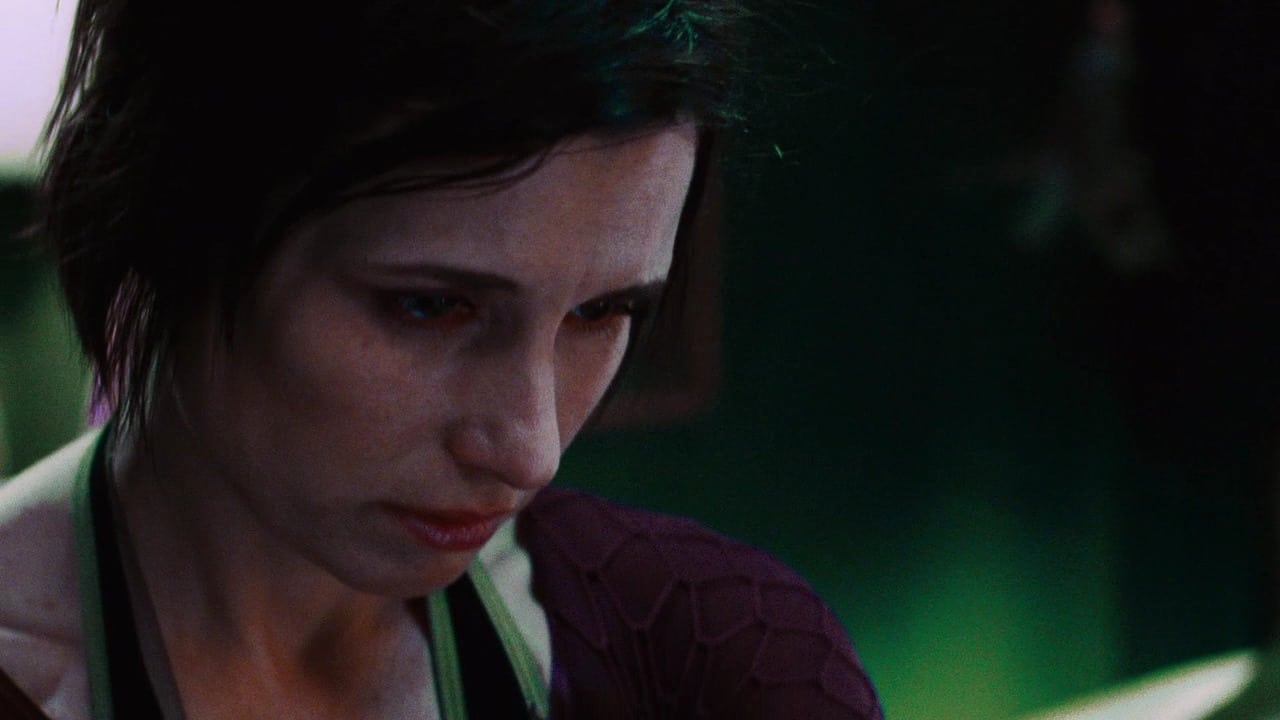
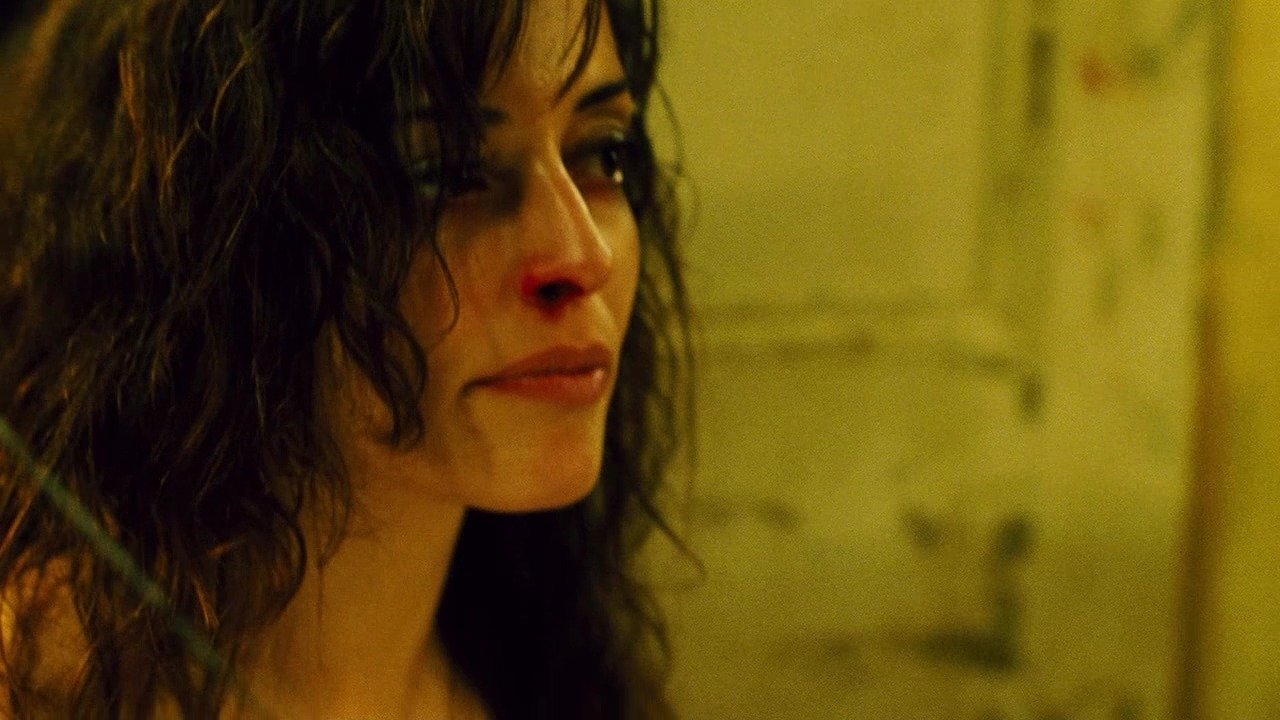
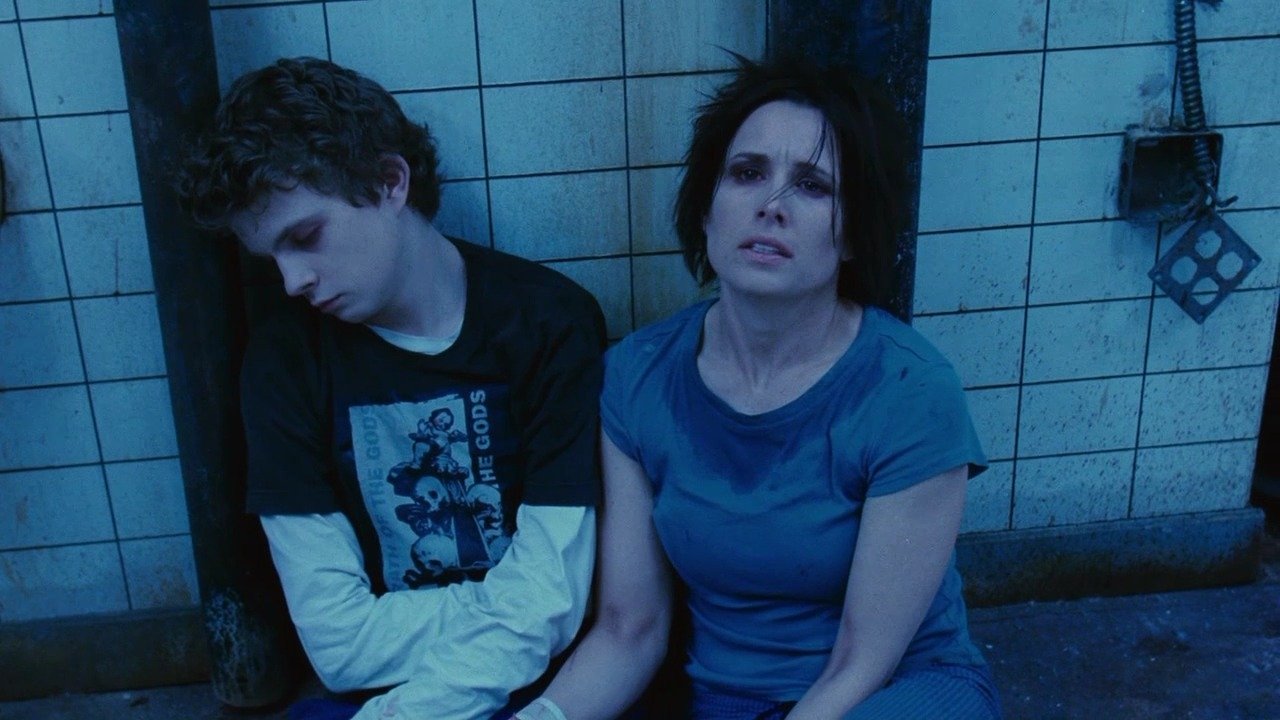
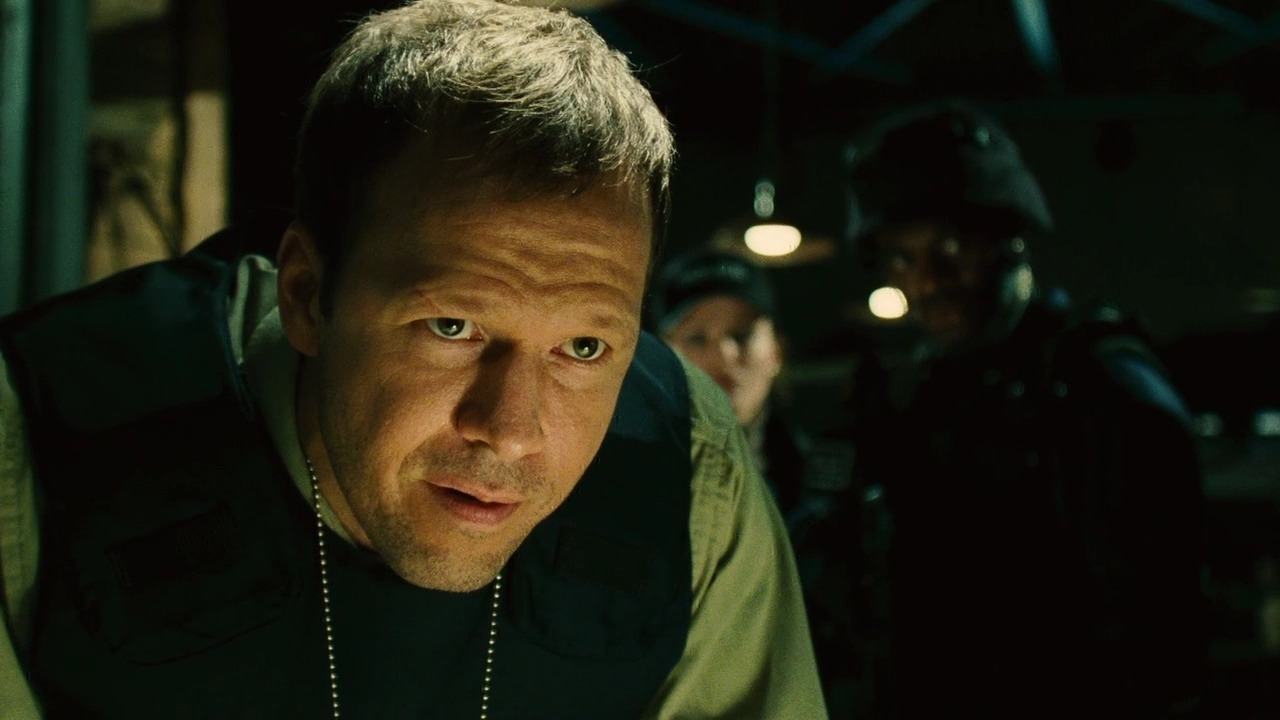
Visually, the movie is very '2005.' It has that high-contrast, sickly green-and-yellow color grade that was everywhere after The Matrix and Seven. For a modern kid, it might look a bit like a music video from twenty years ago. However, the practical effects are still terrifyingly effective. There is a weight to the rusty metal and the blood that CGI often fails to capture.
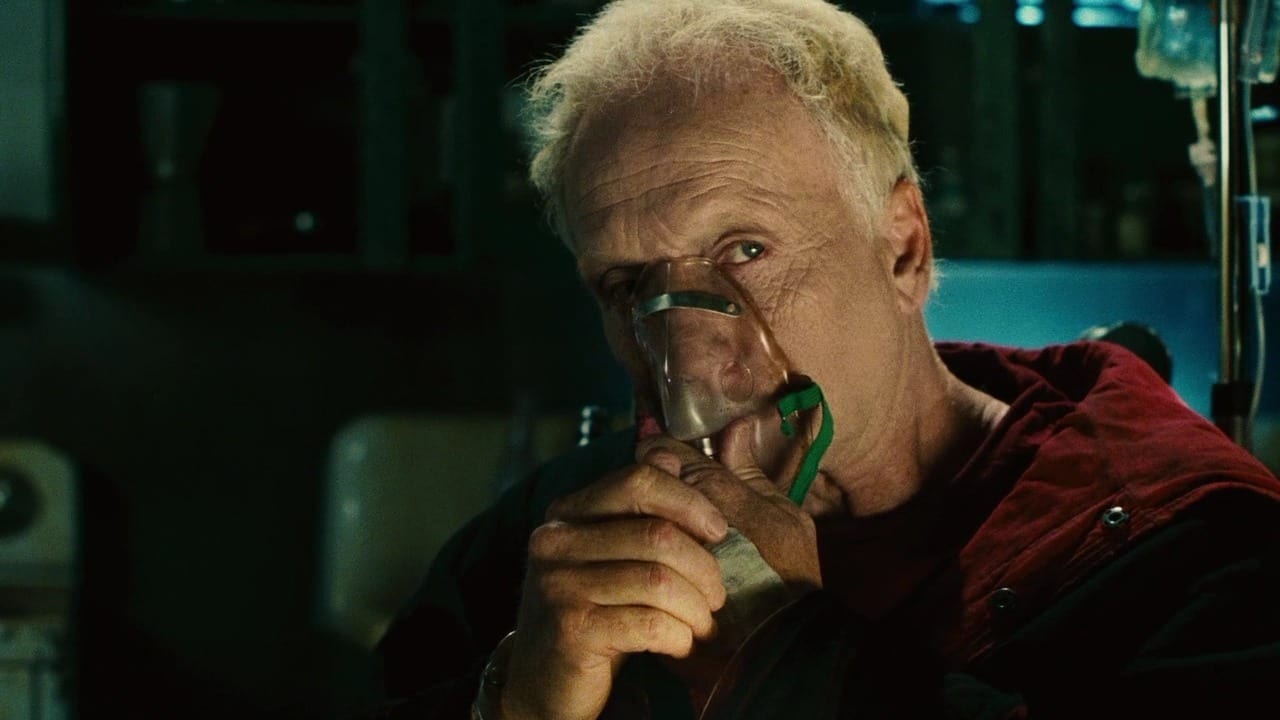
If you have a teen who is genuinely interested in the philosophy of horror, this is a case study in nihilism. Jigsaw’s logic—that you only appreciate life when you're about to lose it—is a dark, twisted take on gratitude that can actually lead to some interesting (if heavy) dinner table conversations. But make no mistake: this is a 'black diamond' run for media consumption.