The Gateway Drug to Computer Science
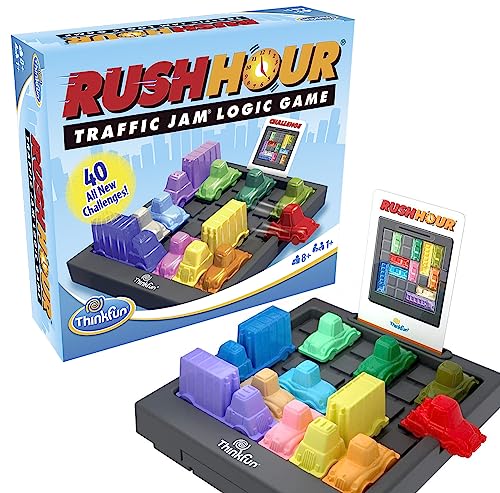
There’s a reason you’ll find Rush Hour in the toy closets of almost every software engineer. At its core, the game is about algorithmic thinking. To get the red car out, you have to move the green truck, but to move the green truck, you have to move the yellow bus. It’s a dependency chain. Watching a kid navigate these logic gates is like watching their brain install a new operating system.
Why it holds up
In a world of apps that provide instant dopamine hits, Rush Hour is refreshingly slow. You can’t 'cheat' it, and there’s no hint button (unless you count the solution on the back of the card). The physical feedback of sliding the plastic cars is satisfying in a way a touchscreen simply isn't.
Junior vs. Standard
If your kid is 5 or 6, start with Rush Hour Junior. The logic is the same, but the grid is slightly more forgiving and the 'story' (an ice cream truck instead of a car) lands better. However, if you have a bright 7-year-old, just buy the standard version. They’ll grow into the harder cards quickly, and the 'Expert' cards will actually challenge you, too.
Pro Tip: The Reset
Teach your kid the 'reset' early. When they’ve been sliding the same three cars back and forth for five minutes, they’ve lost the thread. Learning that it’s okay to put everything back to the starting position and try a different path is a massive life skill that goes way beyond a plastic traffic jam.