The "ugly-cute" aesthetic hurdle
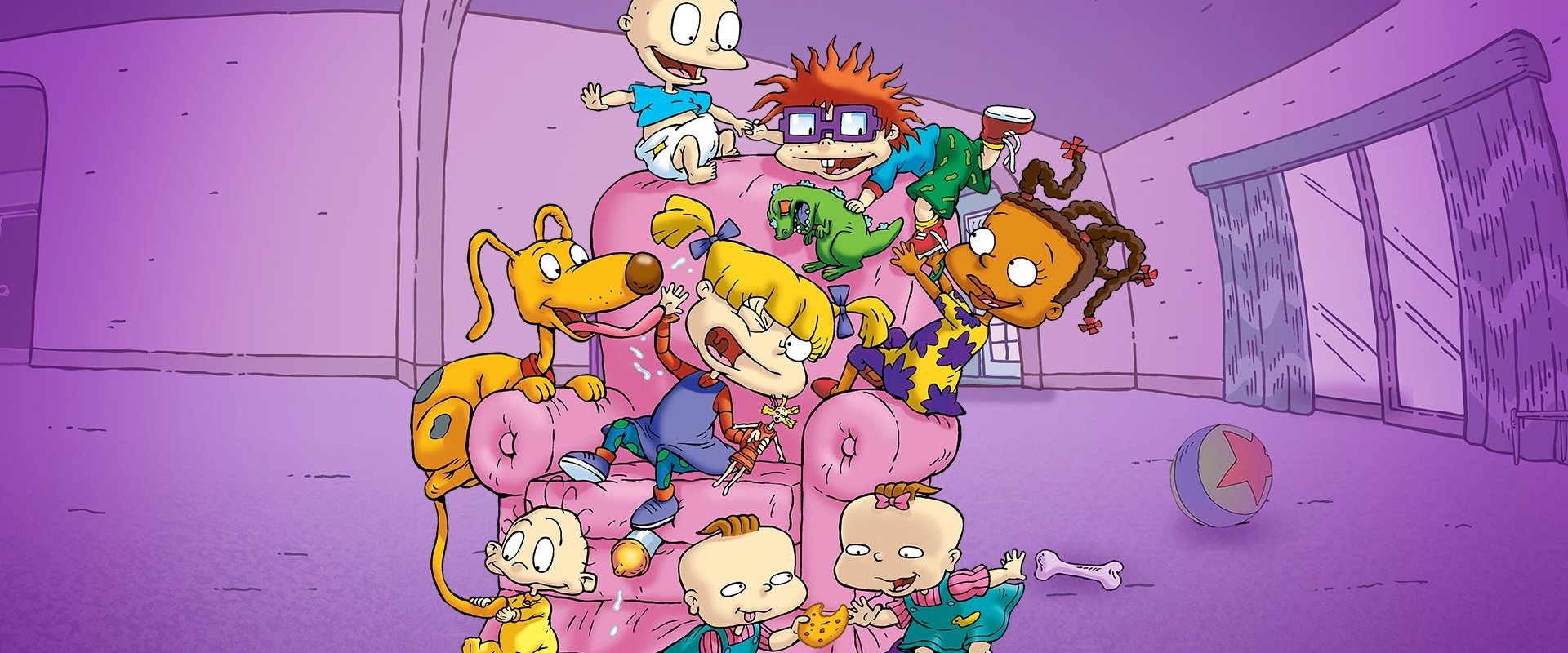
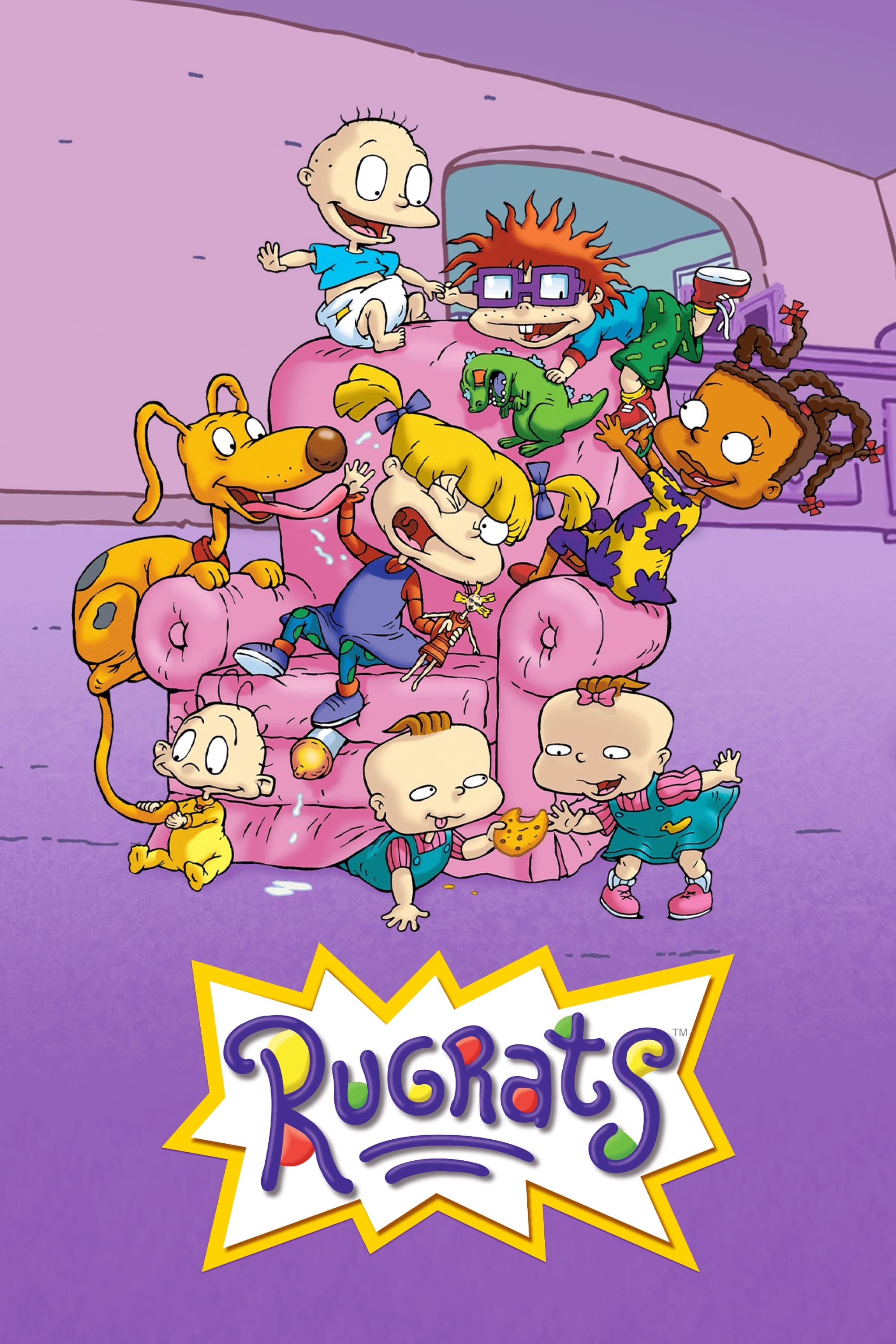
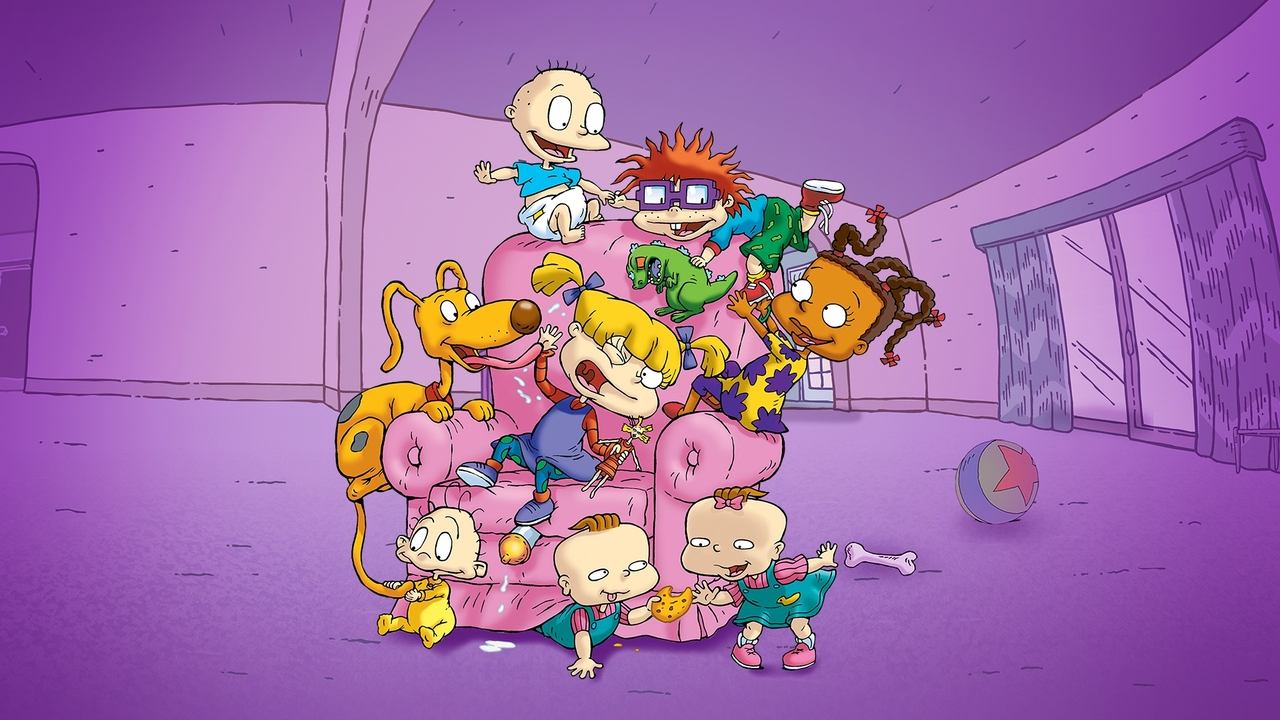
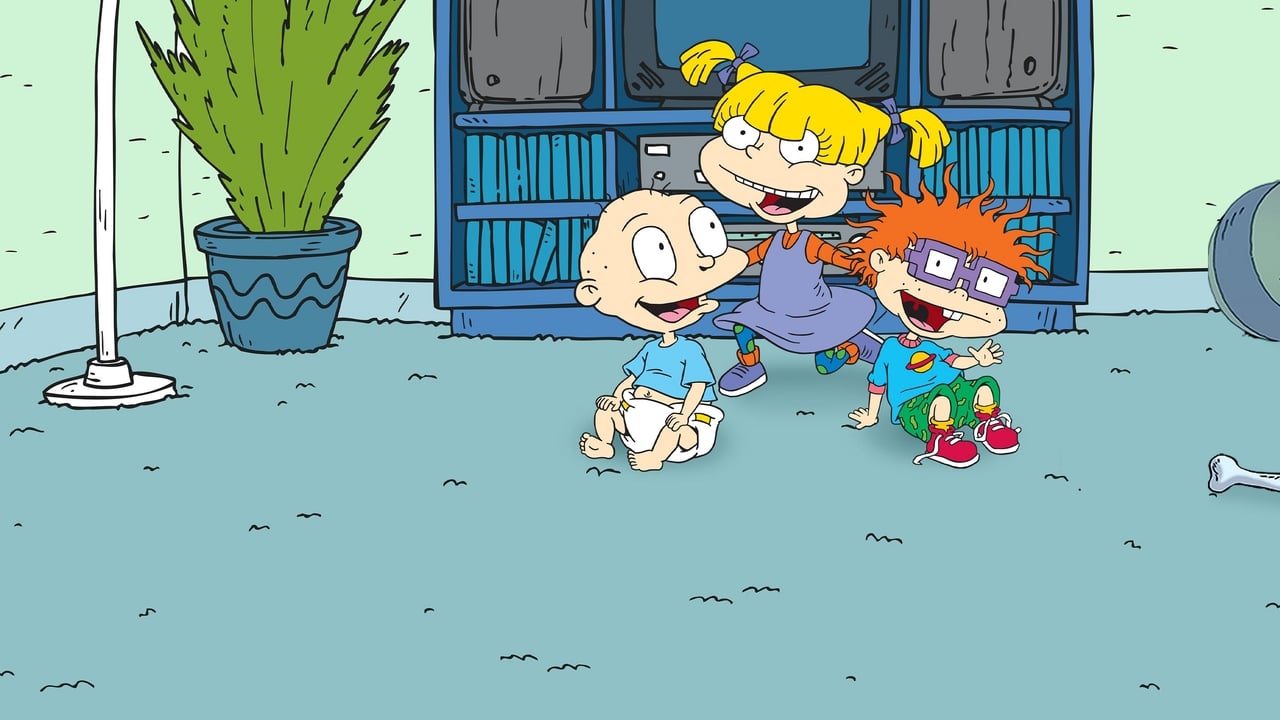
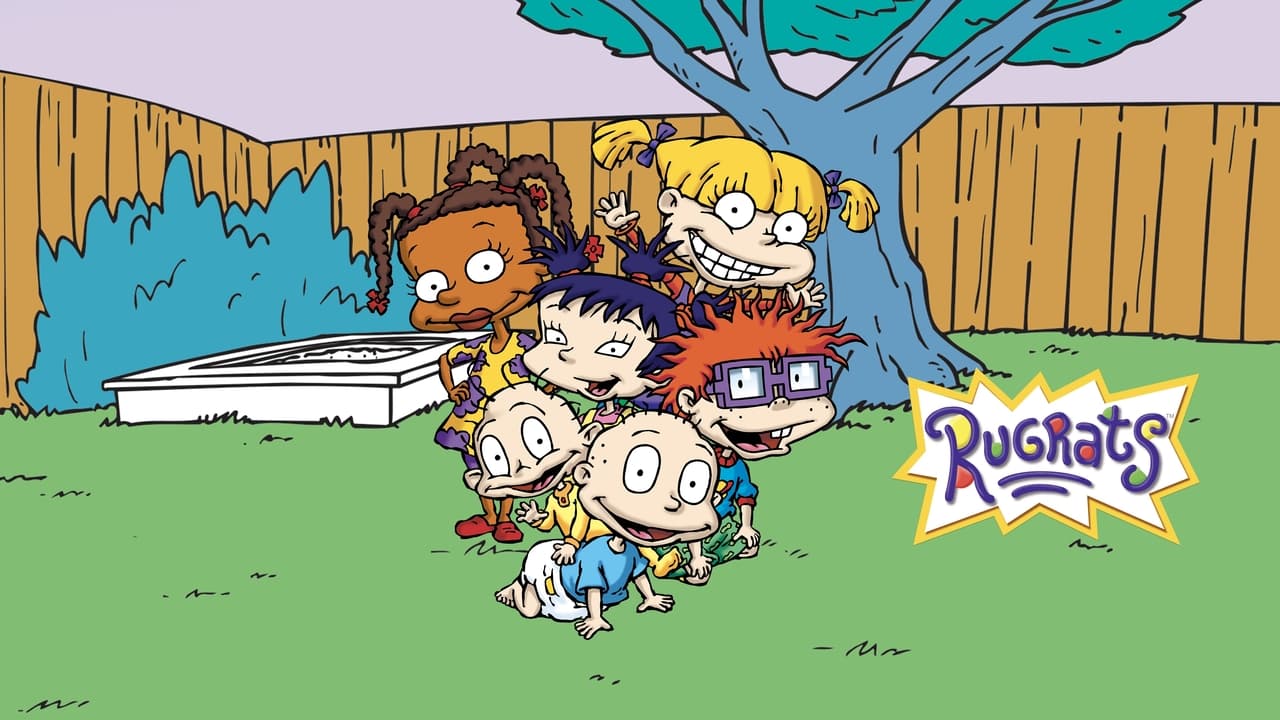
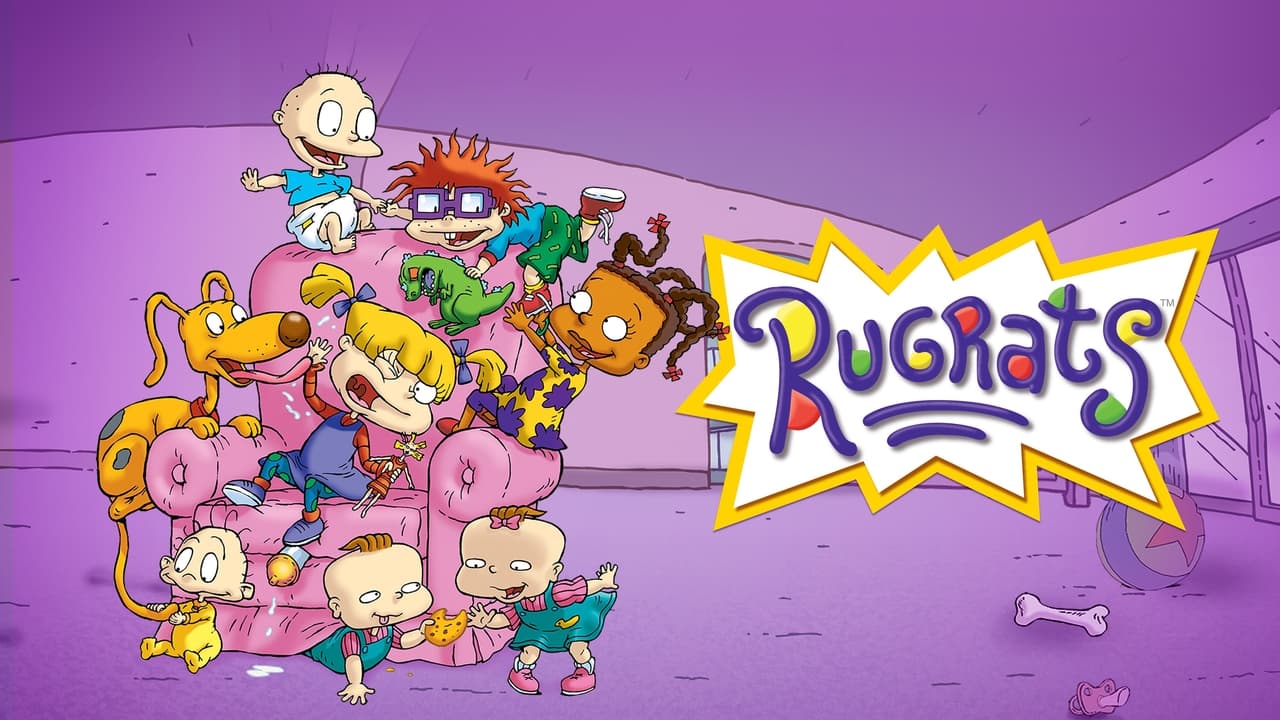
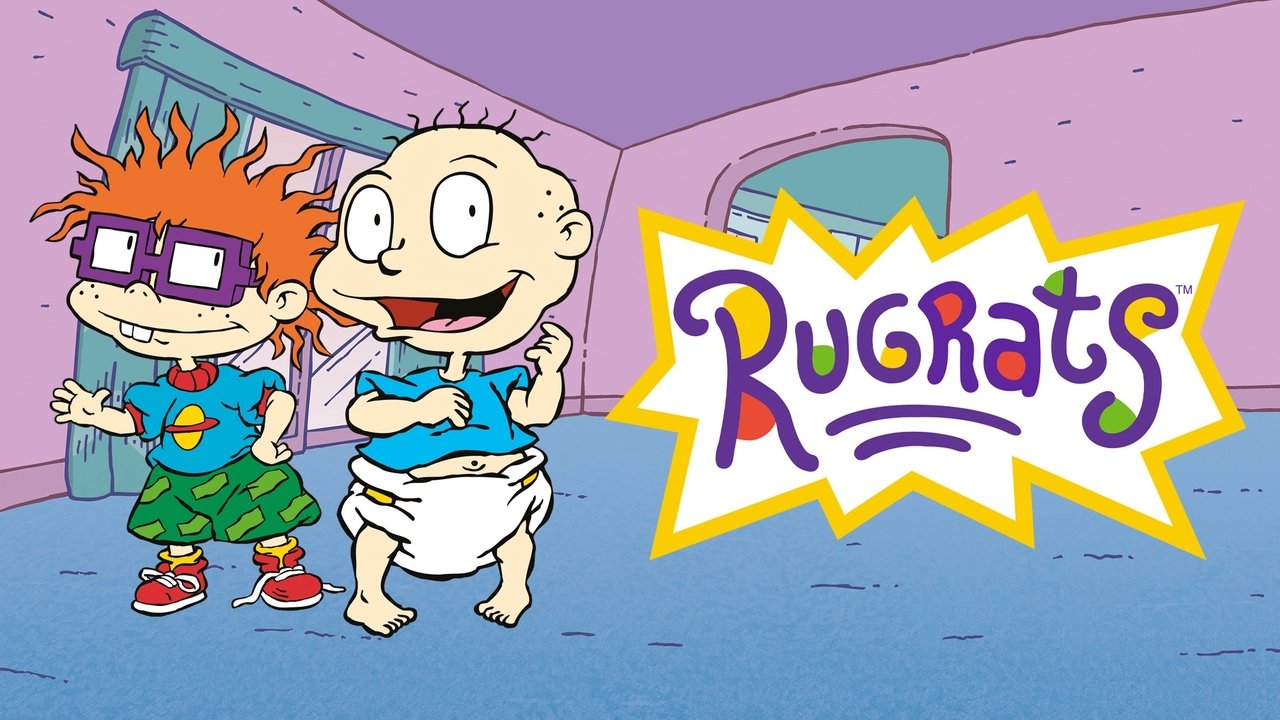
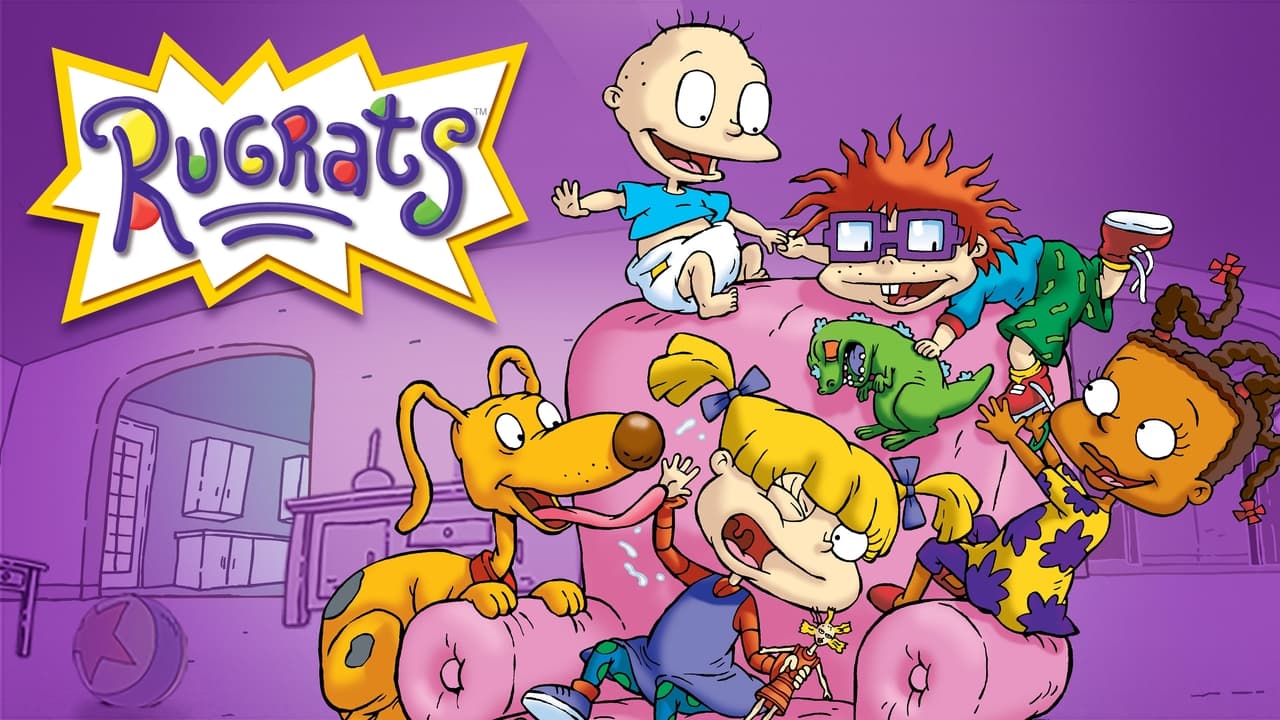
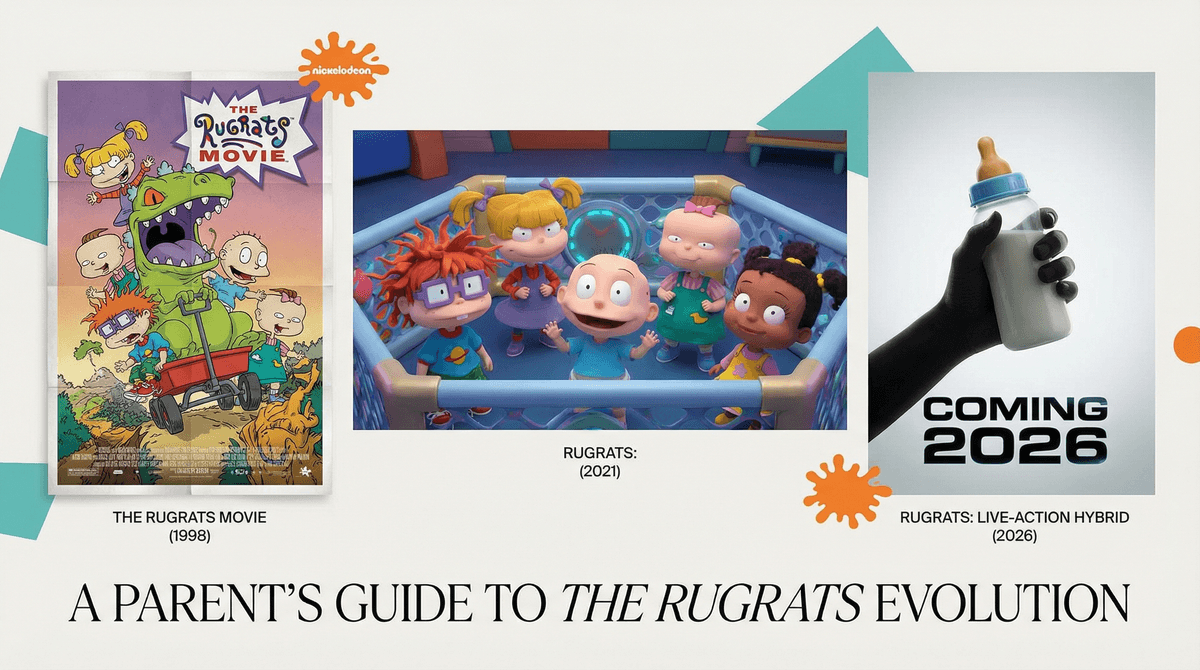
If your kid is used to the glowing, rounded edges of Cocomelon or the high-definition polish of modern Disney, the first five minutes of Rugrats might be a shock. The animation style is intentionally grotesque—think lumpy heads, stray hairs, and a color palette that feels like a dusty basement. It’s a far cry from the sleek 2021 3D reboot.
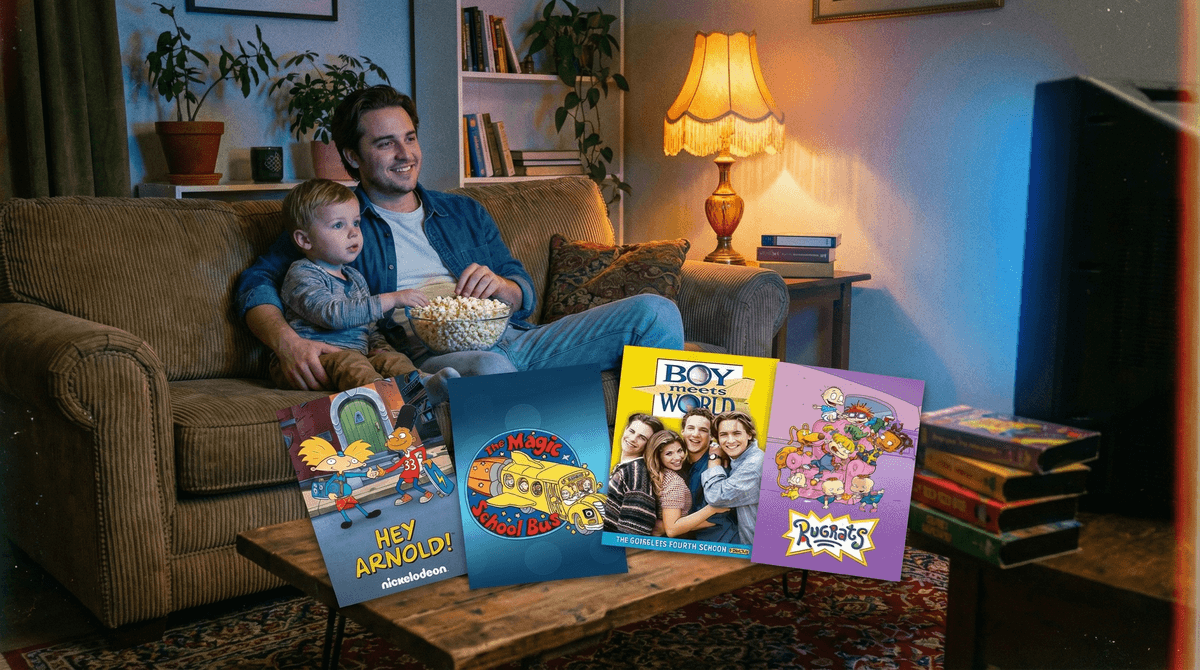
But there’s a reason this look worked. The show is shot from a "worm’s-eye view," keeping the camera at the height of a crawling toddler. This makes the world feel massive and slightly threatening, which perfectly matches the show's core conceit: to a baby, a vacuum cleaner is a literal monster. If you’re trying to decide if it’s worth the watch, check out our guide on 90s TV worth rewatching with your kids to see how it stacks up against other relics from that era.
A rare win for representation
One area where Rugrats still punches above its weight is its depiction of family life. In the early 90s, it was one of the few mainstream cartoons to explicitly feature a Jewish family. The Hanukkah and Passover episodes aren't just "holiday specials"—they are core parts of the show's identity that treat the traditions with genuine care and humor.
If you are looking for Jewish TV shows that offer more than just a token mention of heritage, this is one of the few vintage options that actually delivers. It portrays a multi-generational household where the grandfather’s stories are just as important as the babies' adventures, giving it a grounded, soulful feeling that most modern "noise" shows lack.
The Angelica factor
Let’s talk about the friction point: Angelica Pickles. She isn't just a "mean girl" in training; she is a master manipulator who thrives on the fact that the adults are completely clueless. While Tommy and Chuckie model loyalty and bravery, Angelica models gaslighting.
For a four-year-old who is still learning the difference between "pretend" and "lying," Angelica can be a confusing influence. She rarely faces meaningful consequences from the adults, which might leave you doing a lot of heavy lifting during the end credits to explain why her behavior isn't actually "cool." If your kid is prone to mimicking the "bossy" character, you might want to pre-screen a few episodes or stick to the later seasons where her edges are slightly softened.
Where to find it
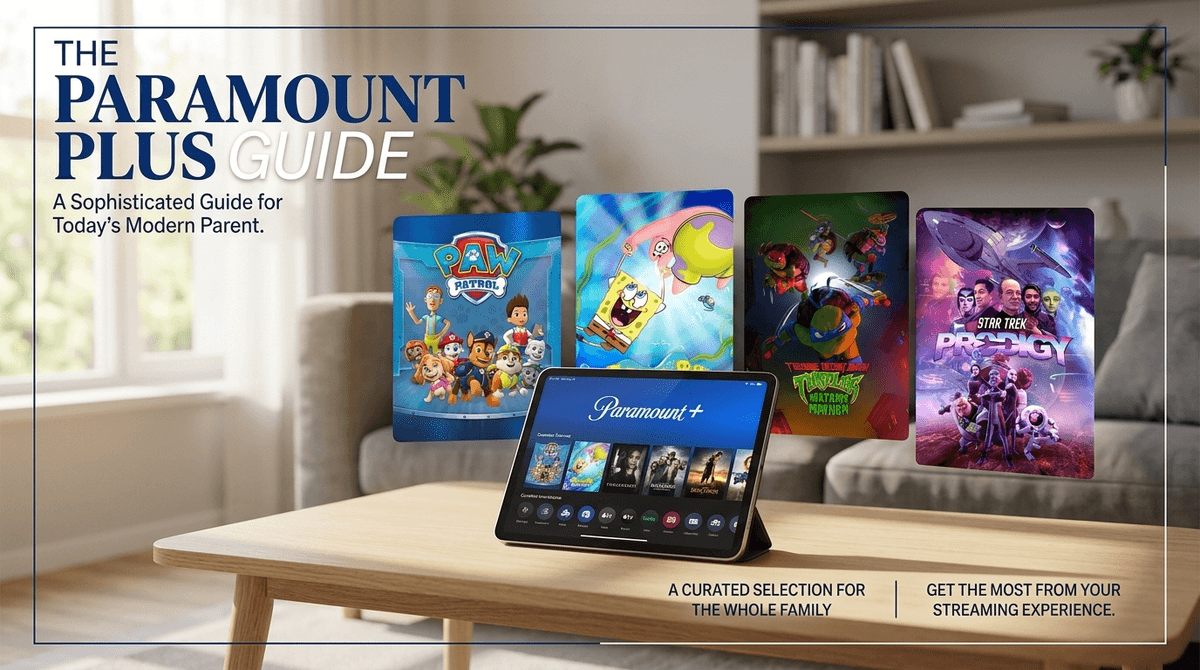
Since the show is a cornerstone of the Nickelodeon library, you’ll find the bulk of it on Paramount+. If you’re already paying for the "Mountain of Entertainment," it’s an easy add to the queue. Navigating that specific app can be a bit of a headache with its frequent UI changes, so it’s worth checking our Paramount Plus parent guide to make sure your kids' profiles are locked down before you let them loose on the 170-plus episodes available.
If they liked Bluey, will they like this?
Maybe, but for different reasons. Bluey is about how parents and children play together. Rugrats is about the secret world kids inhabit when the parents aren't looking. In Rugrats, the adults are mostly background noise or the source of the "problem" the babies have to solve. It’s a more cynical, chaotic brand of humor.
If your kid enjoys the high-stakes imagination of Bluey’s "Keepy Uppy," they will recognize that same spirit here. Just be prepared for a much louder, sweatier, and more frantic execution. It’s not a "wind-down" show; it’s a "get-hyped-and-maybe-climb-the-bookshelf" show.