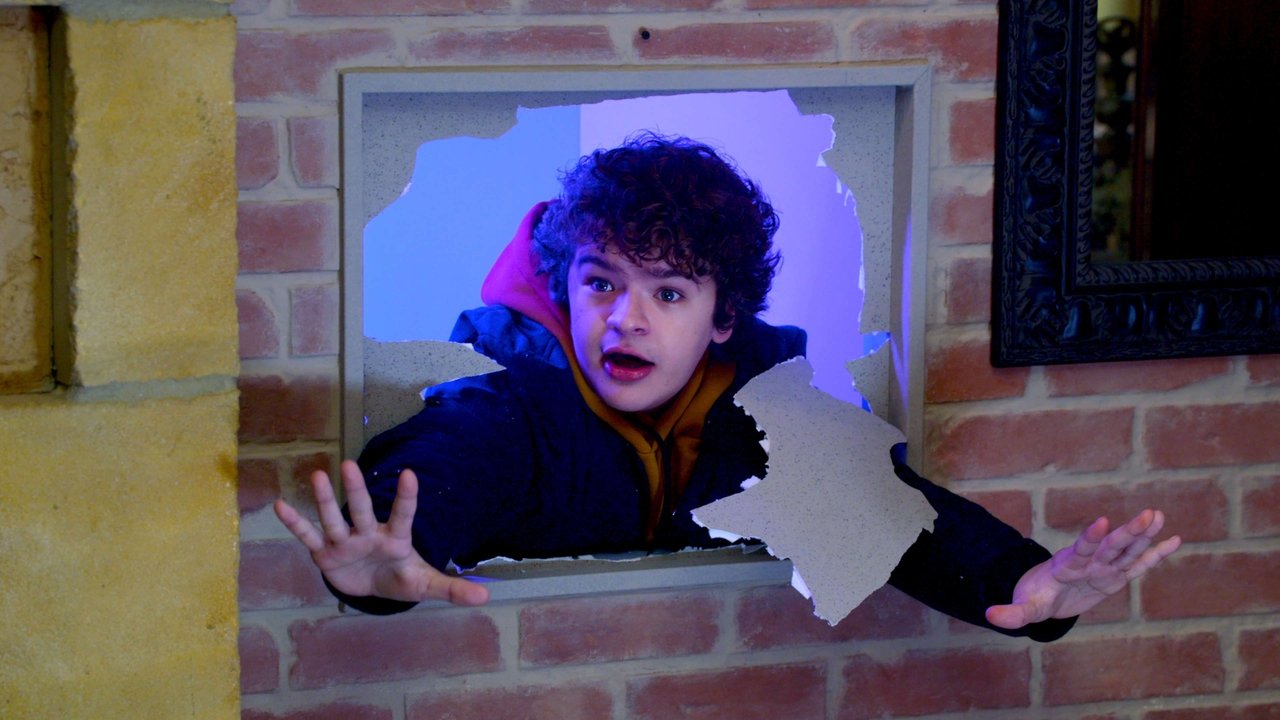
The Ethics of the Scare
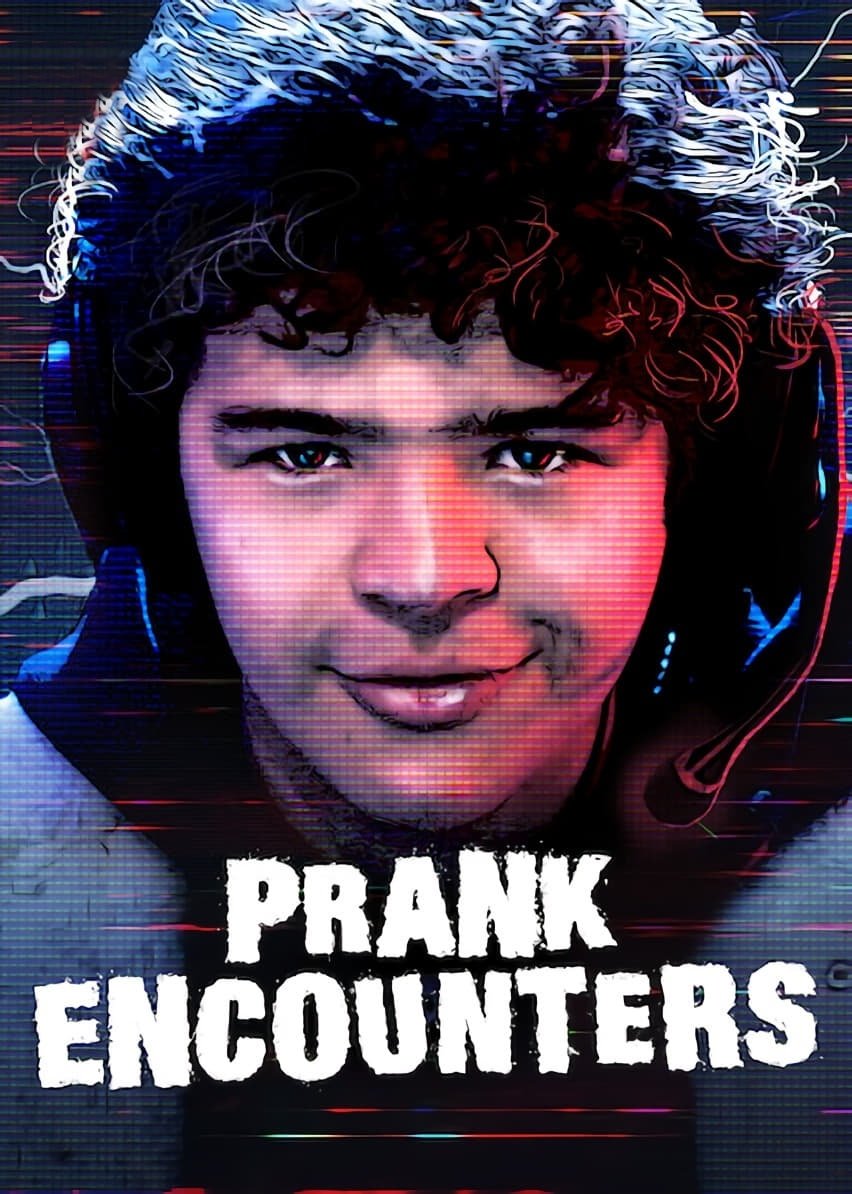
The 5.3 IMDb score is the first thing you should notice. In the world of streaming, that’s usually shorthand for forgettable. Prank Encounters occupies a strange space in the Netflix catalog because it tries to bridge the gap between a high-budget creature feature and a hidden-camera comedy. It doesn't always nail the landing on either, mostly because of the specific way it targets its "victims."
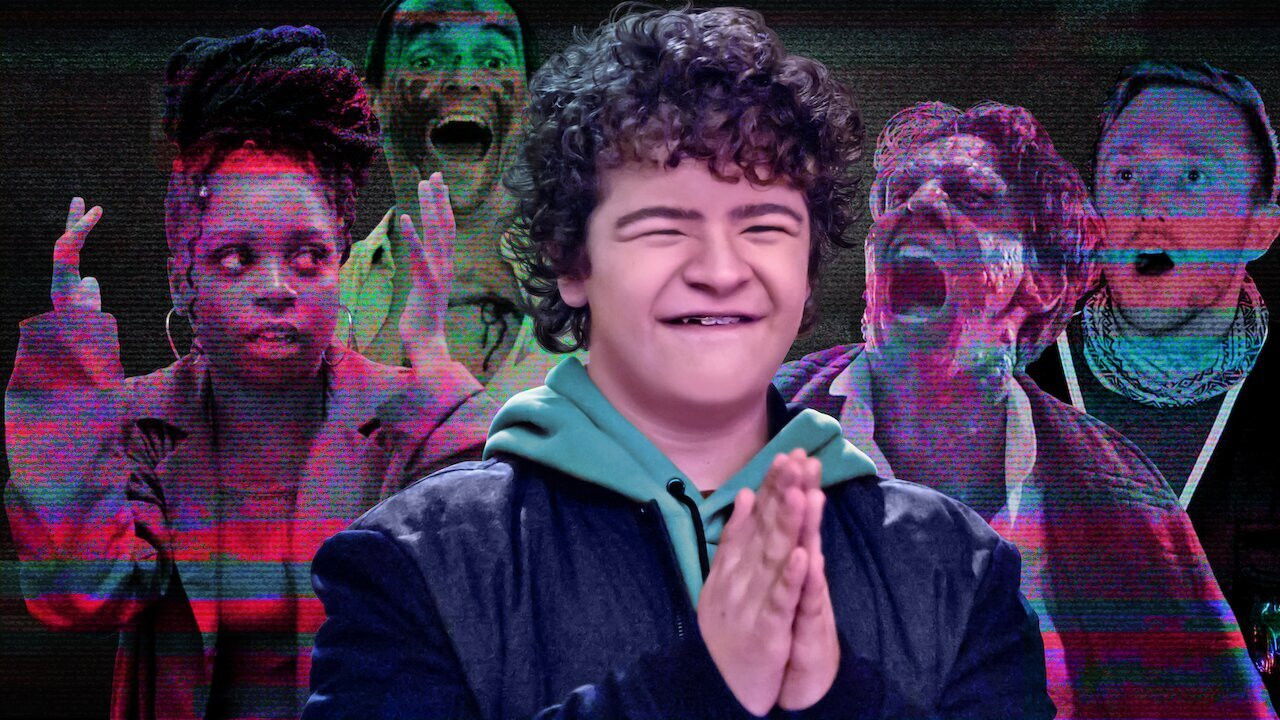
The central friction here is the setup. Most prank shows involve someone being slightly inconvenienced or embarrassed in public. This show ups the ante by putting people into scenarios that look like a genuine slasher flick. Because the participants often believe they are starting a new job, the stakes feel uncomfortably high. We aren't just watching someone get spooked; we’re watching someone who thinks their professional reputation (and their life) is on the line. For some viewers, that’s where the fun stops and the cringe begins.
High-Budget Horror
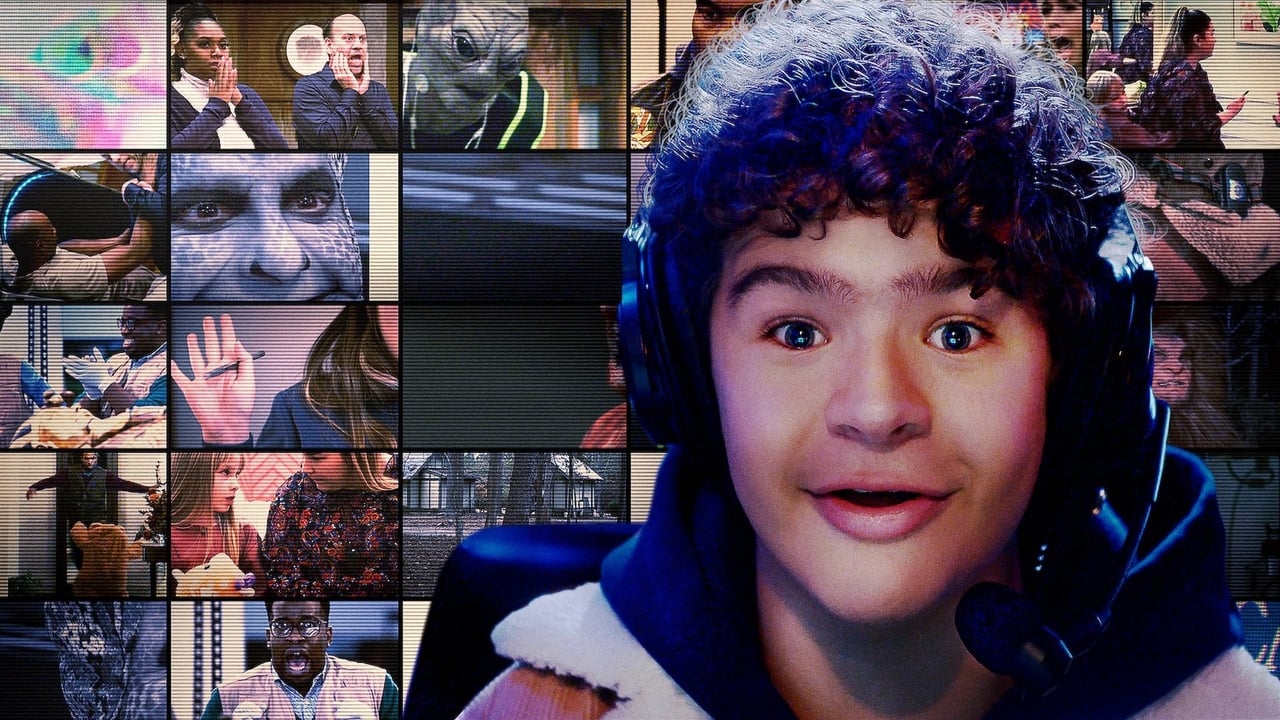
If your teen is obsessed with the "scary prank" genre on YouTube, they will likely see this as the gold standard of production. It’s much more polished than the low-rent jump-scare videos that clutter social feeds. The synopsis calls it a "full-blown horror movie," and the show leans hard into that promise. The monsters and practical effects are surprisingly legit, far exceeding what you’d see on a typical cable prank show.
The show works best when it leans into the absurdity of the horror tropes. When the creature design is over-the-top, it feels more like a haunted house attraction and less like a psychological experiment. If your kid liked the campy energy of 80s horror, they’ll appreciate the effort put into the animatronics and gore effects.
The Boredom Threshold
Despite the high-octane premise, the low critic and audience scores on Rotten Tomatoes suggest a certain level of viewer fatigue. There is a specific kind of exhaustion that comes from watching a stranger have a genuine panic attack for the sake of a reveal. Once you’ve seen two or three episodes, the formula becomes incredibly transparent.
This isn't a show to binge-watch for the plot or the character development. It’s designed for a group of teenagers to sit around, yell at the screen, and debate whether they would have fallen for the trap. It functions as background noise—something to have on while scrolling through TikTok or hanging out with friends. If they’ve already cycled through the big-name horror franchises and need something that feels immediate and low-stakes for the viewer, this fits the bill. Just don't expect it to be a household favorite a week later.