The Quiet Power of Early Literacy
When we talk about the 'Reading Rope'—that framework where literacy is built through both decoding and language comprehension—Prairie School hits both strands perfectly. It’s part of the iconic I Can Read series, specifically Level 2, which means it uses high-frequency words and short sentences. But because it's written by Avi, one of the most respected names in children's literature, the prose doesn't feel robotic.
History Without the Lecture
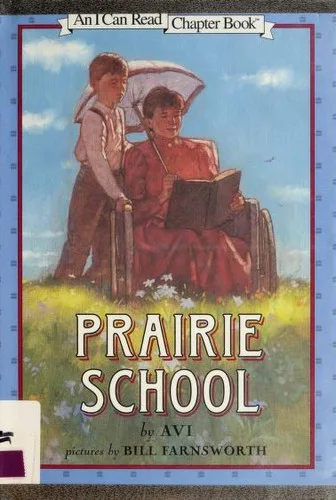
The setting is the Colorado prairie in 1880. For a modern kid, the idea of a 'school' being just your aunt, a book, and a wide-open field is a fascinating concept. The book handles the reality of the era well—Noah is a 'prairie boy' who thinks he only needs to know about horses and land. Aunt Dora, who uses a wheelchair, is the one who opens his eyes to the fact that reading is a form of freedom.
Representation Matters
It's worth noting how Aunt Dora is portrayed. She isn't a character to be pitied; she is the teacher. The physical challenge of Noah pushing her wheelchair through the tall grass is a central image of the book, representing the effort they both put into his education. It’s a great way to introduce disability to younger kids in a way that is grounded in character and action rather than 'the lesson.'
If your kid is used to the high-stimulus world of modern media, this might take a few pages to settle into. But for a bedtime read or a quiet afternoon practice session, it's a solid, intentional choice that respects a child's intelligence.