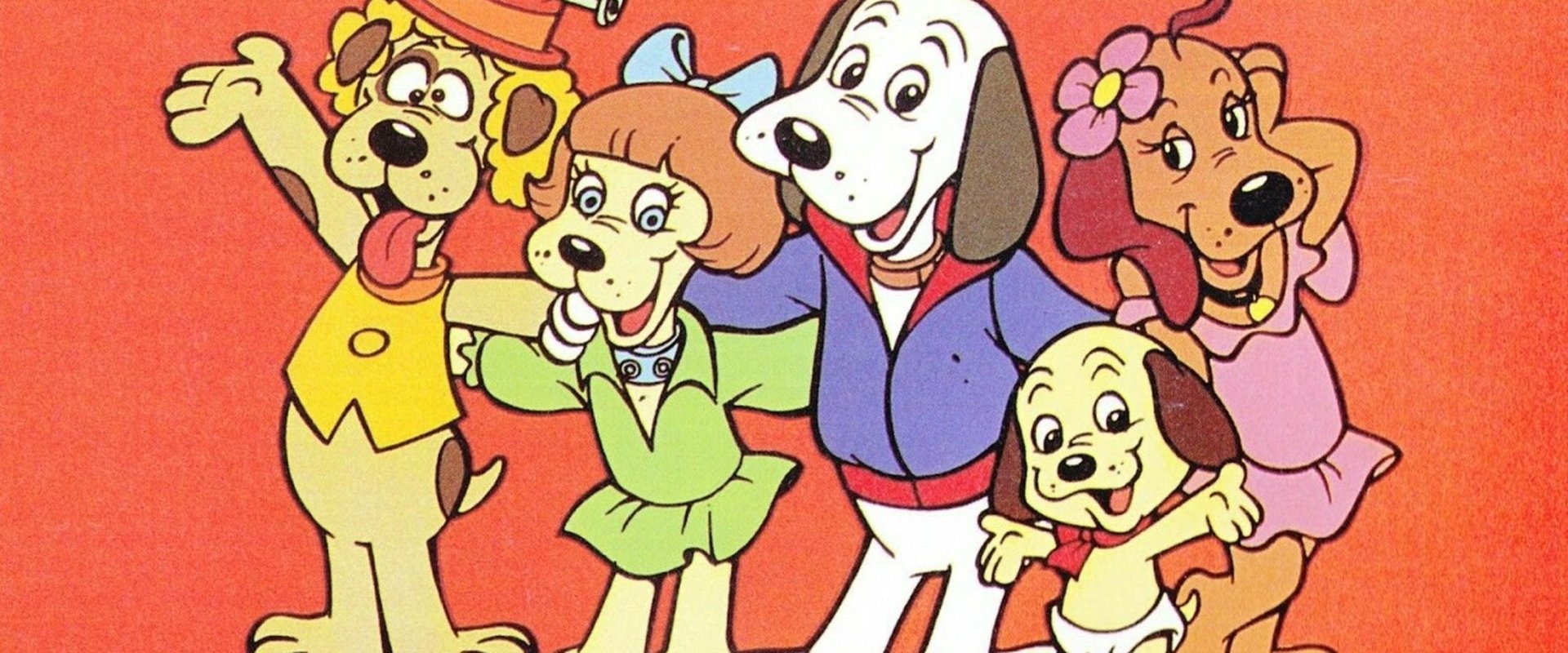
If you grew up in the mid-80s, you probably remember the plush toys more than the actual plot of this show. Pound Puppies was part of that specific wave of Saturday morning cartoons designed primarily to move inventory off the shelves of a Toys "R" Us. But looking at it through a 2026 lens, there is a weird, clandestine charm to the setup that modern shows like Paw Patrol have largely traded for high-tech gadgets and public government contracts.
The Secret Society Vibe
The core hook here isn't just "dogs are cute." It’s "dogs have a massive, underground intelligence network." The Pound Puppies operate out of Shelter 17, using a series of hidden tunnels and secret communication channels to find "people" for lonely dogs. It plays like a spy thriller for the kindergarten set.
While modern hits like Bluey focus on the emotional interior of family life, Pound Puppies is all about the mission. There is a certain grit to the 1980s urban setting—lots of chain-link fences, dark alleys, and shadows—that gives it more atmosphere than the bright, sterilized suburbs of contemporary preschool TV. If your kid is into the idea of secret clubs or "hidden worlds" right under the noses of adults, this might actually click.
The Katrina Stoneheart Factor
Every 80s cartoon needed a villain who was essentially a sociopath, and Katrina Stoneheart fits the bill. Unlike modern villains who usually have a "misunderstood" backstory or a lesson to learn, Katrina is just mean. She hates puppies and wants to turn the pound into a chateau (or worse).
For some kids, she might be a bit much. She’s a classic Cruella de Vil archetype, but without the fashion sense. The friction in the show usually comes from the pups trying to outsmart her and her daughter, Brattina. It’s a very binary "good vs. evil" setup. If your child is sensitive to animals being in "peril"—even the low-stakes, cartoonish kind—you might want to stick to the first couple of episodes to see how they handle her brand of cruelty.
Why the 2010 Reboot Usually Wins
If you find your kid drifting away after ten minutes, it’s likely the pacing. Television in 1986 moved at a different speed. The frames-per-second count is low, the backgrounds are static, and the dialogue can be repetitive.
If they like the concept of a dog-run adoption agency but find this version boring, the 2010 reboot is the superior choice for a few reasons:
- The writing is significantly sharper and appeals to adults too.
- The animation is fluid and expressive rather than stiff.
- The "mission" mechanics feel more like a heist movie than a slow-moving soap opera.
How to Watch It Now
This is "background noise" television. It’s perfect for a rainy afternoon when your kid wants to look at dogs but you don’t want to commit to a feature-length film. Because the episodes are self-contained and the stakes are reset every week, you don’t need to watch them in order.
If you’re trying to teach the concept of adoption, this is a solid jumping-off point. It frames the "pound" not as a scary place, but as a transitional home where heroes live. Just be prepared for the inevitable question: "Can we go to the shelter today?" If you aren't ready for a real-life dog, maybe stick to the official merchandise instead.