The genius of the white void
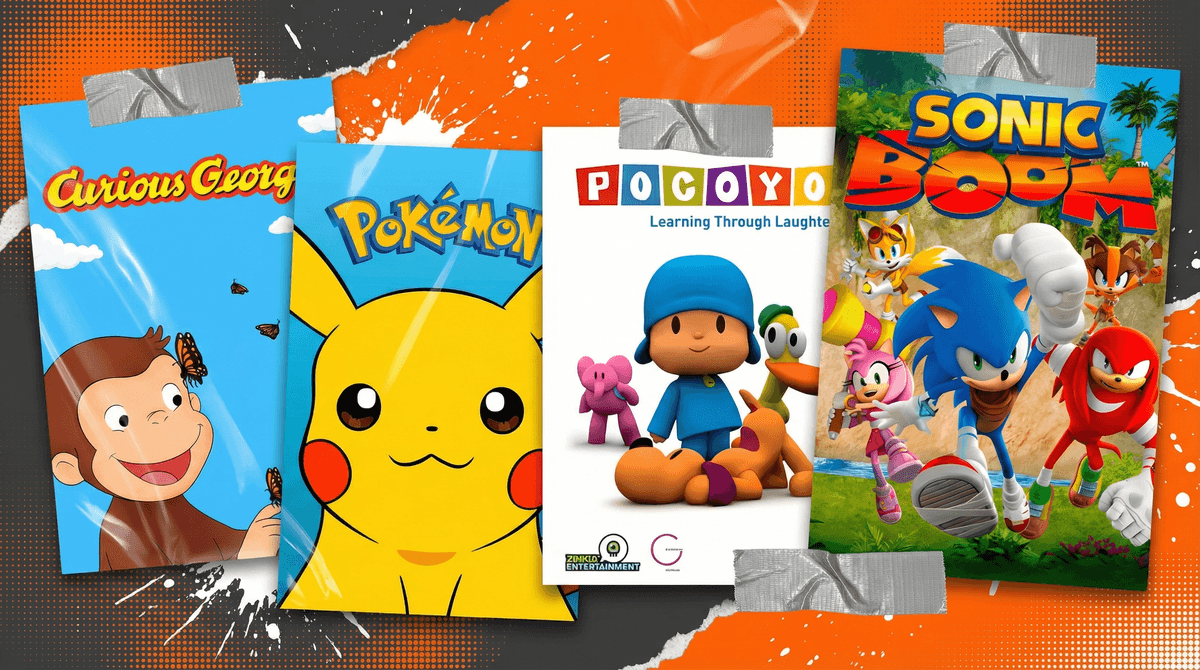
Most toddler programming looks like a neon sign having a seizure. Between the flashing backgrounds and the frantic "look at me" energy, it’s a wonder kids don't just vibrate off the sofa. Pocoyo takes the opposite approach by leaning into a literal white void. By stripping away everything except the characters and a few essential props, the show forces a toddler’s focus onto body language and social cues.
It’s an intentional design choice that makes the show feel more like a digital puppet theater than a cartoon. When Elly the pink elephant or Pato the yellow duck enters the frame, their movements carry the weight of the story. For a two-year-old who is still figuring out how to read a room, this lack of visual clutter is a massive relief. If you’re looking for calmer alternatives to Lucas the Spider for anxious toddlers, this minimalist aesthetic is exactly why Pocoyo should be at the top of your list.
Pocoyo isn't a "perfect" kid
One of the more refreshing things about the show is that Pocoyo himself can be kind of a brat. He gets frustrated when he loses a game. He gets possessive of his toys. He occasionally ignores his friends. In a genre where characters are often saccharine-sweet to the point of being unrecognizable as human, Pocoyo feels like a real toddler.
The show doesn’t punish him for these feelings; it just lets the natural consequences play out. When he’s selfish, Pato gets annoyed and walks away. When he’s too loud, Sleepy Bird wakes up grumpy. It’s a gentle way to model emotional intelligence without the heavy-handed "lesson of the day" vibe that makes older kids (and parents) roll their eyes. Critics on IMDb and TMDB have hovered around a 7 for years, which is a solid score for a show that doesn't try to be anything other than a mirror for its audience's own developmental stage.
A bridge to bilingual viewing
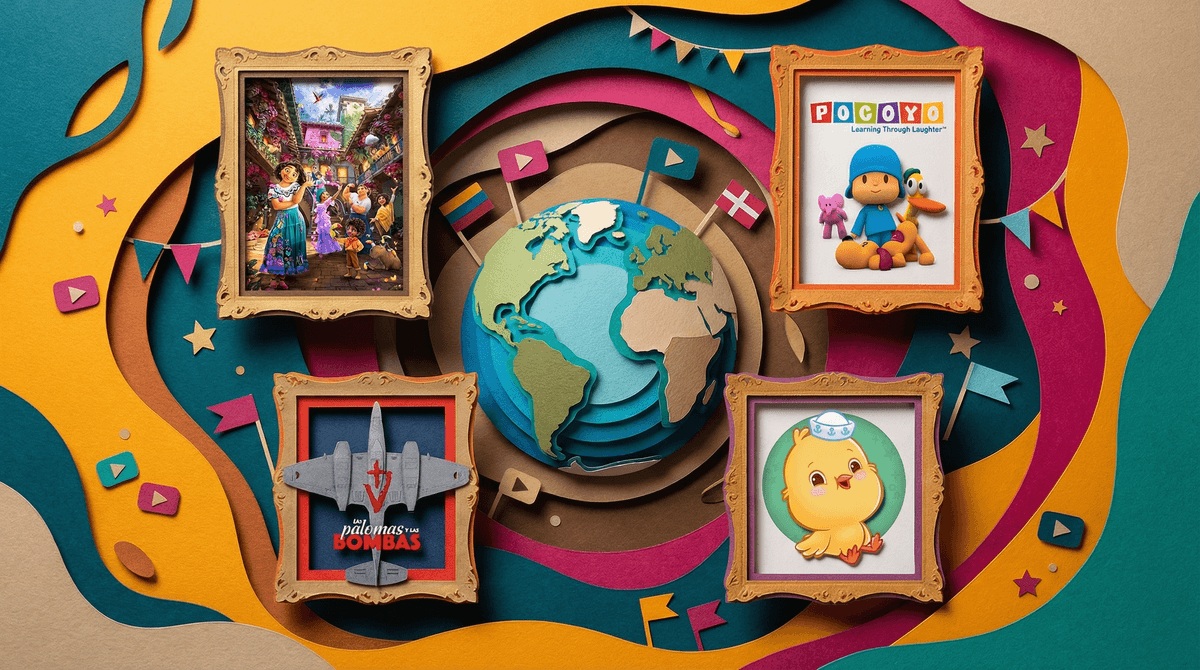
While many parents find Pocoyo on Netflix or as part of the best kids' TV shows on Hulu, it’s worth remembering its origins as a Spanish production. Because the dialogue is sparse and the actions are so clear, it is arguably the best "starter" show for families interested in bilingual and Spanish-language shows for kids.
You can flip the audio track to Spanish, and your child will still follow 90% of the plot because the physical comedy is so universal. It’s a low-stakes way to introduce new sounds without the frustration of a complex plot getting in the way.
Why the "slow" pacing works
If you’re used to the high-octane pacing of modern YouTube-style content, Pocoyo will feel like it’s moving through molasses. That’s a feature, not a bug. The narrator speaks directly to Pocoyo and the audience, giving kids time to process a question before the character reacts.
We see a lot of "interactive" shows that feel performative, but Pocoyo actually uses the silence. It treats the viewer like a participant in a slow-motion game of make-believe. It won't hold the attention of a first-grader, but for a kid who is just learning the difference between a duck and an elephant, that extra breathing room is exactly what their brain needs.